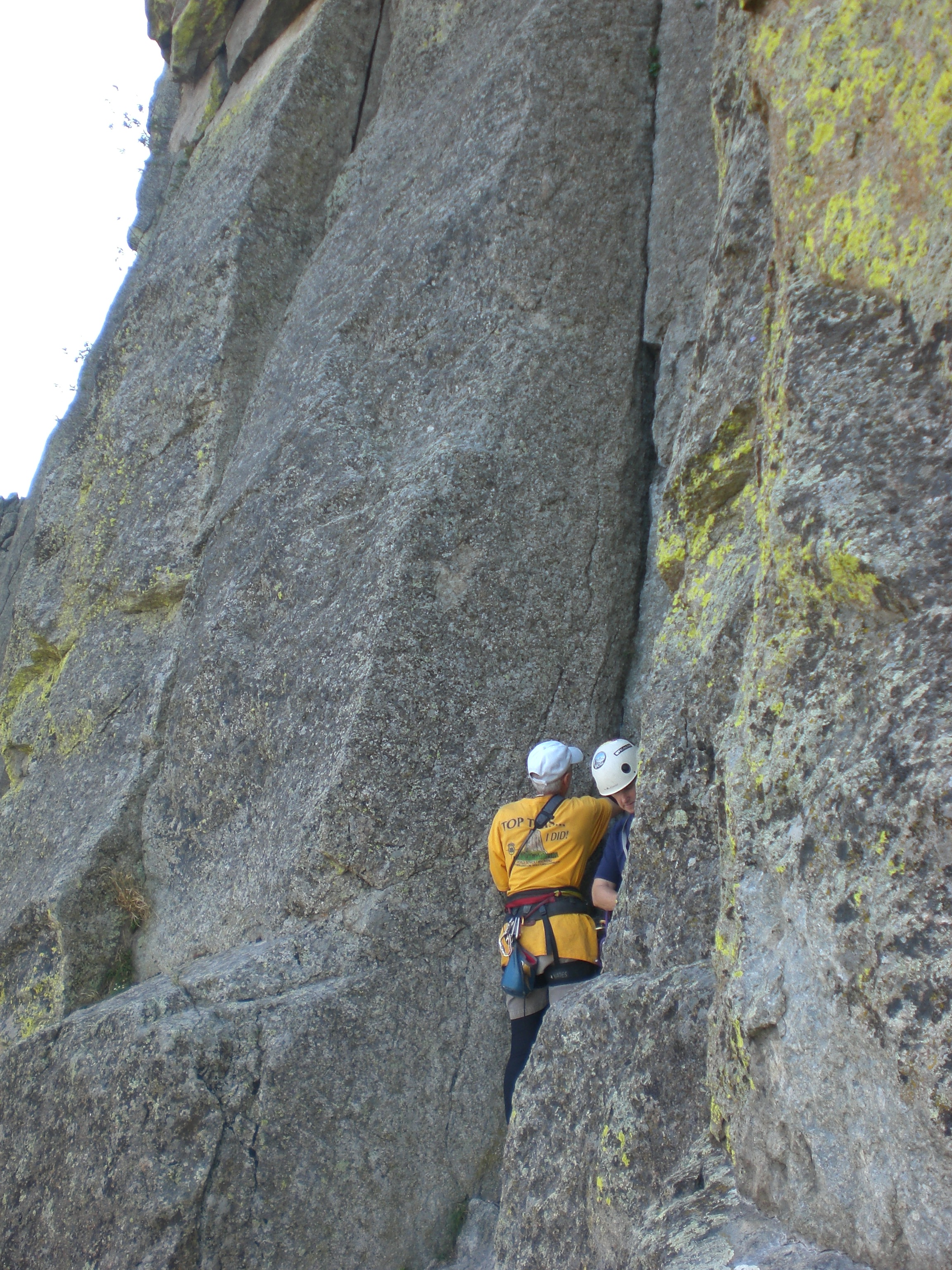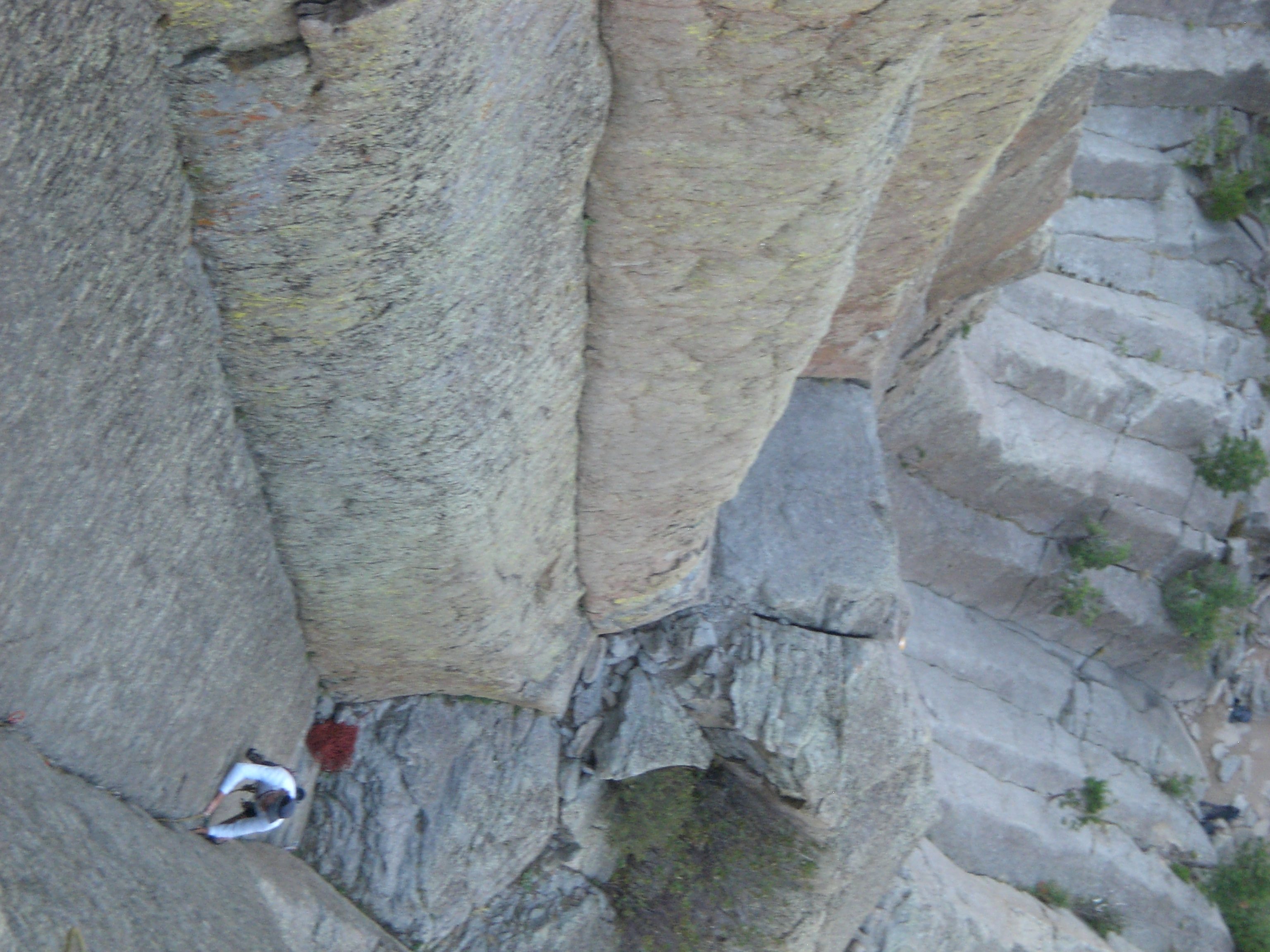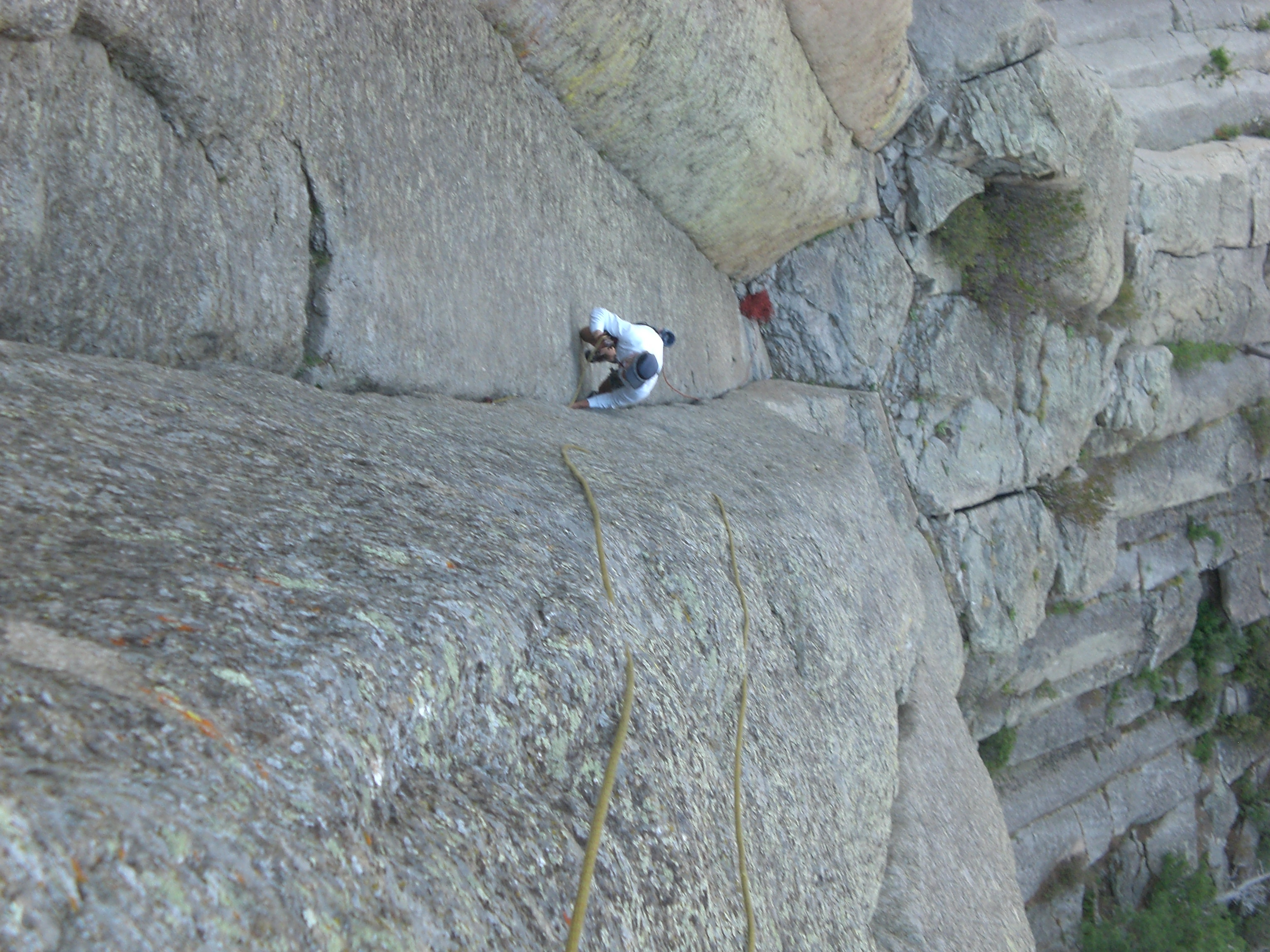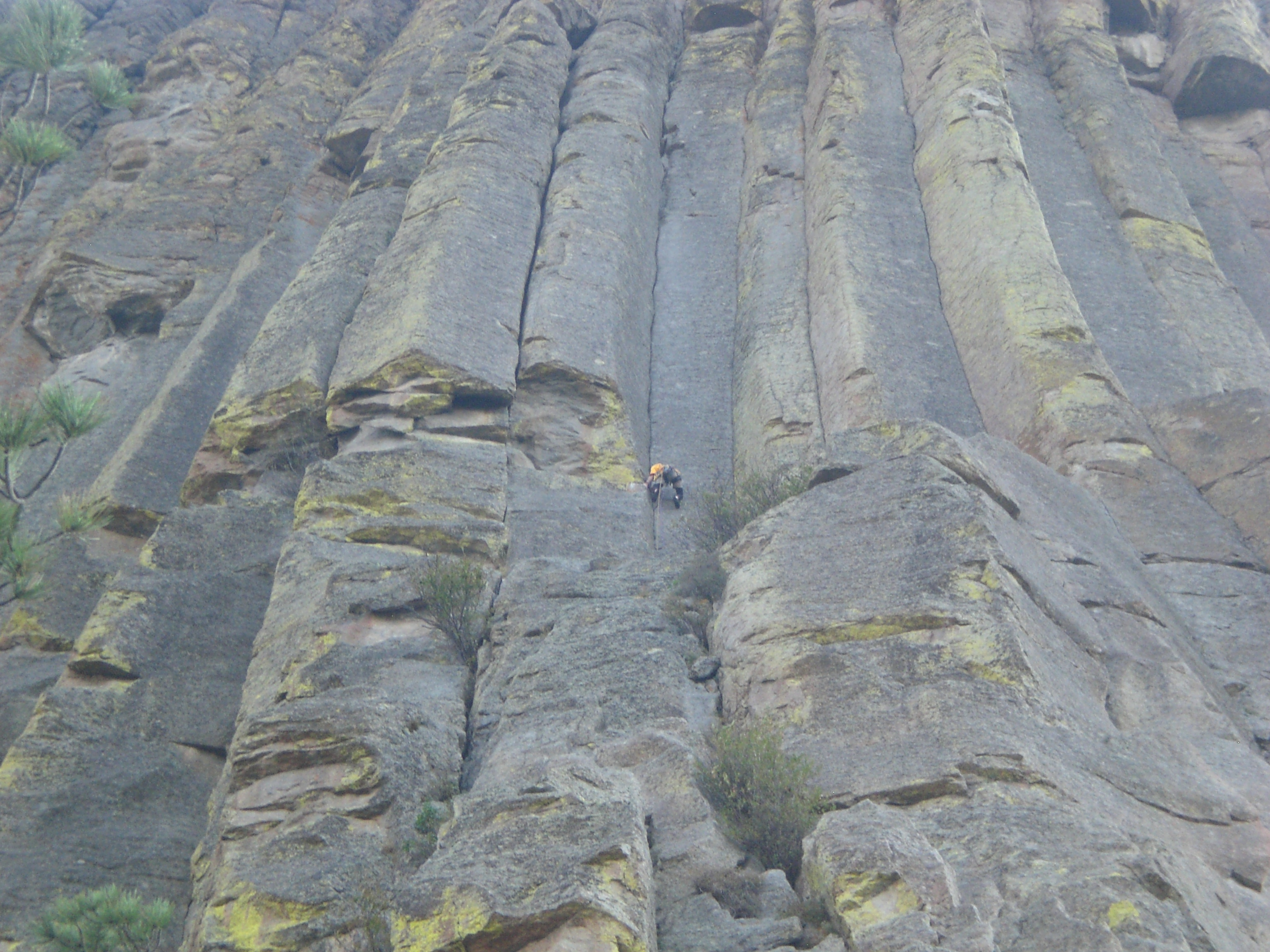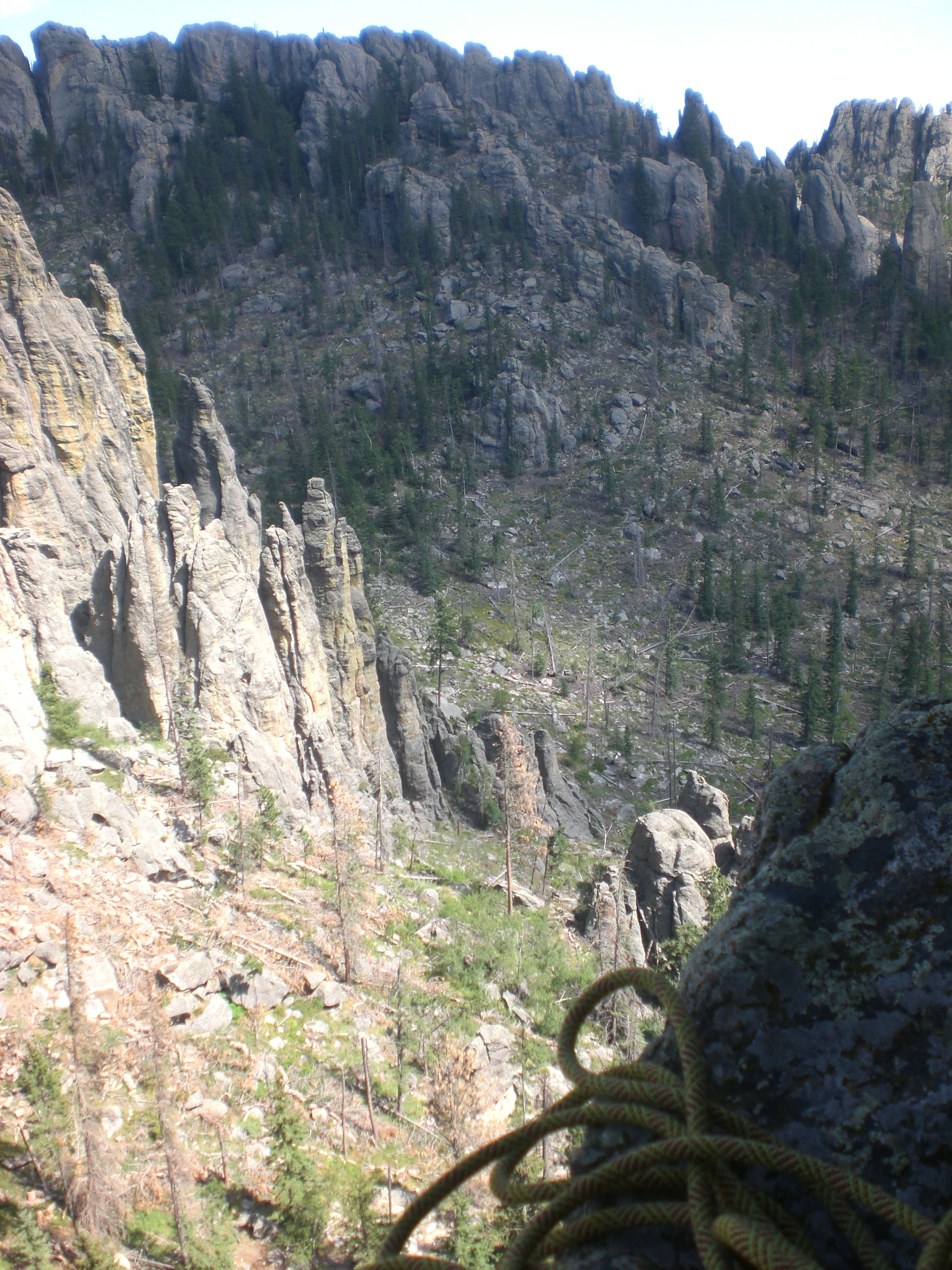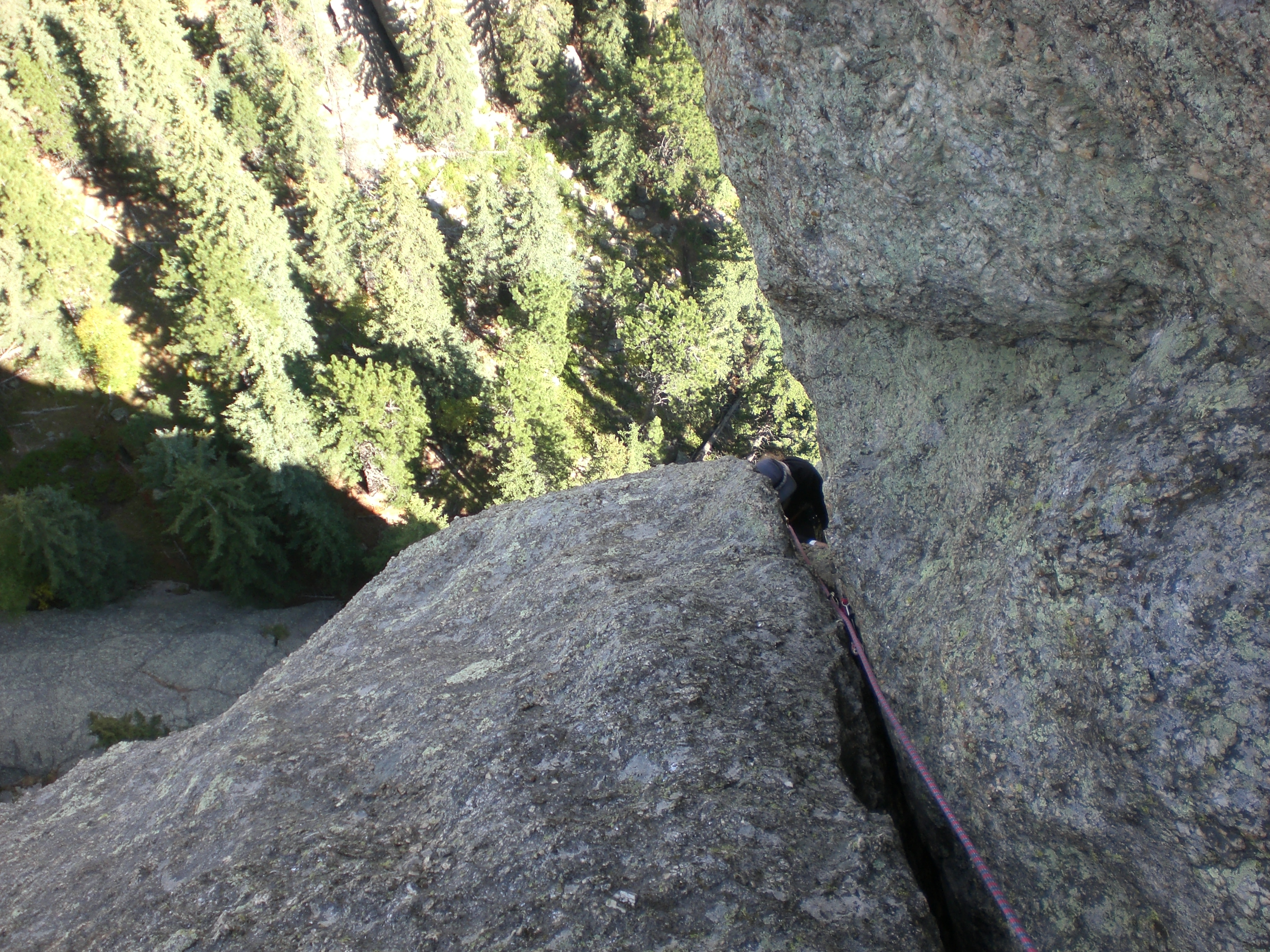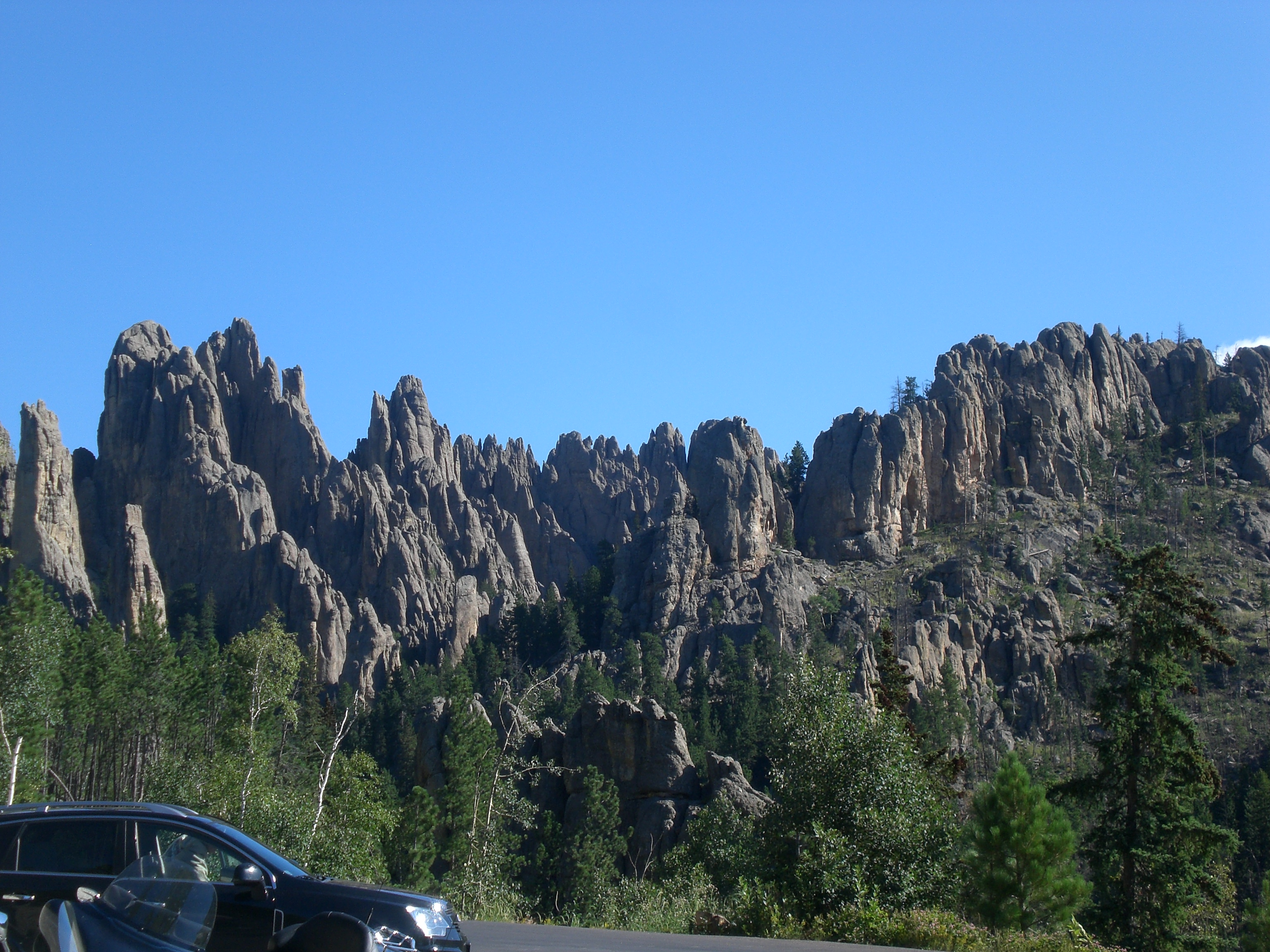
Obsession (the good, stinky kind)

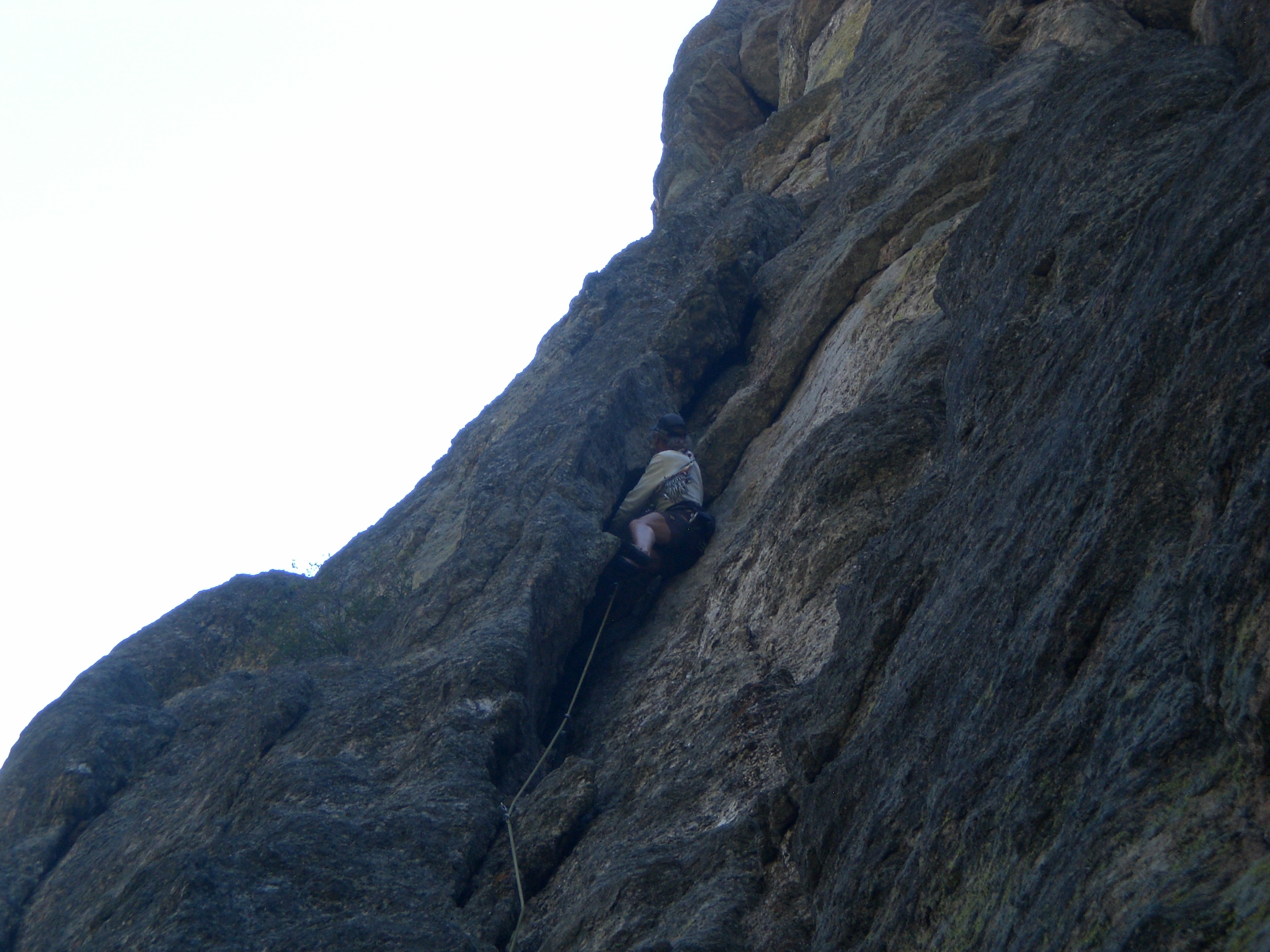
“This is not the best piece of gear,” he says.

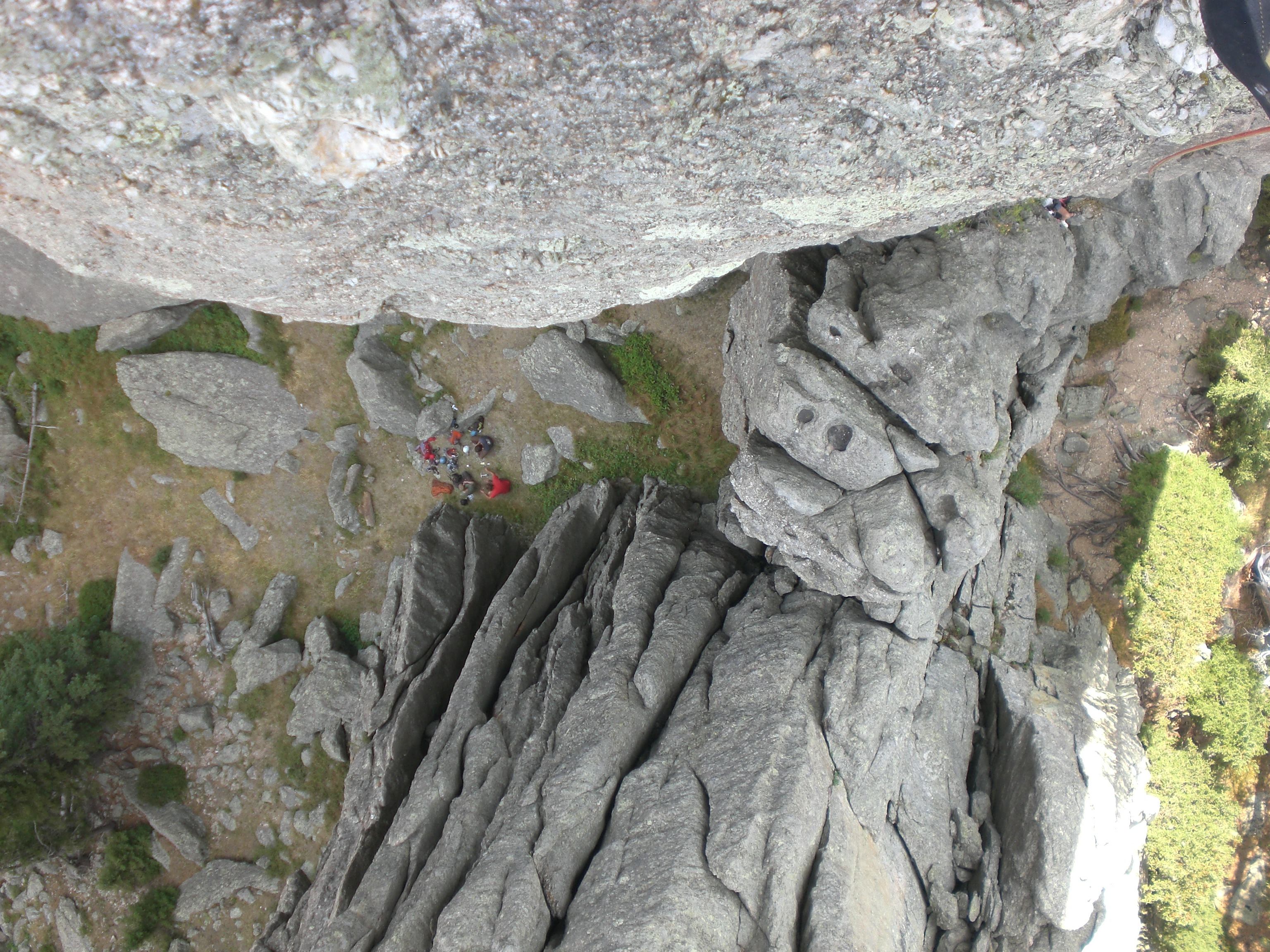
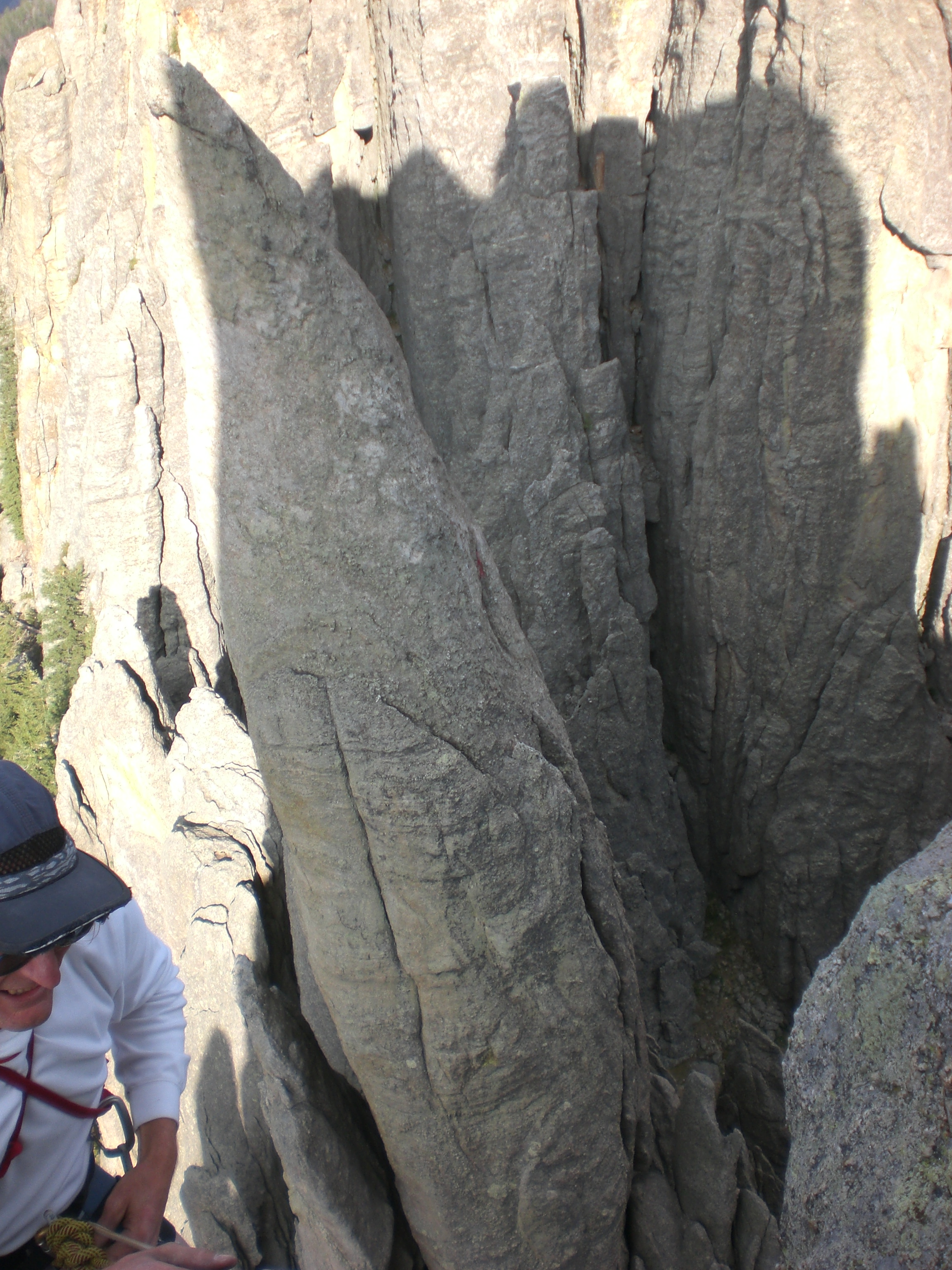
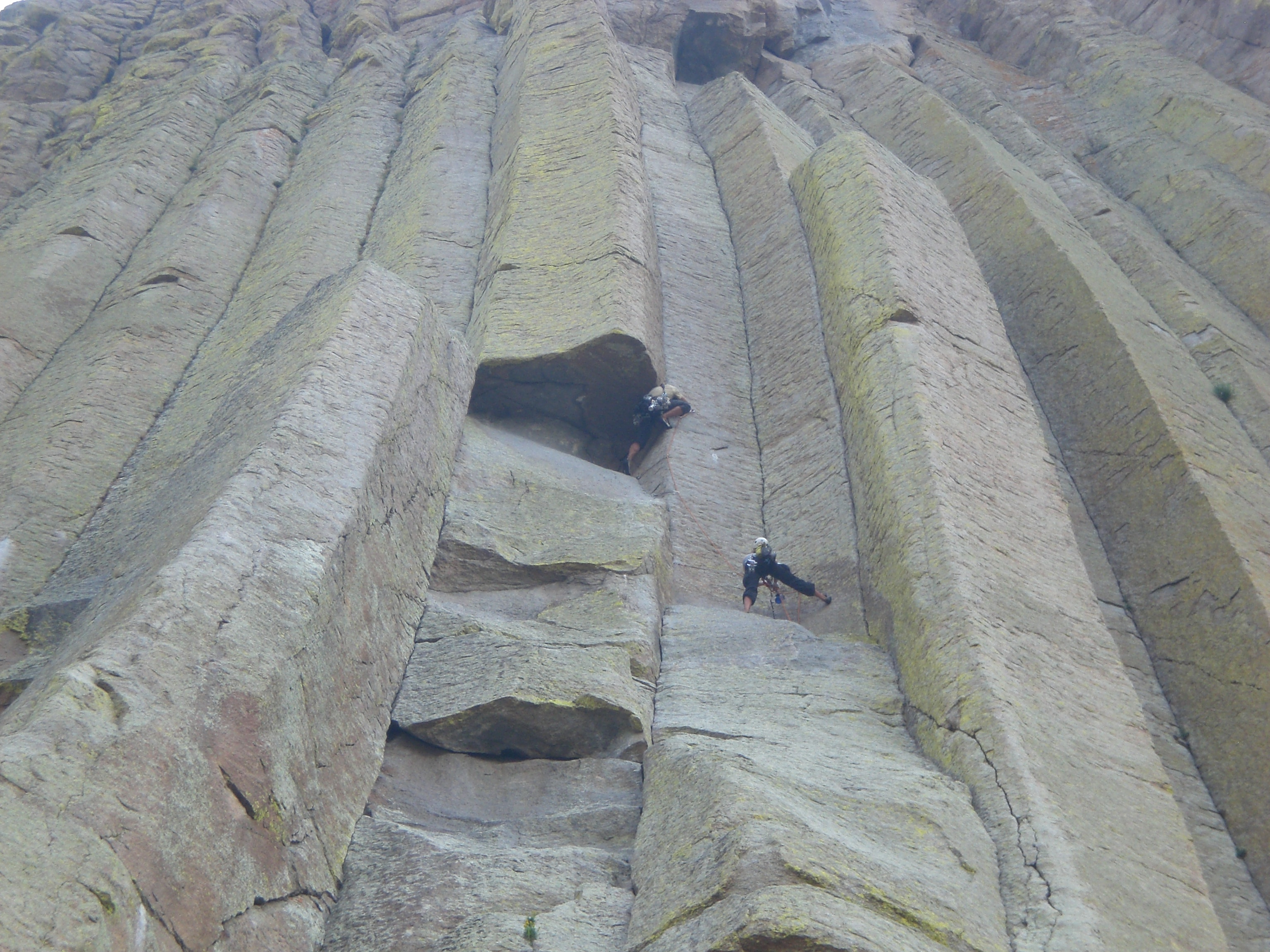
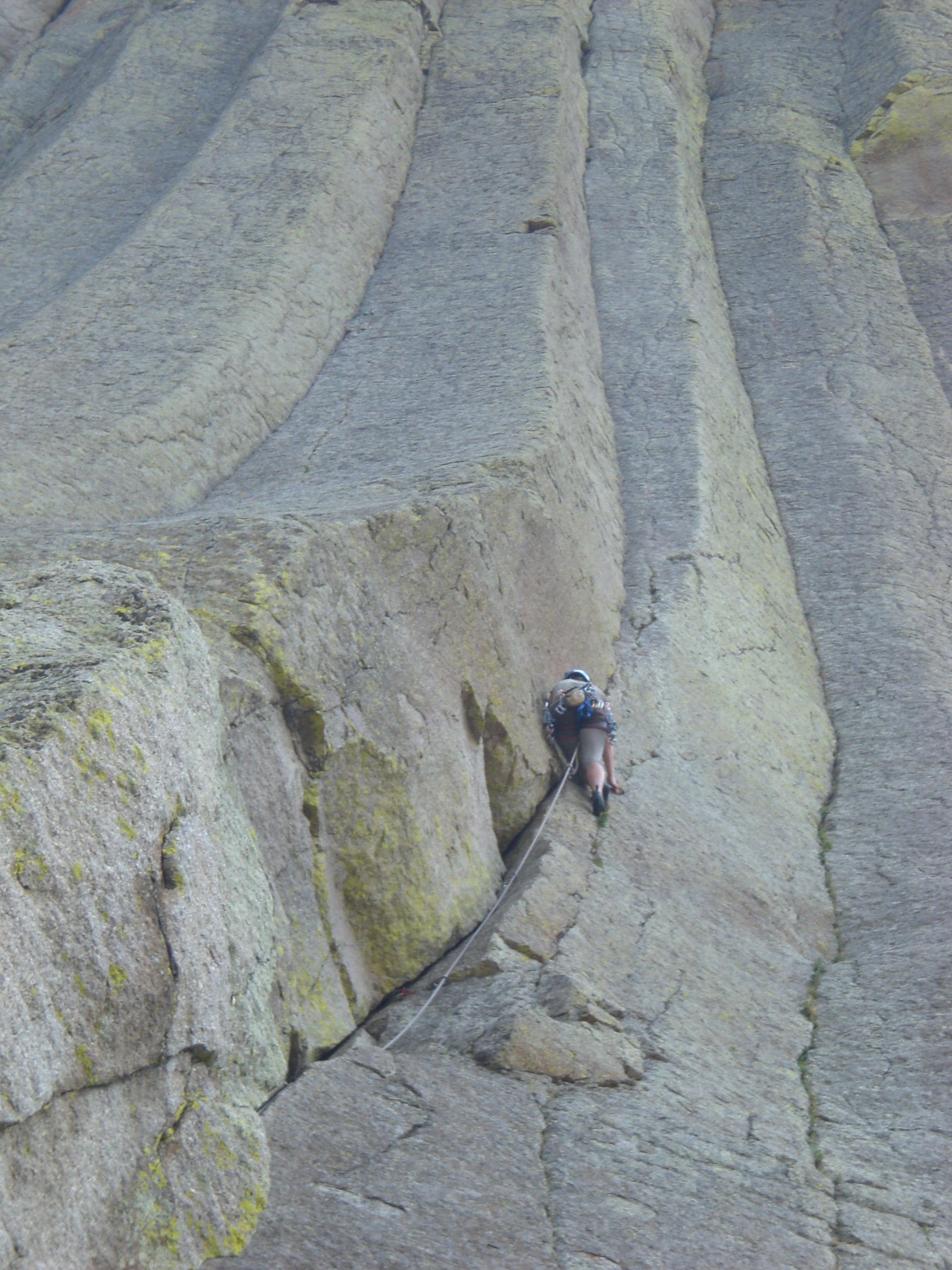
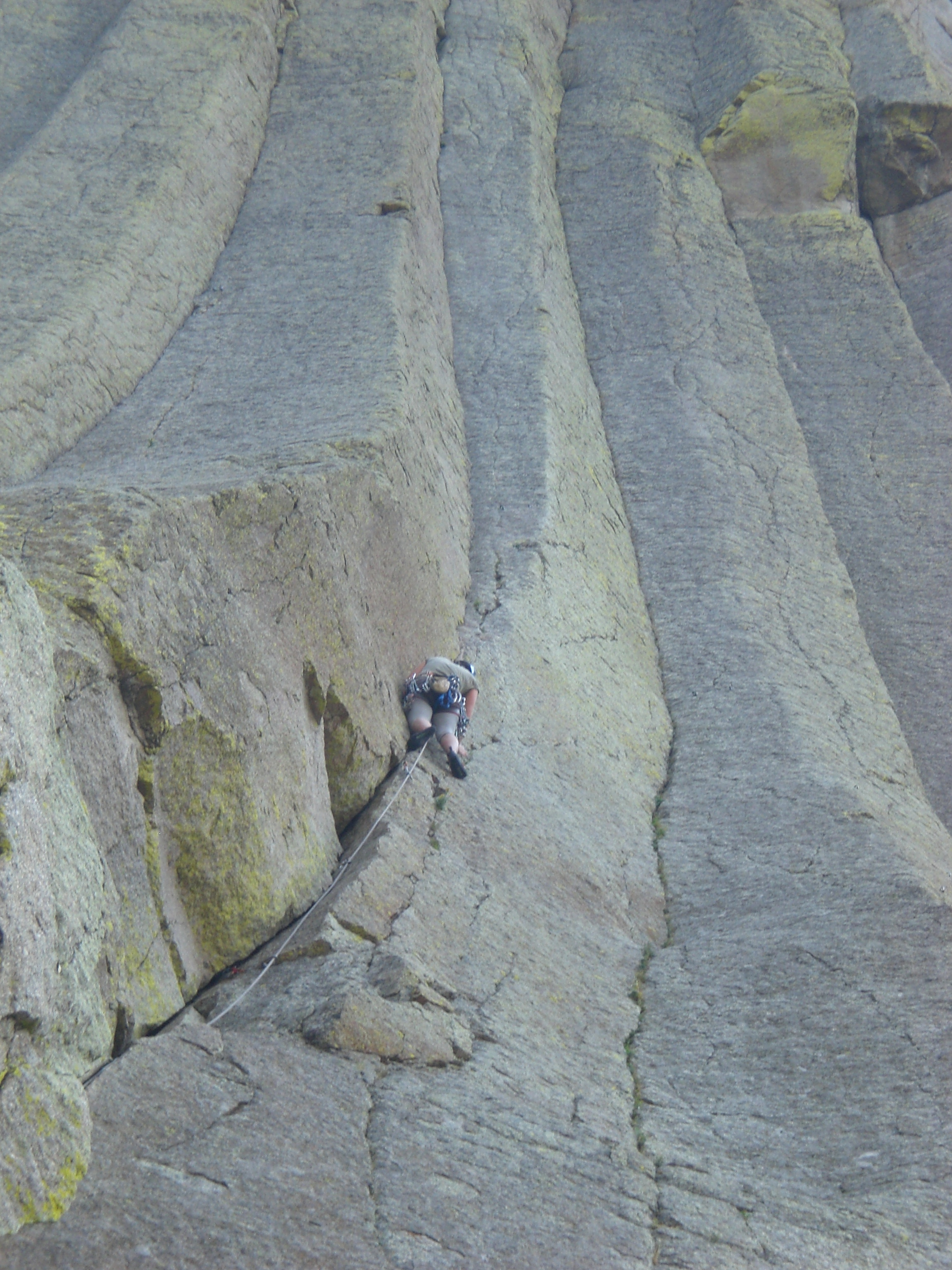
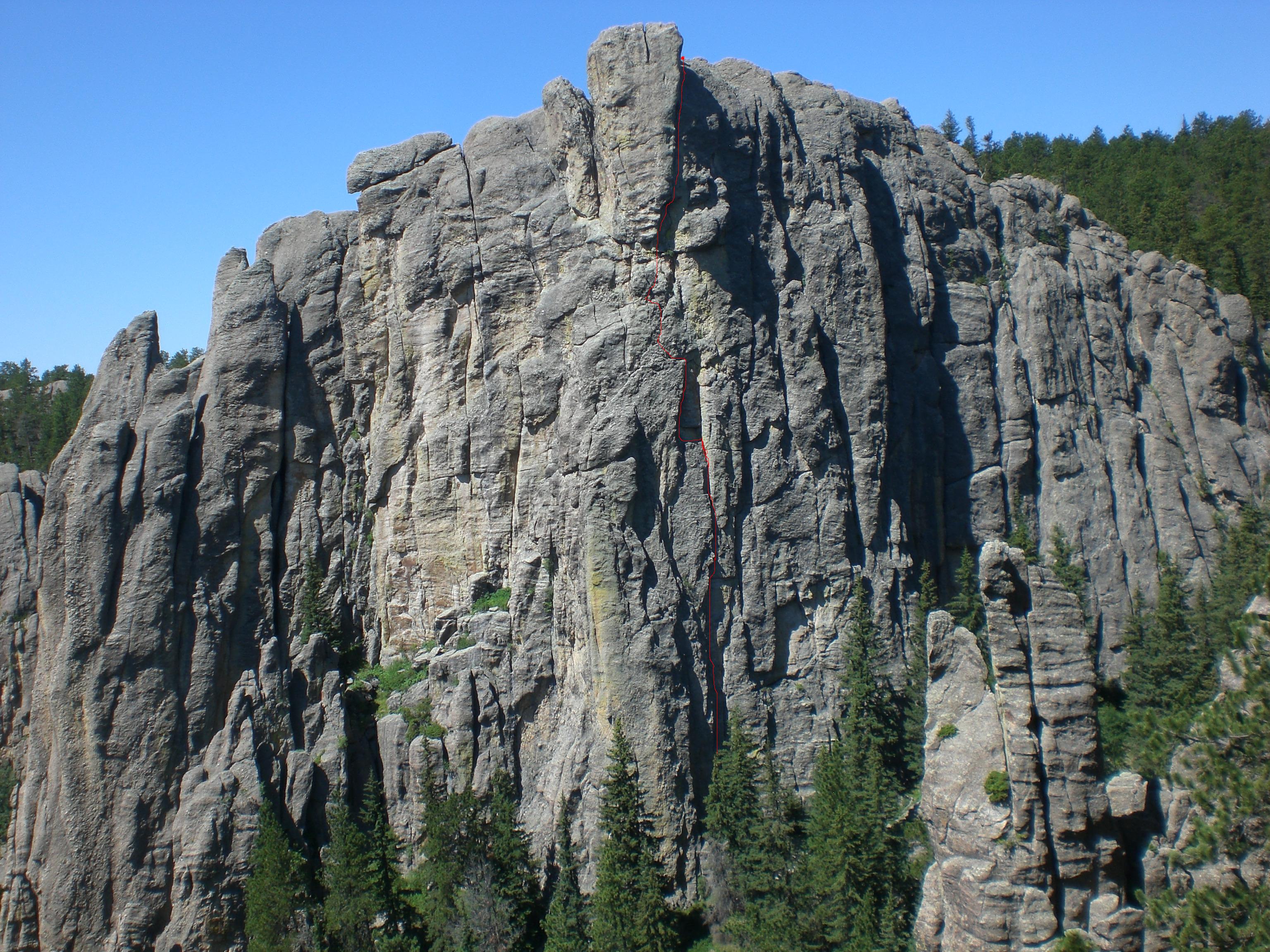
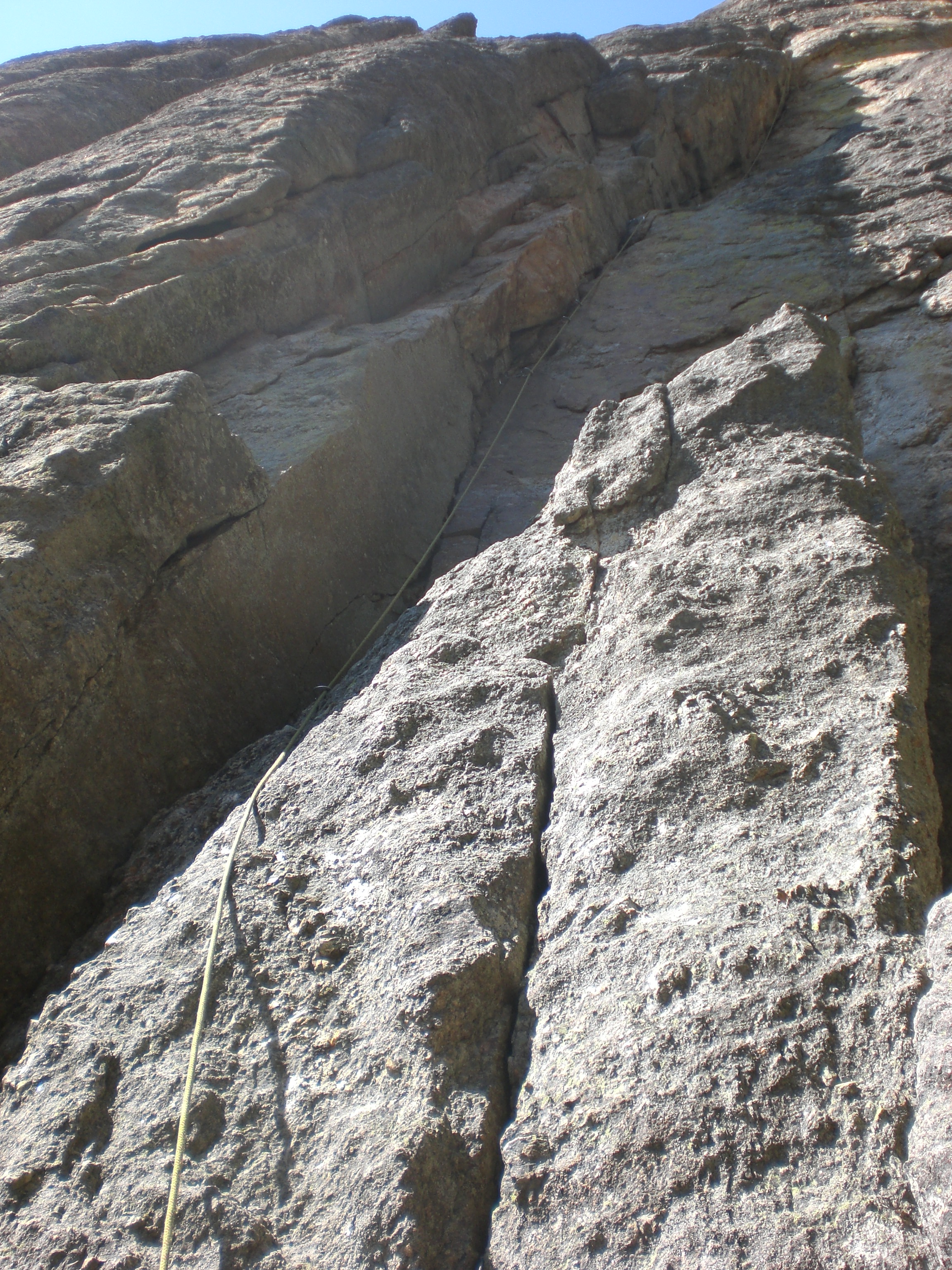
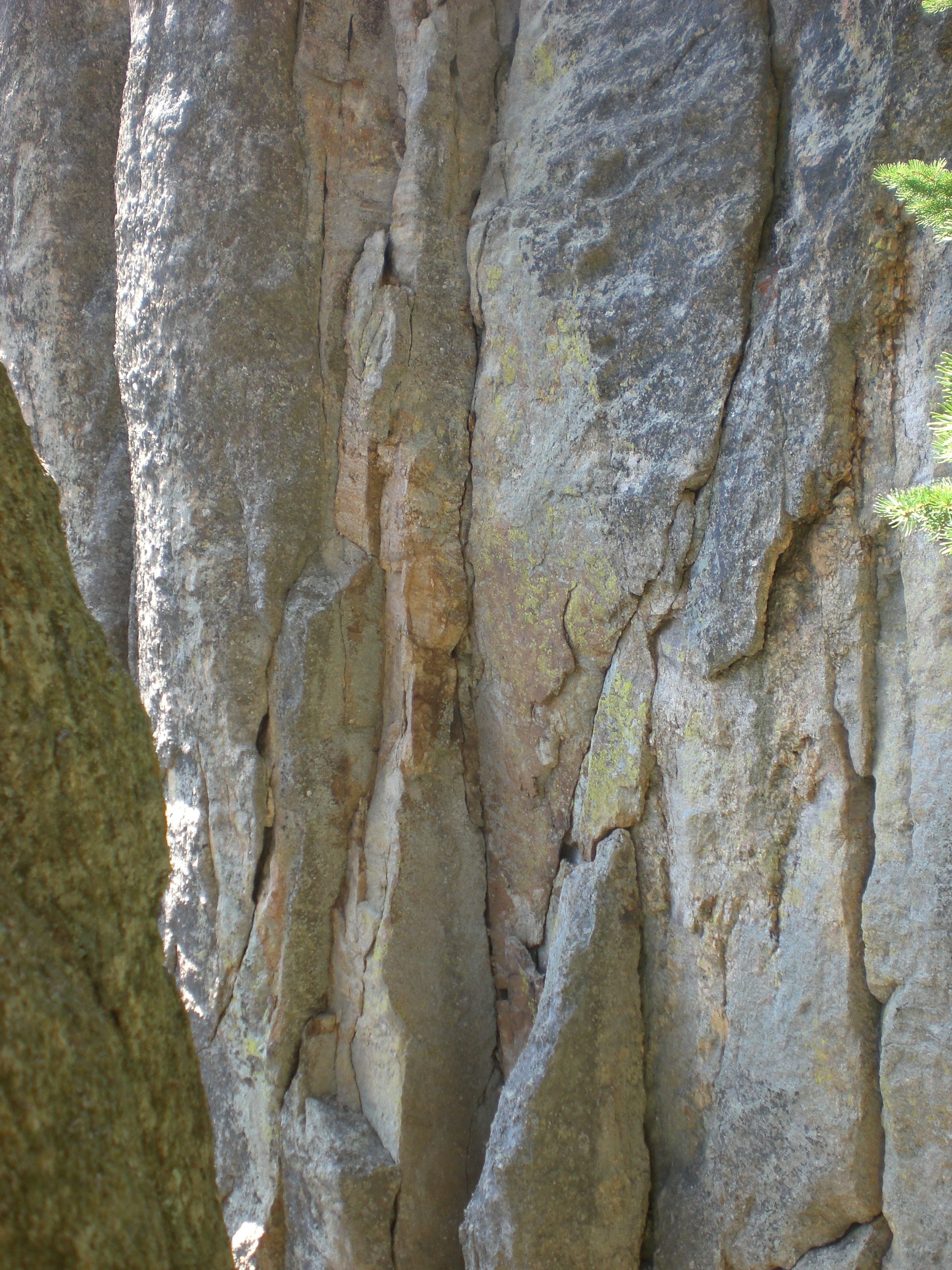
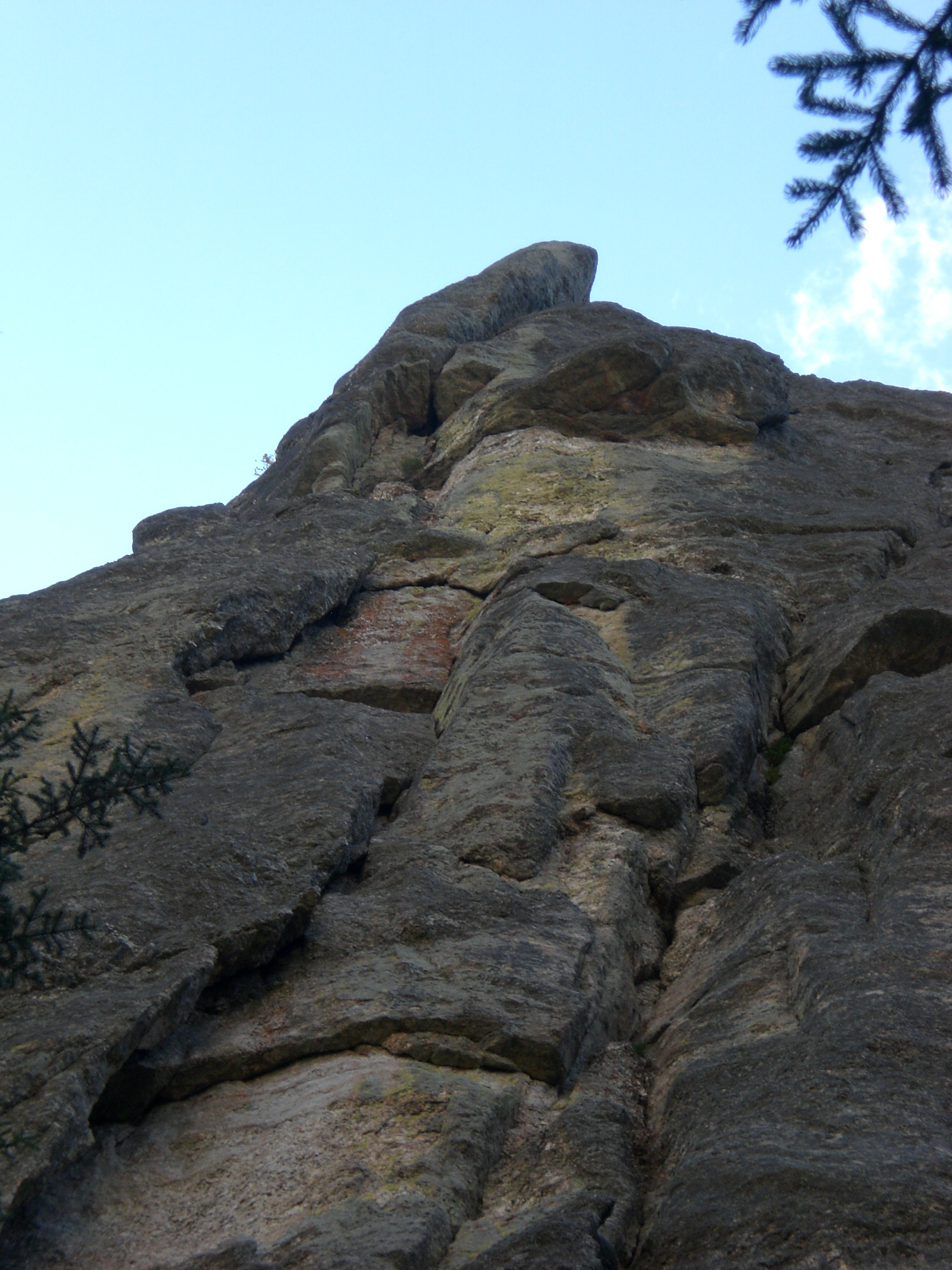
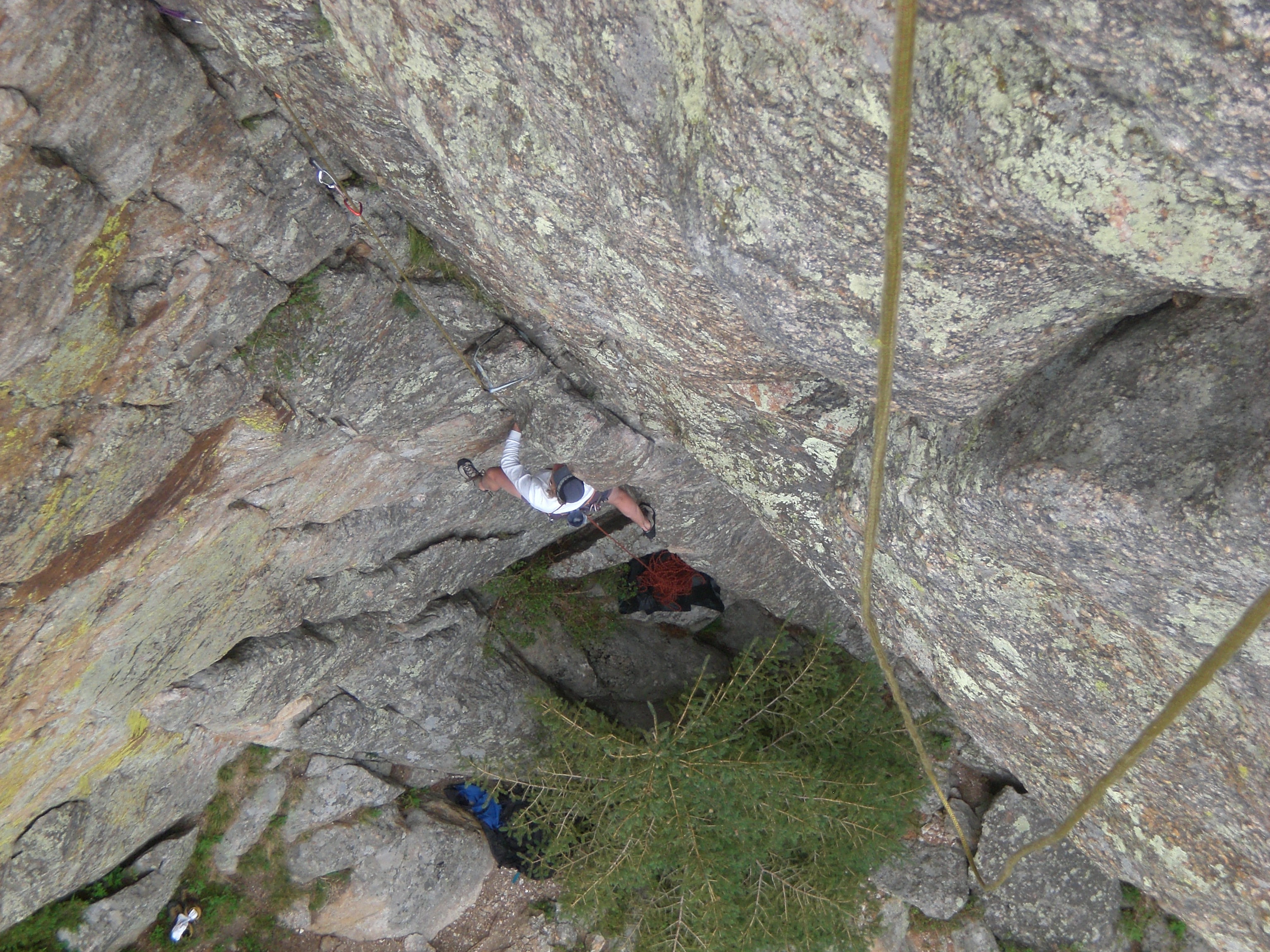
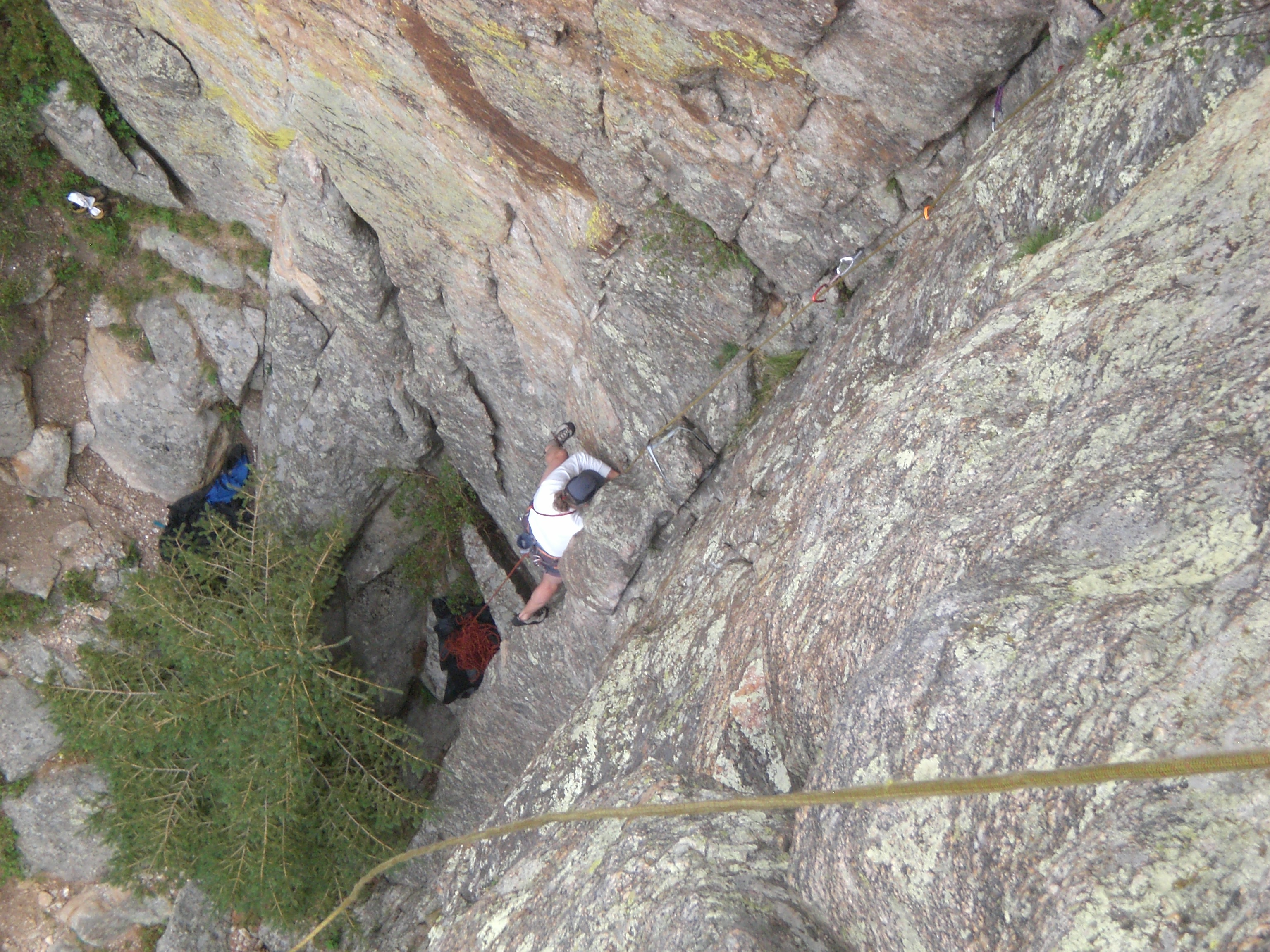
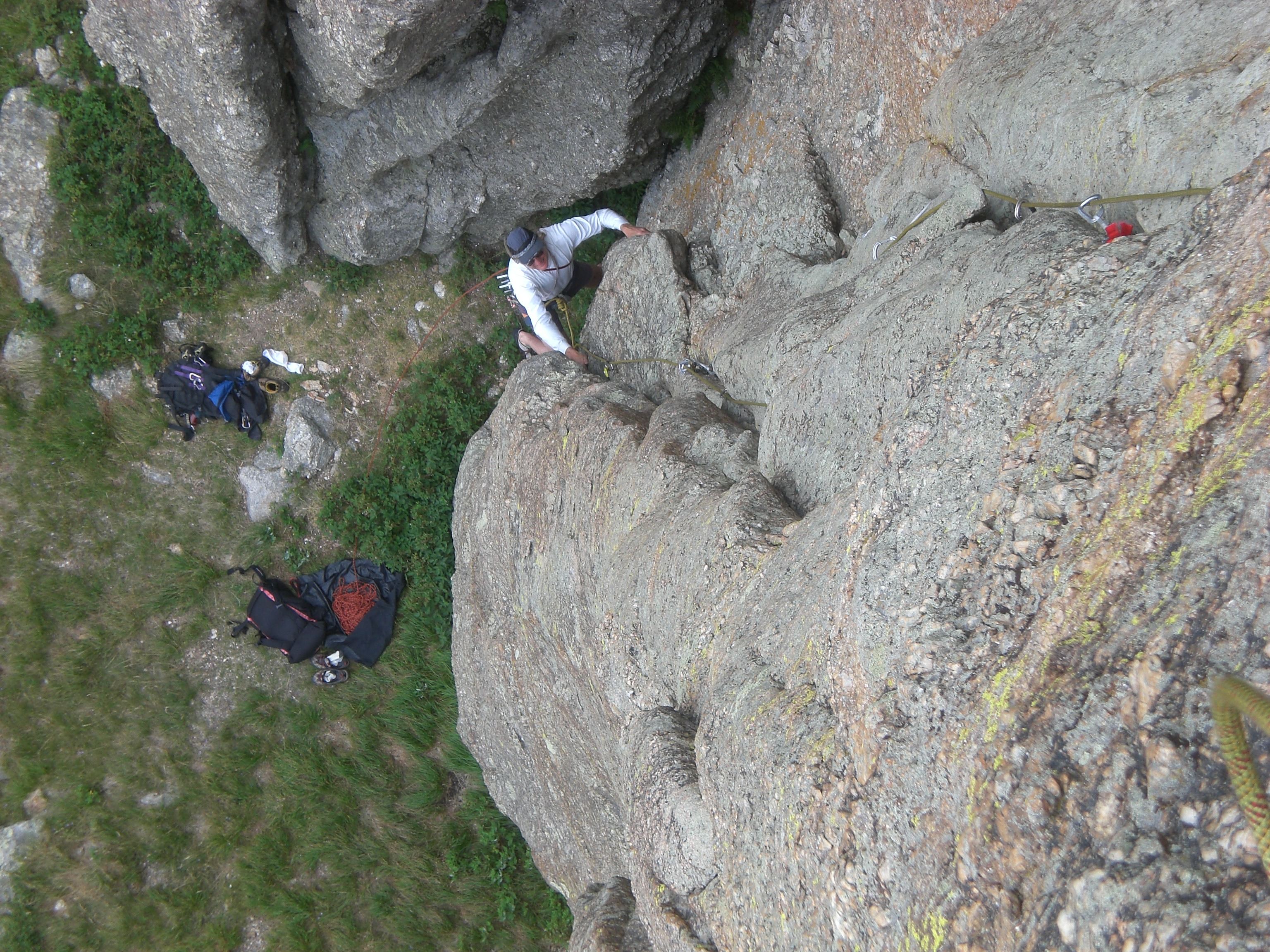
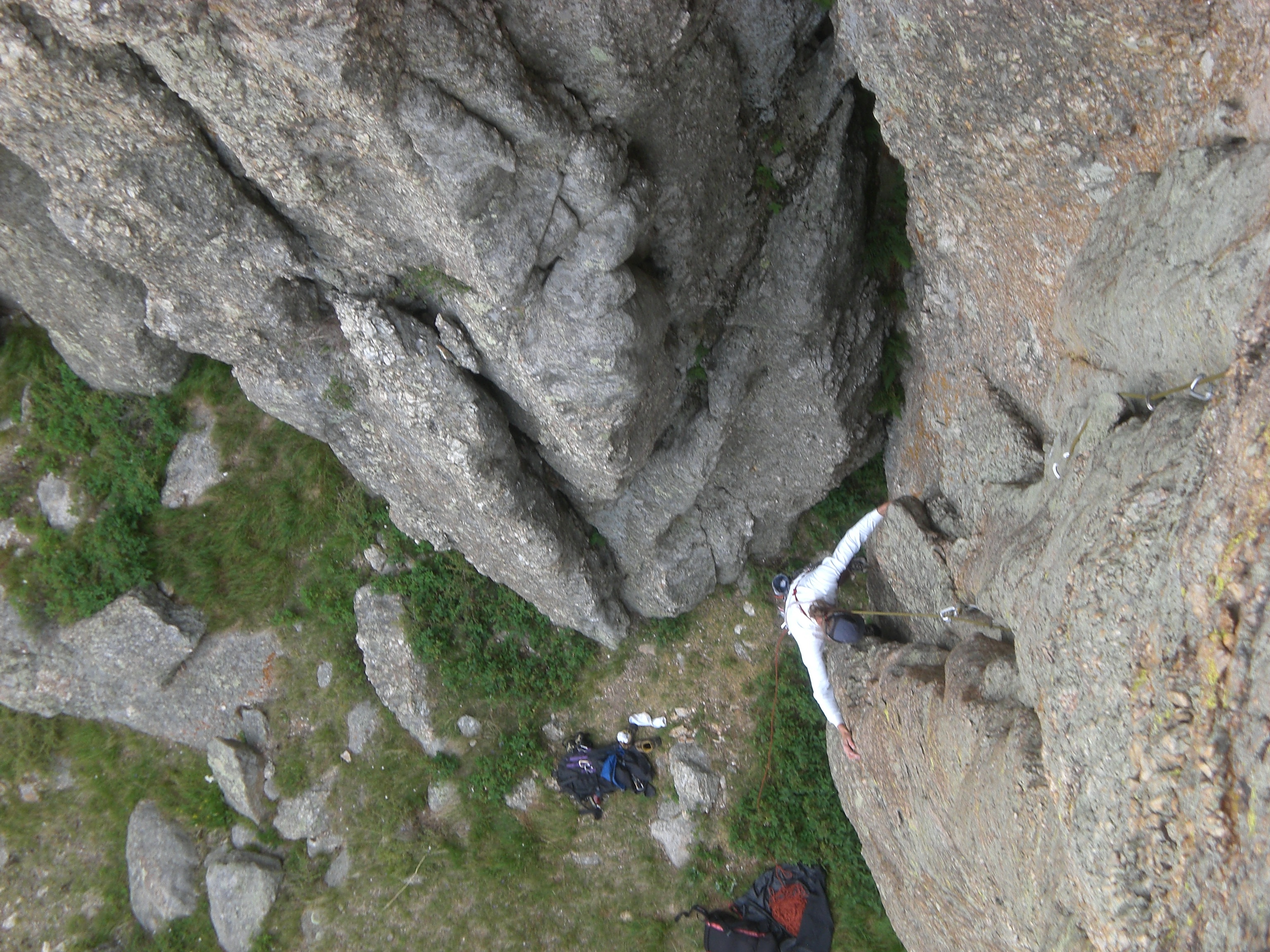
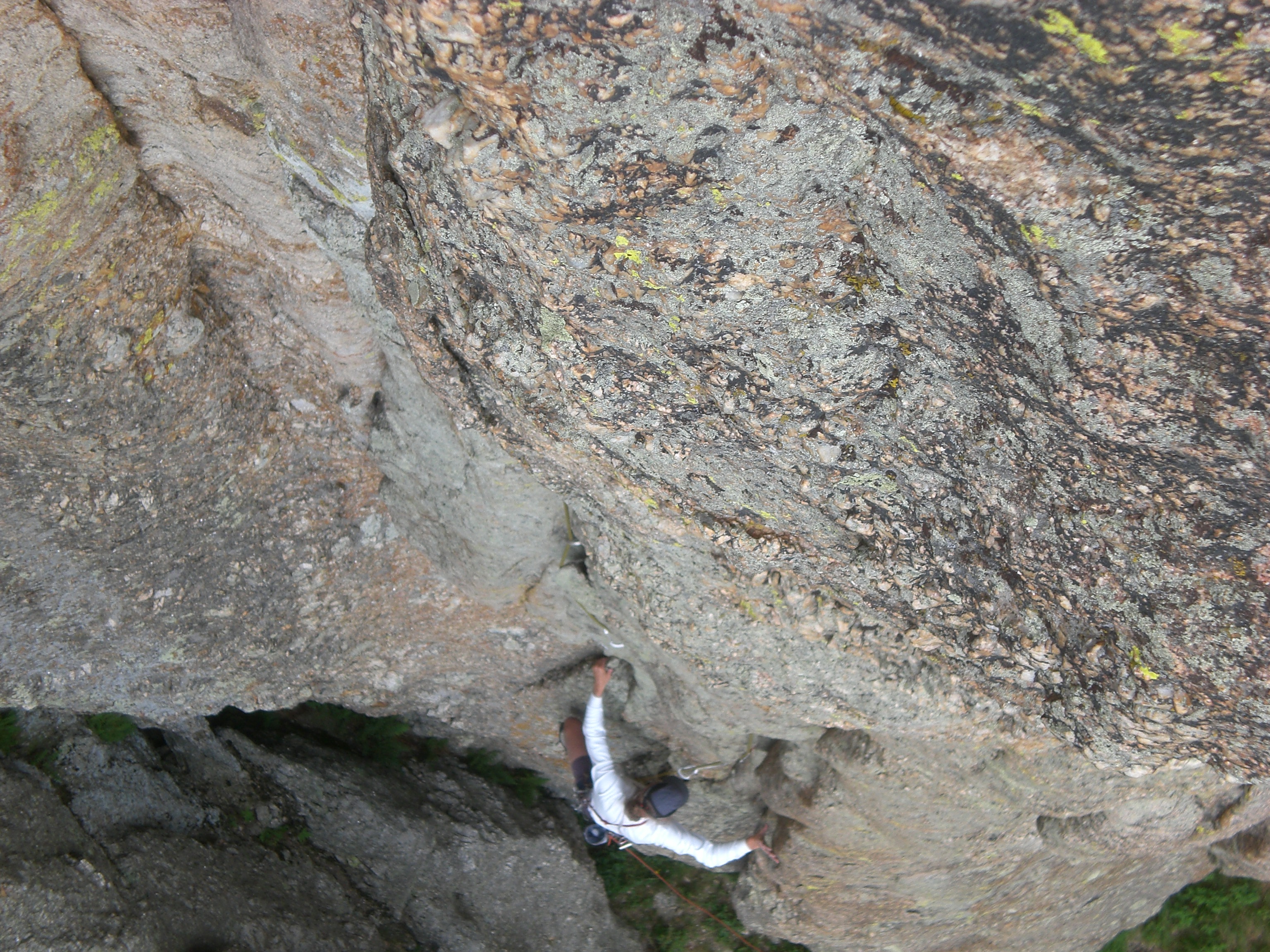
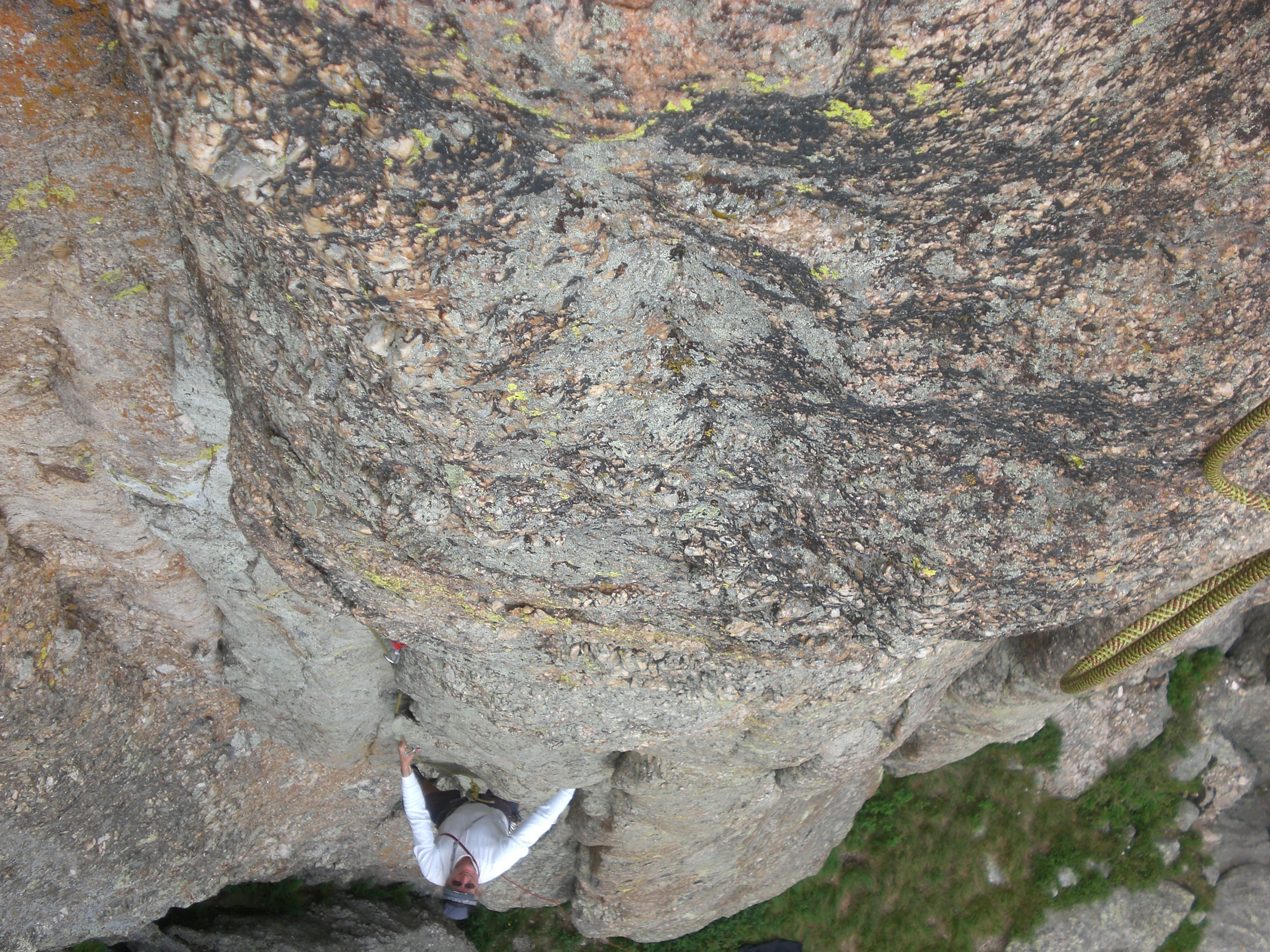
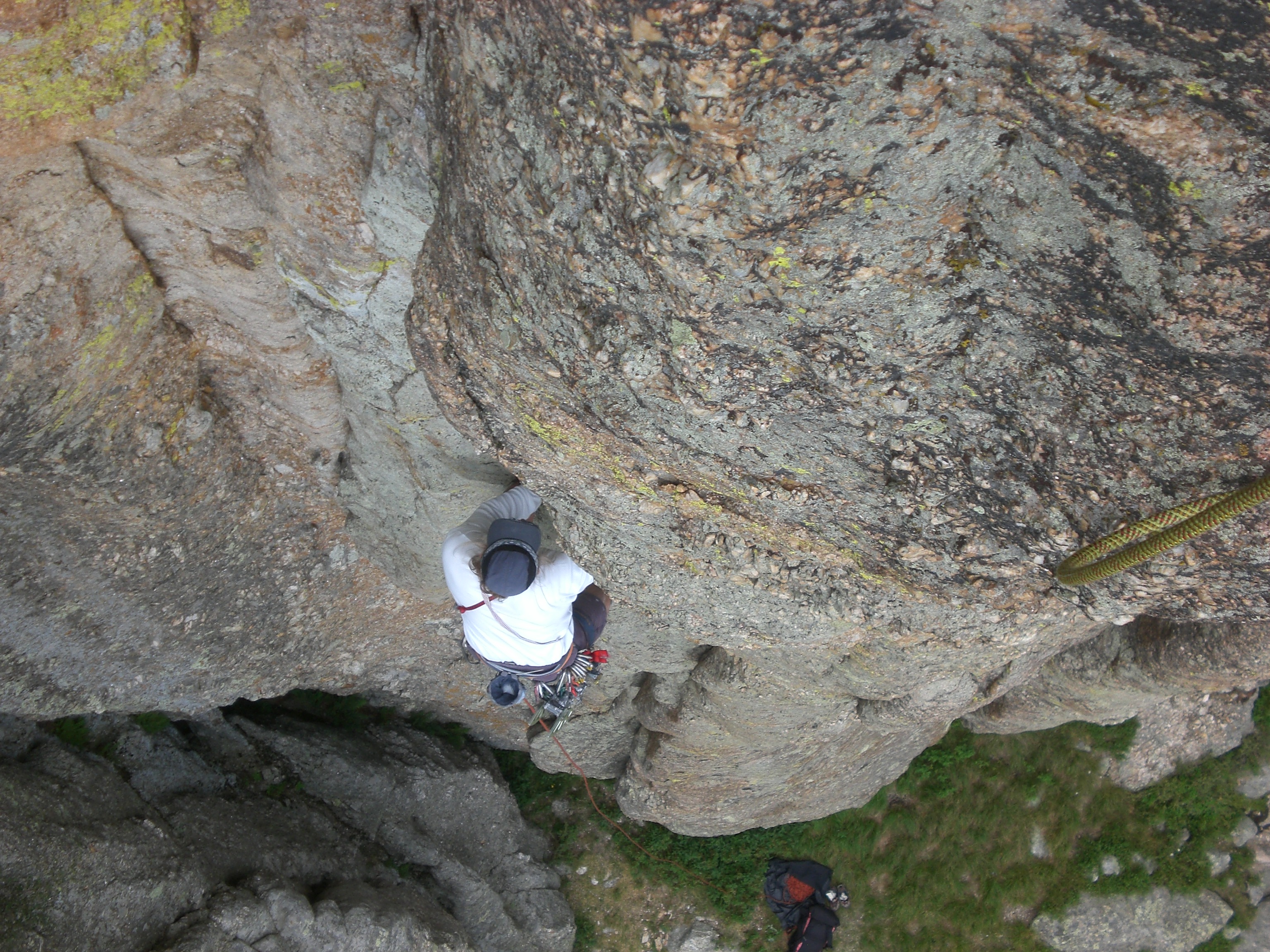
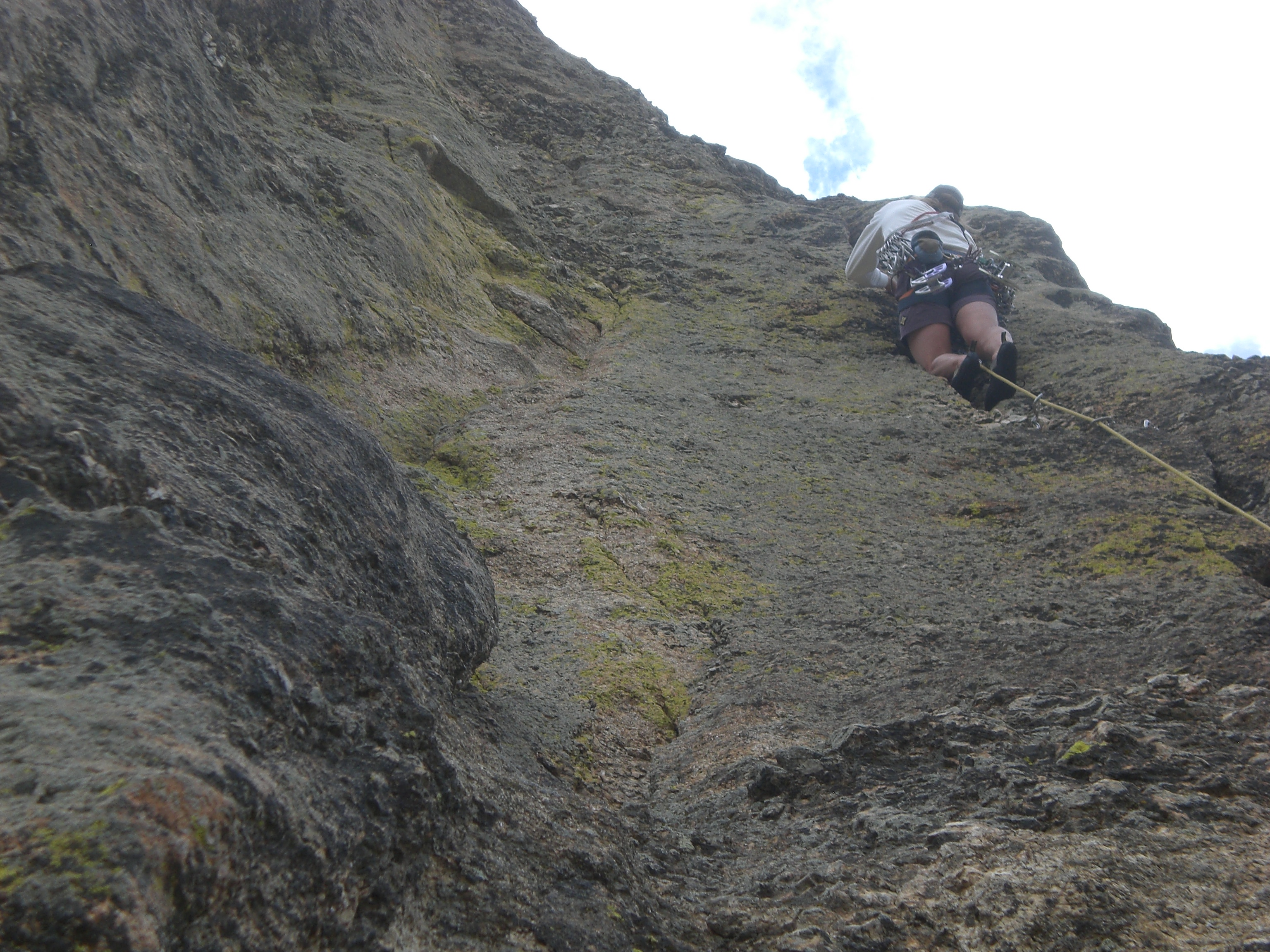
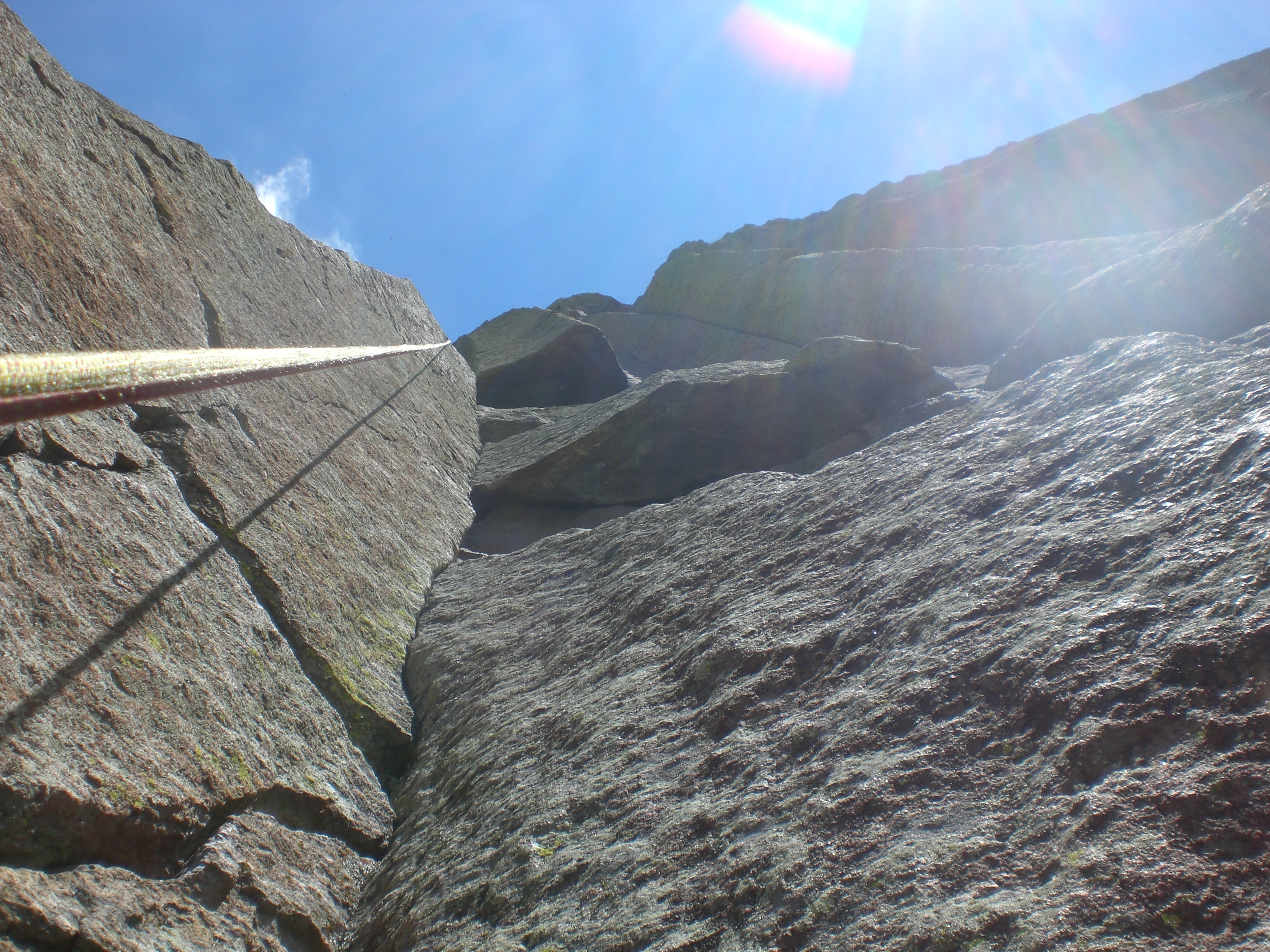
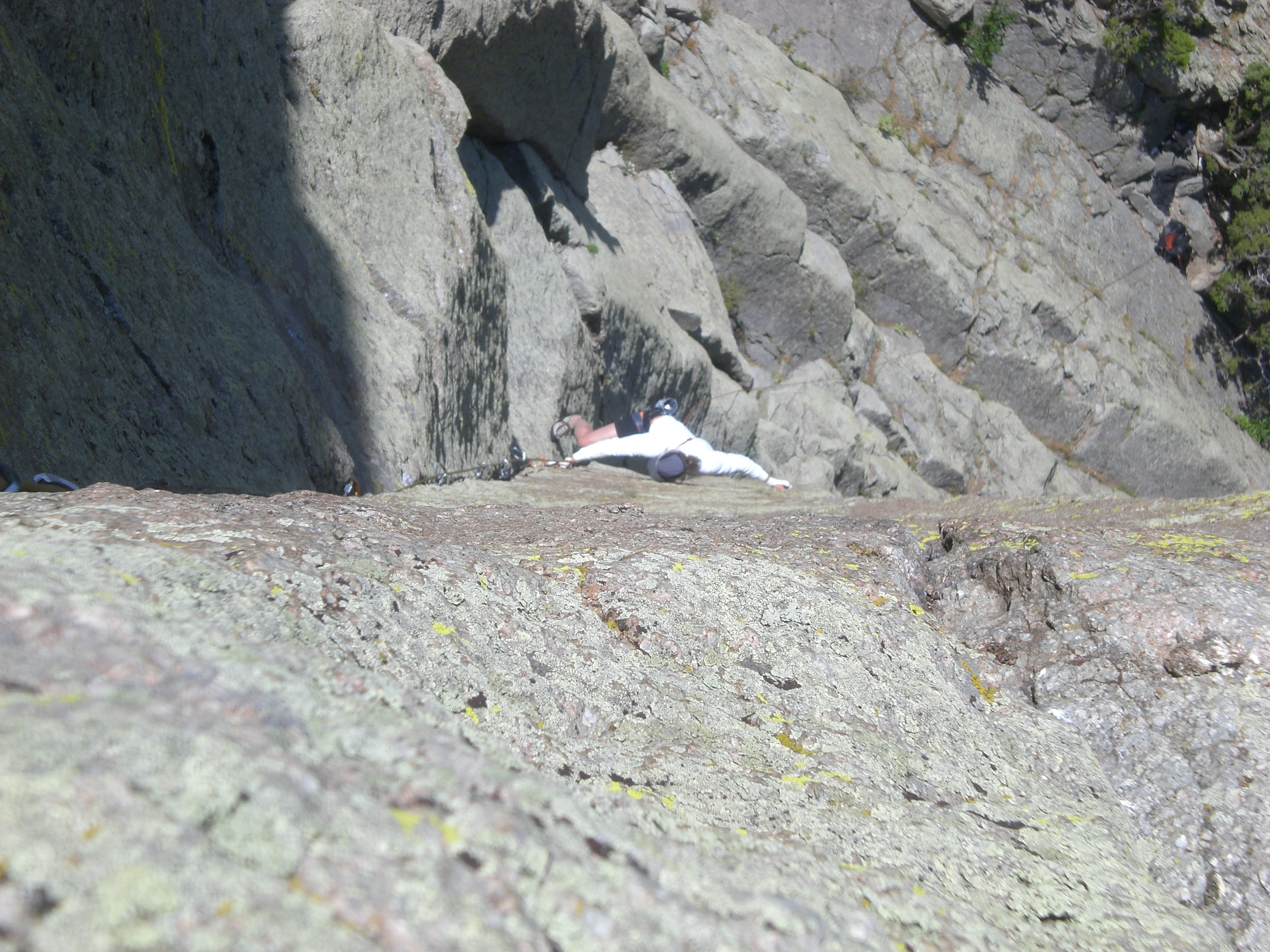
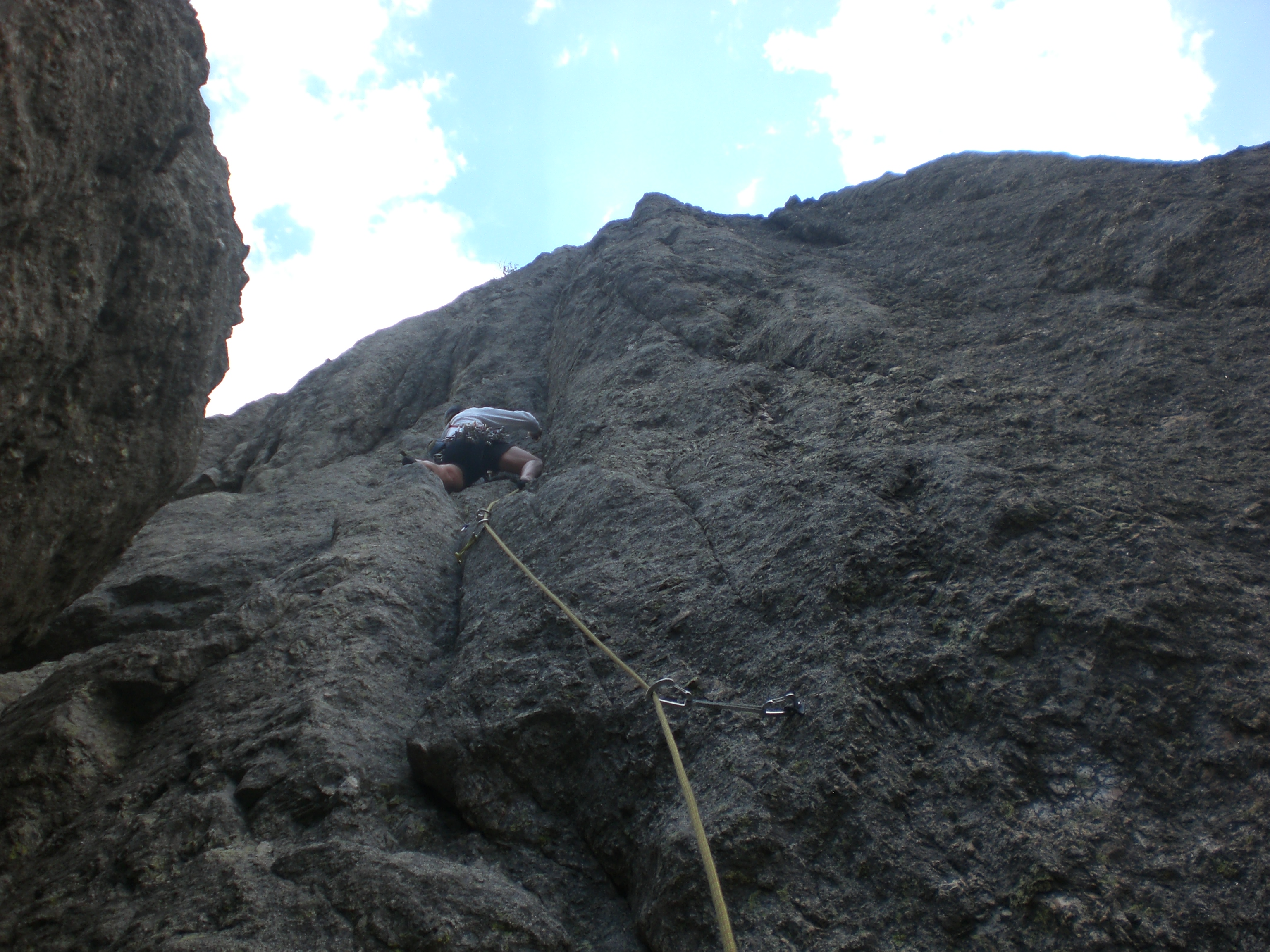
This news is quite disappointing, as the next moves will take him from the relative security of the vertical, flaring cleft in the rock, into the overhanging, flaring cleft. Then the clock will start and he will have to move or quickly find a better piece of gear before his arms are used up and he falls.  He has made about 70 feet in the last hour. I could suggest that he retreat, but as a belayer it is my job to shut up and mind the rope. Besides, it would do no good anyway. He’s been talking about this route, the last in the series of hard routes in the Spires, for two weeks and I know what the weird, faint glow from his pupils indicates and where it originates. I pay out rope, then take it back up without looking, and the clock ticks.

Deep in the brain, just above the automatic stuff humming away to keep us breathing, upright and pointed in the right direction, lies the amygdala. It is an old, buried nodule of gray matter which forms the basis of our original selves. It connects directly to our noses and memory centers, and it generates our most vital, primitive emotions, like fear and aggression. We share its structure and function with almost everything that has a brain.

The amygdala drives a pretty generic set of behaviors: if something jumps you, run away, if something has you by the tail, turn around and bite, then run away. The amygdala doesn’t define a creature.  The cortical Pachinko machine set atop the amygdala characterizes the brain and thus the animal. Stimuli coming in from the outside or up from the inside, bounce around the cortical connections until the raw impulses form a story a creature can use to elaborate on the basic run/bite reflex.

For some animals – whitetail deer, conservative politicians and religious fundamentalists for example – the story serves the fear. Neurosis, phobia and avoidance result. For other animals, the story reworks the fear into an aggressive fascination. As a result, monkeys will follow a cobra, a badger will pursue and attack a coyote, and a climber will feel drawn to the climbs that make him wake in a cold sweat . This is obsession, and it is happening at the other end of the rope.

As he climbs well past the bad protection to a good stance, I can hear other climbers in the valley drinking beer and laughing just a few feet away. My stomach hurts and my palms are damp on the rope. I surreptitiously untie from the anchor. I’m sitting on a ledge, and I can decrease the length of the leader’s fall if I jump off, though the forces on the protection may be higher if I get it wrong. The risk has become worthwhile.

He tries to step out onto the last traverse to a bolt. He comes back to the stance. The process repeats itself five times. Another hour passes; I can’t imagine what his toes must feel like now, crammed in climbing shoes and perched on dime-sized crystals for all this time. Finally, he finds the right sequence of holds and steps out. He clips the bolt. It’s still a fight to make the anchors, but the stakes have gone down and he is able to move more quickly.

The route takes about twenty-five minutes to follow on top-rope.

As I reach the anchor I tell him, “Nice lead.”

He isn’t happy, he’s just done. His amygdala is switched off and he is through with the obsession. It is not a bad feeling, but it is different from relieved or satisfied or happy. Language just hasn’t bothered to find a word for it, because it isn’t normal.

Packing up at the base, I begin to think about the run-out on Nantucket Sleighride. It is such a good route.

Buddy the Blastocyst Gets a Soul (or does he?)

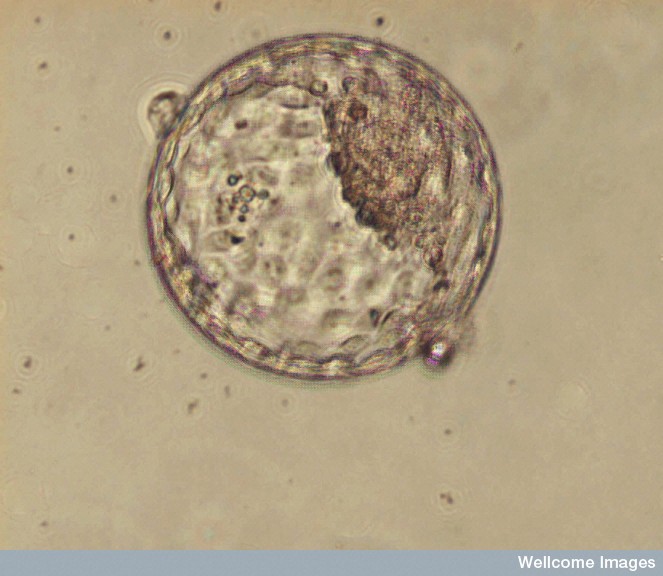
Nobody likes abortion – not the people who go through the procedure, not the people who perform the procedure, not the people who make the rules – and for good reason. For the patient, it is emotionally and physically traumatic. For the physician, it is one of those sad duties on the ethical borders of the profession. For the society,  it is desensitizing and it ‘whites out’ a gray ethical situation. From proponents, abortion rights call for a sober advocacy, the kind of favor given a less bad thing. Only one thing makes the whole mess worthy of a fight, and that is the contention of abortion opponents that abortion is murder. To qualify as murder, Buddy the Blastocyst’s destruction must be the destruction of a human. To qualify as a human, Buddy the Blastocyst must have a soul. What makes the accusation of murder objectionable is the murder which justifies the accusation. That murder is the murder of the soul, or at least one concept of it.

Most religious people are dualists; they believe in a soul which is a substance separate from the body. In this model of the soul, the nature of the substance is a sort of nascent self- consciousness or quality of humanness – a realized version of what it’s like to be human. The soul then forms a nidus for the mind, as well as a motive force, and through its one-way, motivating influence on the mind, causes the body to act. Though the body’s actions may  indirectly represent the soul’s intent, the soul is only affected by its own decisions independent of the body and the parts of the mind that gather and manipulate information from the physical world. In this model, we are soul puppets. Though it is subtle and convoluted, this arrangement is necessary to have the soul be one substance with the deity. The deity then encounters no philosophical problems in being the direct creator and ultimate owner of the soul.

Obviously, skeptics and other monists do not subscribe to the soul puppet model. However, most still believe that there is something it is like to be human, and so believe in a version of the soul. But this version is a dependent soul. It derives from the gradual realization of the potential to be what a human is like, over an individual’s lifetime. The soul is thus an accretion on the body and mind, with the potential quality of humanness as its nidus. This is the idea of soul which the soul puppet people are bound to destroy. To properly understand this imperative, it helps to examine the implications of being a soul puppet for Buddy the Blastocyst.

Let’s say Buddy forms under the dualist model. He has a soul, created by the deity, which is a substance separate from his body and rational mind. His soul may indirectly affect his body and mind, and to remain a separate substance, may not be directly affected by the body and mind. As soon as Buddy comes to be, there is about a forty percent chance that he will  quickly cease to be. The uterus may not be ready for him or he may have a fatal genetic abnormality. For a variety of reasons, a large proportion of early pregnancies fail. On superficial examination, this fact seems to pose some problems for Buddy the soul puppet. Perhaps the deity is a cruel practical joker, who bestows Buddy with a soul only strip it away. Perhaps the deity knows Buddy will fail and so does not give Buddy a soul in the first place.

Buddy needn’t worry though. Just as the motives of his soul are not directly accessible to his mind and body, neither are the motives of the deity. In an ironic twist, the benevolence of divine caprice saves Buddy from predestination and arbitrary judgement. Just as the soul must affect itself and merely be represented in mind and body, so the greater material world must symbolize the deity’s motive, but in context of the deity’s real condition alone, which is separate and self-contained, completely encompassing and determining the material world. Otherwise, movements in the material world begin to operate on the same rules as in the divine, and so begin to have a direct meaning for the deity, bringing the deity under their influence (even if he/she must only choose to ignore them). Then he/she is no longer a separate substance, just a separate category.

So, Buddy is saved by never being able to know god’s mind through interpretation of material events. However, by the same ironic twist which allows Buddy the soul puppet to dodge potential problems with predestination and arbitrary judgement, the real consequence he suffers is condemnation to thorough-going Nihilism. He can’t know the motives of his soul in terms of material objects subject to his reason. He can rationalize the material representation of the deity’s will, though he can never know its significance. Forever pushing around symbols he can’t read in a game with rules not relevant to anything outside themselves, on all but the very deepest level, he is a zombie. But if he comes to see himself as a soul puppet, accepting the viewpoint of those who would call his destruction murder, his future can be a happy  condition of necessary ignorance.

The material world will no longer be a big problem once Buddy comes to that conclusion. It will be very convenient for him if he can rationalize its relationships, but consistency is not vital. Likewise, the moral sense that he may feel could be indigestion, but it may just as well be a one-way communique from his soul. He will be justified in believing his intuitions, though he can never really validate them. He then has a choice of two paths to follow. He can decide to do as the Shakers and others have and simply avoid confusing situations where an underlying psychological motive might masquerade as inspiration. Conversely, he can follow the majority of his fellow soul puppets, hold all his intuitions to be inspiration from the higher realm, and simply have faith that he is not deceived.

Still, it takes a tremendous amount of faith to walk about in pitch black dark. Like so many of us, Buddy may not cope well with uncertainty. He may seek solace in the scriptures which record  inspirational intuitions concordant with his own. History is cold comfort, though. He may wish to know something in his own time and space which validates his intuitions. Then, the only means available is comparison of his intuitions with those of others, and he may feel, since he is justified in believing his own intuitions true, that others’ intuitions must coincide with his own. He may demand a substantial soul for every blastocyst, and seek to silence any talk, or even implication, of an accreted soul.

The demand for consistency may seem inconsistent, but if it is driven by an intuition related to religious sentiment, the soul puppet may be justified in believing it is just as close to the truth as an action based on reason. Actually, if an intuitive conclusion cannot be related to a cause based in the material world, he may be more justified in believing such a conclusion is true. Distinguishing  discomfort from inspiration requires insight in the soul puppet’s world, and in that world insight is not more reliable than intuition. He might as well flip a coin.

This is the problem: in a material world where we are all weak from time to time, the soul puppet perspective ultimately requires universal participation. It is too uncomfortable otherwise, and in a system where the difference between discomfort and inspiration is not reliably discernible, relief becomes an imperative. So, the soul puppets are justified in crying ‘murder’, and more. They are justified in demanding that everyone else cry ‘murder’, and more. It isn’t abortion that’s a fighting matter, it’s the imperative behind the cries of  murder. Everyone may not agree on the nature of the soul, but no one wants to be a pawn in another person’s scheme to insulate himself from the implications of his own beliefs. Even a blastocyst deserves protection from that.

Tagged , ,

Ring Around the Tower

After a week in the flatlands and another week of catch -up, it was time for a tune-up. Rich was agreeable, so we started on the West Face and chased the shade on moderate classics. Here’s the program: First pitch of El Matador, 5.8, First pitch of McCarthy West Face, 5.9+,
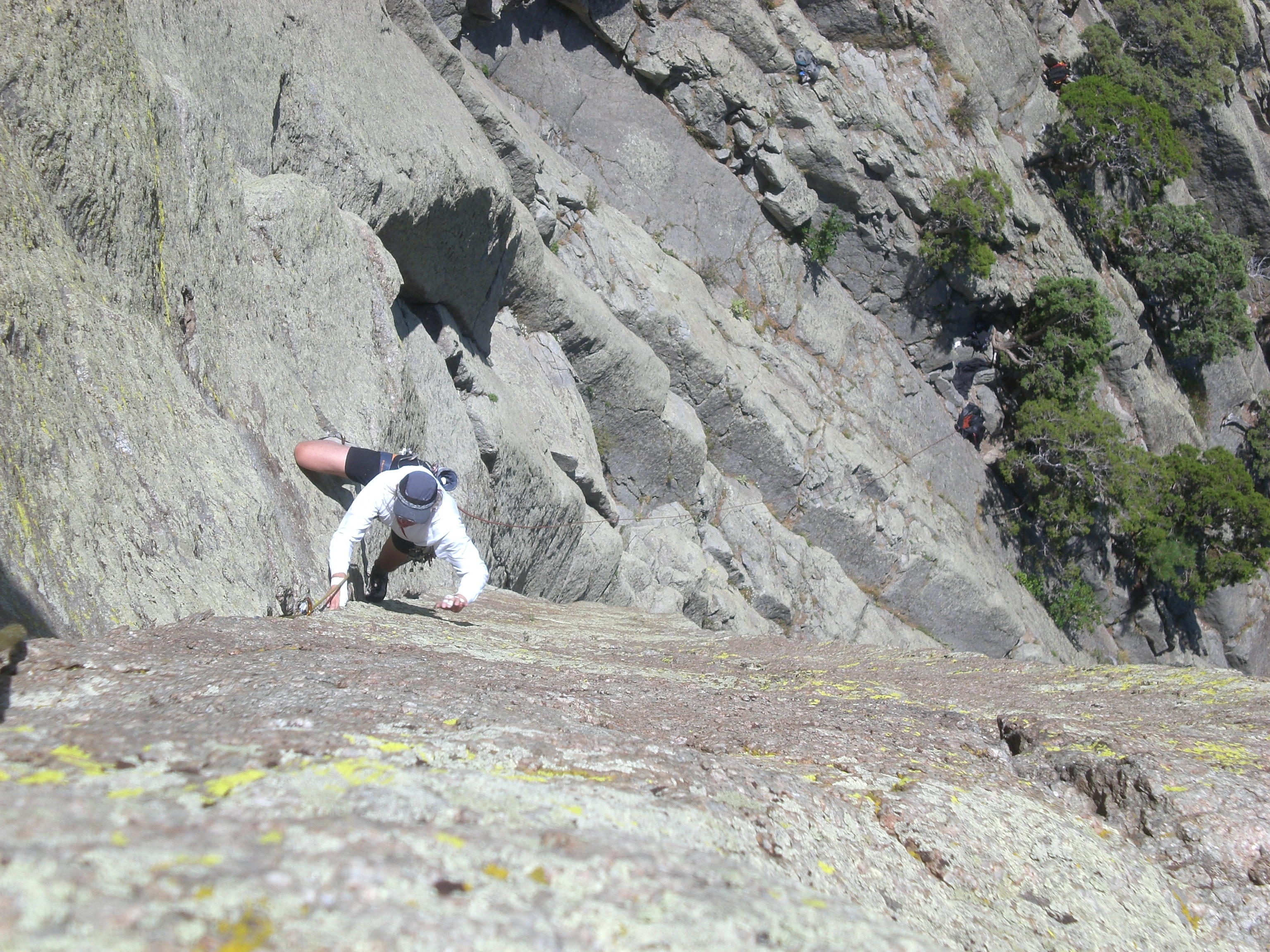
Climbers on the second pitch of McCarthy West, upper first pitch is the crack to the belayer’s left

First pitch of Carol’s Crack, 5.10a,

Carol’s Crack pitch #1

New Wave, 5.7 and 5.10a (we link the pitches – they’re pretty short),

New Wave

Assembly Line, 5.9.
Jedi Master Frank S. and client getting ready for the finger crack start to Assembly Line

Frank on Assembly Line

There are many others, Rangers Are People, 5.9, Mystic and the Mulchers, 5.8, Soler, 5.9, El Cracko Diablo, 5.8, First pitch of McCarthy North Face, 5.8, etc. If you plan to visit Devils Tower, consider these routes rather than insisting on a miserable experience on Durrance. You won’t get to the top, but then again, the top really isn’t that interesting.

Bartizan

The mighty Bartizan, from the Spires

The Bartizan is an oft overlooked gem. It flanks the Cathedral Spires on the West, and because it sits slightly lower and isn’t pointy, people walk on by it without a second glance. It does, however, sport several features of interest to climbers. I could tell you about a quaint little 5.7 on the North end, or the truly horrible chimney and off-width right next to it. However, I am a snob trained by snobs, so I will only talk about the two best routes on the rock.

After the 5.0 approach up the gully, The Crack…

The Crack of Earthly Delights is a crack, but it is so much more. It is a lie-back, a face climb, an alpine rock climb and a stemming problem. It is also potentially dangerous. The crux comes low on the route, just after stepping off a little pedestal. If you piece it together properly, after the fact you’ll be able to say, “I can see how you could call that 5.9.” But if you put the right hand where the left should be or disregard the improbable-looking holds out to the left, you’ll be faced with a frightening lie-back which takes you far enough above your last gear to risk dynamic re-acquaintance with the top of the little pedestal should you fall.

So this is how steep the crux really is.

The remainder of the climbing in the corner is safe and fun. A hard left turn before the crack ends takes you to an exciting run -out to the anchors on a pinnacle to the left of a small gully.

Looking up toward the roof

Kevizan goes from the base right up the middle of the formation. The first pitch is an off-width with an overhanging section.

Looking SE from the belay ledge

The second pitch continues the off-width for a few, desperate feet, then eases up before turning a roof.

From the top

A key, hidden flake on the right takes you past the overhang to some of the best finger locks and hand jams in the Needles – if you have the sauce left to stick to them.


Tagged ,

Beetle Battle

The Cathedral Spires after the beetles

The mountain pine beetle is a native son of the Black Hills, but nobody around here is very proud of the little guy. I like him. He’s tiny and a weak flyer. A victim of his own reproductive tactics, he’s a bit like the Lemming – doomed to population booms and busts that make him look stupid. Nevertheless, this little insect has thwarted the will of the baddest mammal on the planet.

For the most part, the life cycle of the pine beetle is typical, boring high school biology. It’s one of those egg-larvae-adult-egg affairs that fits well in a circle of arrows on the textbook’s margin. In late summer, adult beetles emerge from trees infested the year before and fly to new trees, where they burrow into the bark and lay eggs. The eggs hatch quickly into grub-like larvae which begin to eat the tender, inner layers of the bark. After a Winter’s break, the larvae finish their meal, metamorphose into adults and the cycle begins again.Within this staid tale, there are a few interesting details that, under the right conditions, conspire to make the smoldering, little endemic population of beetles into a conflagration.

First, there’s that Winter dormancy. To prepare for the cold, the larvae produce antifreeze. If cold weather strikes before they are ready, many will die. If they are ready, though, they can survive temperatures down to thirty below zero, Fahrenheit. Besides allowing more larvae to survive, adequate preparation means the larvae are further along in their development when they wake up in the Spring. Sometimes, they are far enough along to complete two generations in one year.

Second, the trees don’t just stand there and take it. They have an immune response to the beetles. As the insects dig into the inner bark, the injury prompts the tree to force resin upwards.  Sap spills out of the defect in the bark, smothering the beetles. If the beetles are few enough, and the tree is strong enough, the immune system can prevail. In turn, the beetles have adapted to overcome the trees’ defenses. They produce a pheromone which calls other beetles to a tree under attack, giving them the opportunity to exhaust the tree’s immunity with sheer numbers.

Blue stain fungus

The beetles have also developed a symbiotic relationship with a fungus that weakens the trees. The ‘blue stain’ fungus thrives in the core wood of pine trees, where it interferes with water transport to the crown. Beetles carry fungal spores on their bodies as they breach the outer layers of bark which normally bar the fungus entry.

Under usual conditions, things work out so a few trees die and a few beetles survive. However, if the weather is right and the trees are already weak, a positive feedback loop ensues and the beetle population explodes. Usually these excursions amount to little bursts, limited by the availability of suitable trees.  But presently, due to a lucky convergence of human and beetle preferences, there is no limit to the availability of suitable trees.

The forest that we have cultivated is made of trees which are just the species and size that the beetles prefer. Plus, we’ve made a dense forest, so even the mountain pine beetles’ weak flying skills carry them easily from trunk to trunk. Our relationship with the pine forest has unwittingly, coincidentally helped turn the little pops in beetle numbers into a boom. Modern human activity on the land, from fire suppression to agriculture to habitation, has attenuated a kind of herd immunity inherent in the age, size and density of the trees.

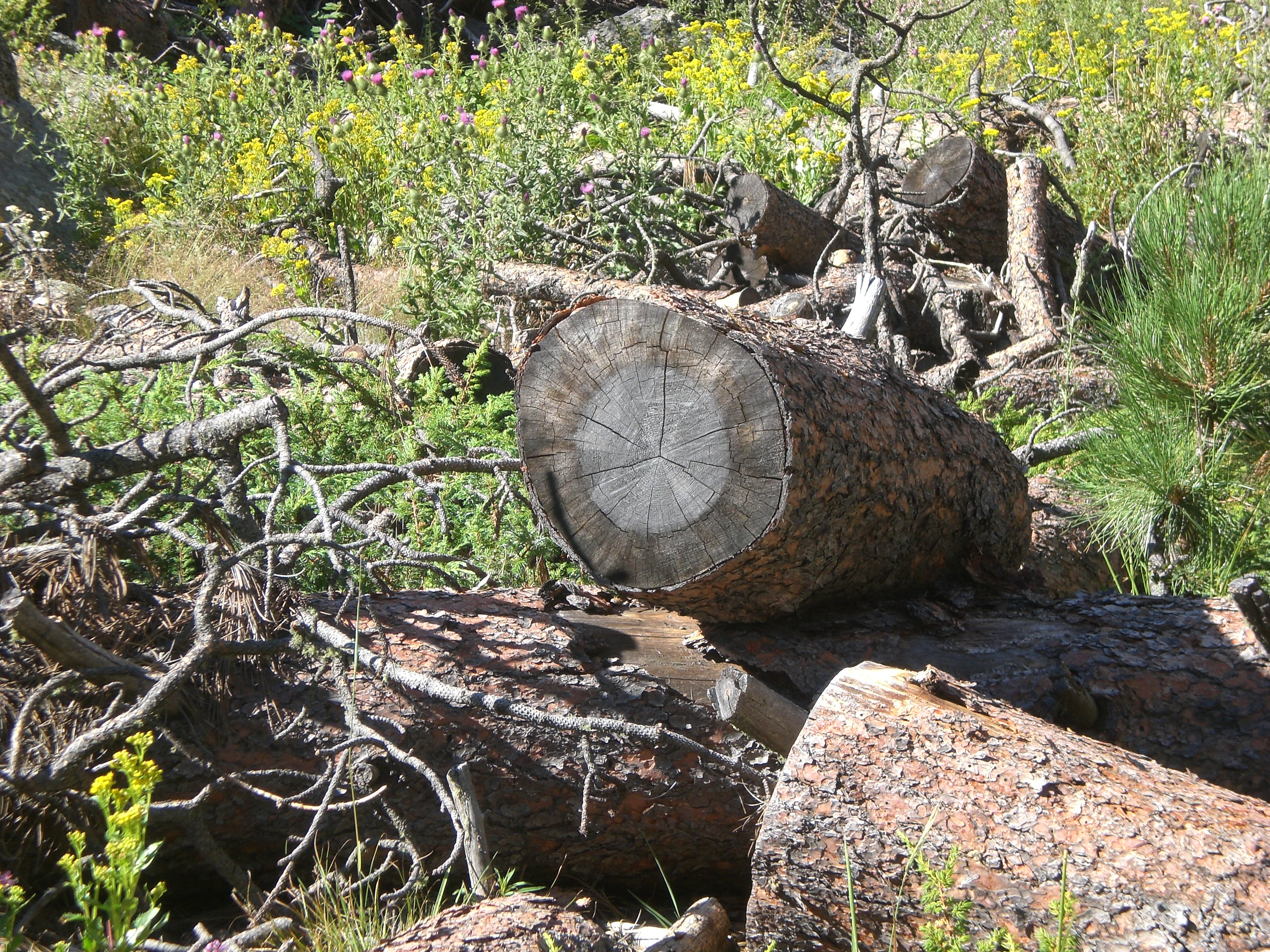
Cuttin’ & Chunkin’

Now, we are trying to stand in for that herd immunity. We want our forest back the way it was. It gave us logs, shelter and aesthetic satisfaction. So, we try to cut infected trees before the beetles can emerge. We try to trick the beetles with pheromones (the insects actually release a repellant pheromone when their host tree harbors too many beetles). We even spray neurotoxins on the trees in ‘high value’ areas, like Mt. Rushmore.

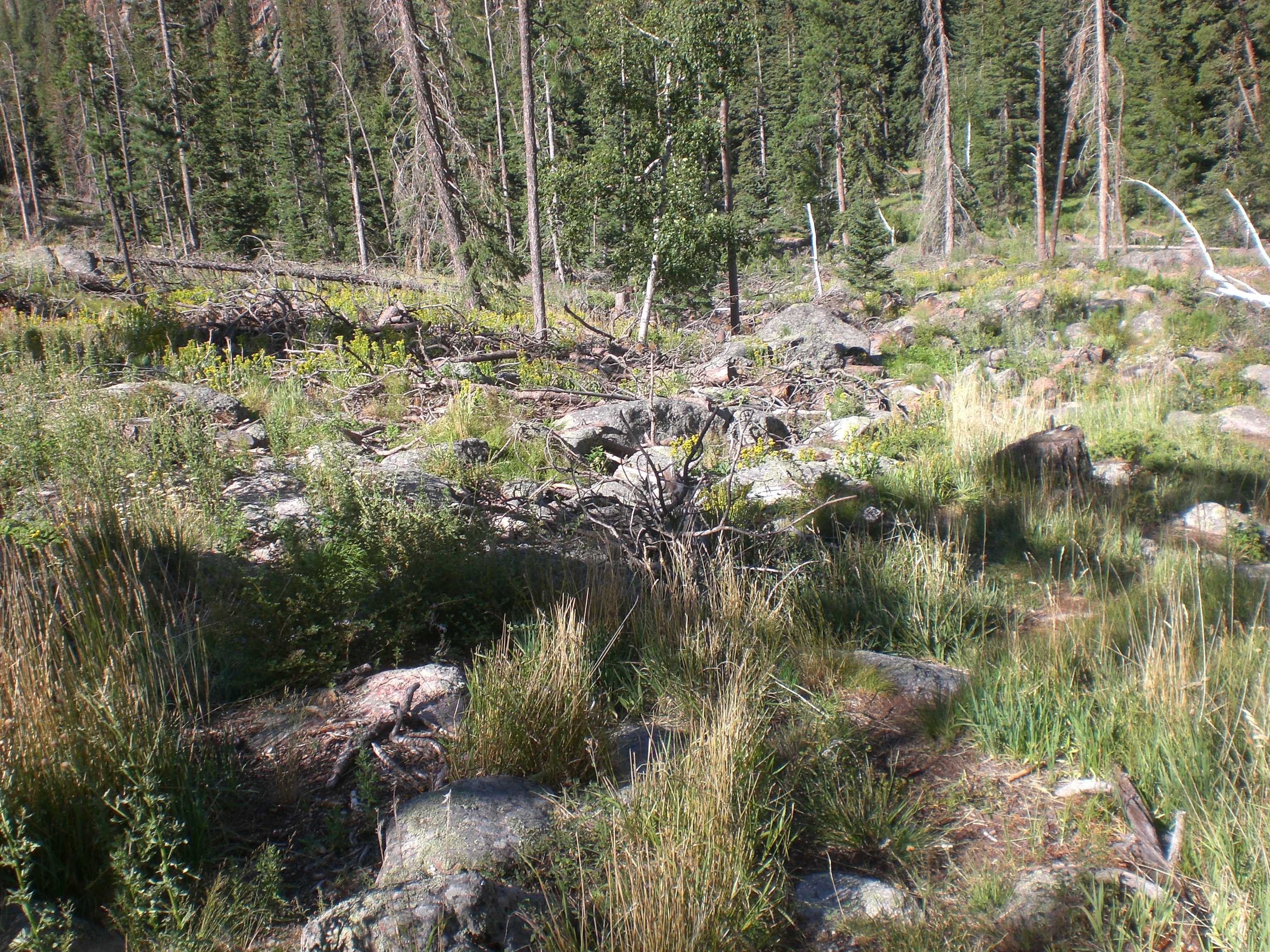
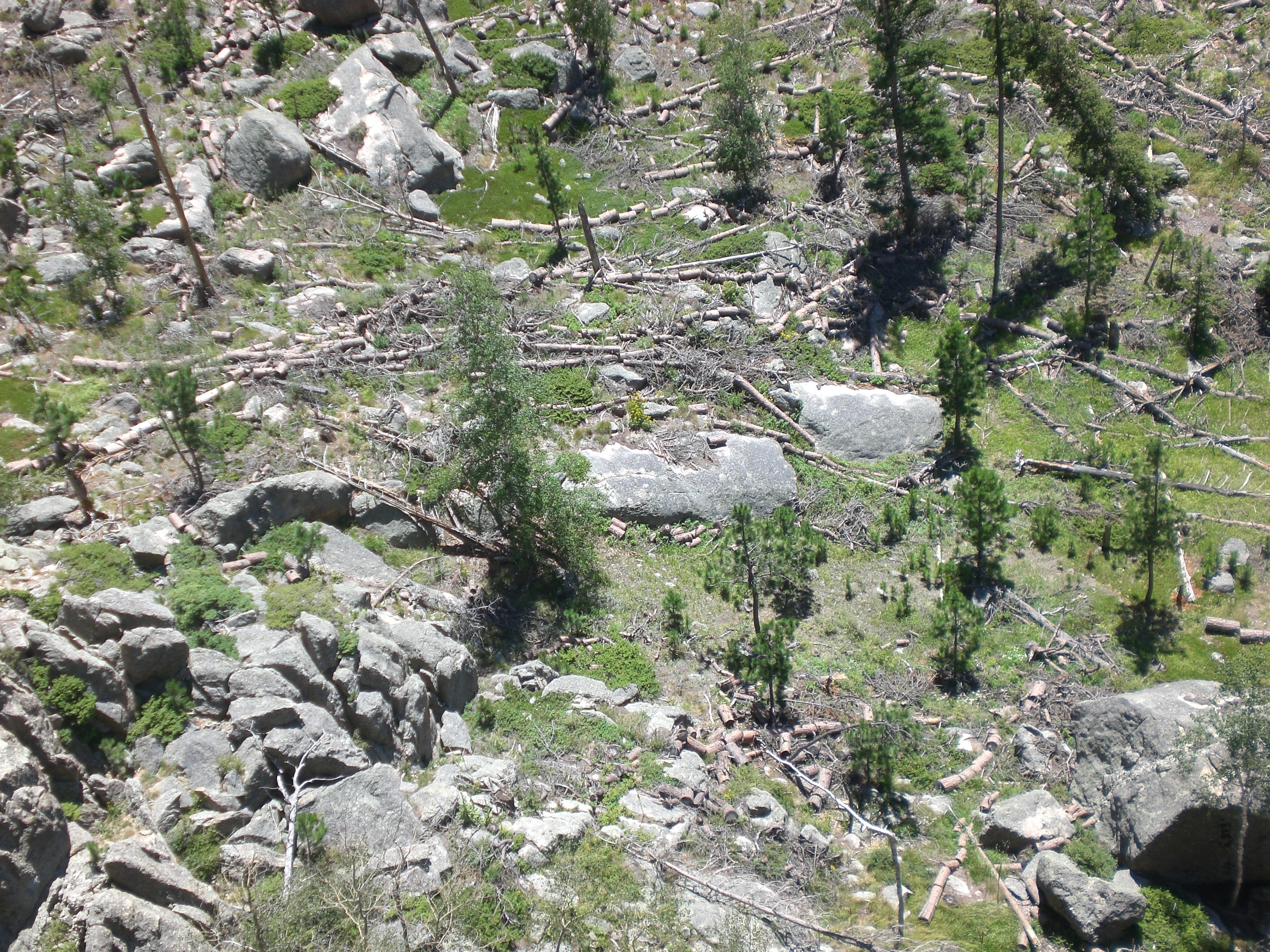
Beetle-thinned forest

Close up, our efforts look pretty smart, like a beetle attack on an individual tree looks smart, with its chemical communications, antifreeze equipped larvae, and fungal force multiplier. But just as the beetles are already doomed to population collapse by the time they start to thrive, we have already ensured that we won’t have the forest back the way we like it, simply because we liked it that way so much in the first place.

It will work out in the end. Preservation is a fool’s errand anyway. We pursue it for sentimentality’s sake, and because it makes us feel like we may be able to avoid our own eventual extinction. When the beetle epidemic is over, we will learn to like the new forest and maybe we will recognize the beetle battle as a farce. For at a proper distance, our interaction with the habitat is indistinguishable from that of the beetles. Like them, and the Lemmings, we’re condemned to a lifestyle that allows us to survive in spite of a built-in vulnerability to chaos.

Tagged , ,

Dirtbag Libertarianism

Wool, fiberfill and Scotch-guard – vintage dirtbag

In recent years, there’s been a loud discussion in the black community on the merits of the N-word. Specifically, people have disputed the value of  ‘claiming’ the word. Many have offered eloquent arguments on either side of the issue, but few have looked for lessons in history. Those lessons exist; here is a familiar and recent one.

The word ‘dirtbag’ is an honorific in the climbing world. It refers to devotees whose total commitment to the sport has led to a de facto vow of poverty. Nowadays, the word calls to mind the romanticized, early days of climbing in Yosemite, where the pioneering resident climbers, in the course of surviving in the Park, earned the label as an epithet.

The Park Service and the concessionaires saw the climbers as parasites – dirtbags who camped illegally and stole food scraps while contributing nothing to the park or society in general. The authorities were correct, too. Most of the climbers were parasites, due to lack of means and a single-minded desire to climb. They didn’t pursue parasitism, they fell into it by default, abetted by the availability of a corpulent, plethoric, degenerate host. Besides, their parasitism produced results.

Climbing  thousands of feet of seemingly impassable rock may not be worth anything to society at large, but it might buy you a word. To the original users, ‘dirtbag’  meant someone who was nothing but a worthless nuisance. A ‘dirtbag’ who could climb El Cap. might still be considered a worthless nuisance, but it was hard to say that was all they were. Plus, not all those who lived to climb were rootless kids looking for an outlet for their dissatisfactions. Always, some dirtbags chose an austere life to pursue their visions.

The latter group planned to work only enough to buy gear, subsist on cat food, and climb as much as possible. Their’s was a long-term plan, and it became a template. Over time, they emerged from the rest of the ‘dirtbags’ but never disavowed the name. Through them, ‘dirtbag’ came to mean ‘the opposite of dilettante’. So much so that modern climbers see ‘dirtbagging’ as a rite of passage and a special opportunity.

By this definition, all sorts of people, from artists to Buddhist monks, are dirtbags, and many of them have taken to using that shorthand description for their lifestyles of devotion. Of course, the original sense of the word will persist. No derogatory term can escape its origins, and the American conservative libertarian will continue to call everybody who chooses to live low and climb high, a dirtbag in the original sense of the word.

He didn’t build that wood stove, and the Yeoman farmer didn’t mine the iron for his plow. There is no free-range human.

That’s one of the good things about dirtbagging, though. There may be some true libertarian dirtbags – people who believe in the myth of the Yeoman farmer. There are precious few American conservative libertarian dirtbags – people whose credo is: “Everyone must be free; free to be just like me”. Just as being a dirtbag can teach one the difference between voluntary frugality and true poverty, wearing the word can be a reminder of the source of its negative content, and serve as a warning against perpetuating that negativity.

Nevertheless, claiming the word is a perilous trick. The term is a poisonous thing at heart, and it’s hard to play with it without getting any on you. However, some people are going to call climbers camped at a crag with nothing but a rope and a rusty Subaru to their names, ‘dirtbag’ anyway. Tucking tail and slinking away or trying to teach stupid people a lesson don’t seem like better strategies, and overall, owning the dirtbag label has worked out pretty well for the climbing community. For what it’s worth.

Tagged , , , ,

Not to Be Missed

So many climbs in the Needles merit this description. Here are two of them.

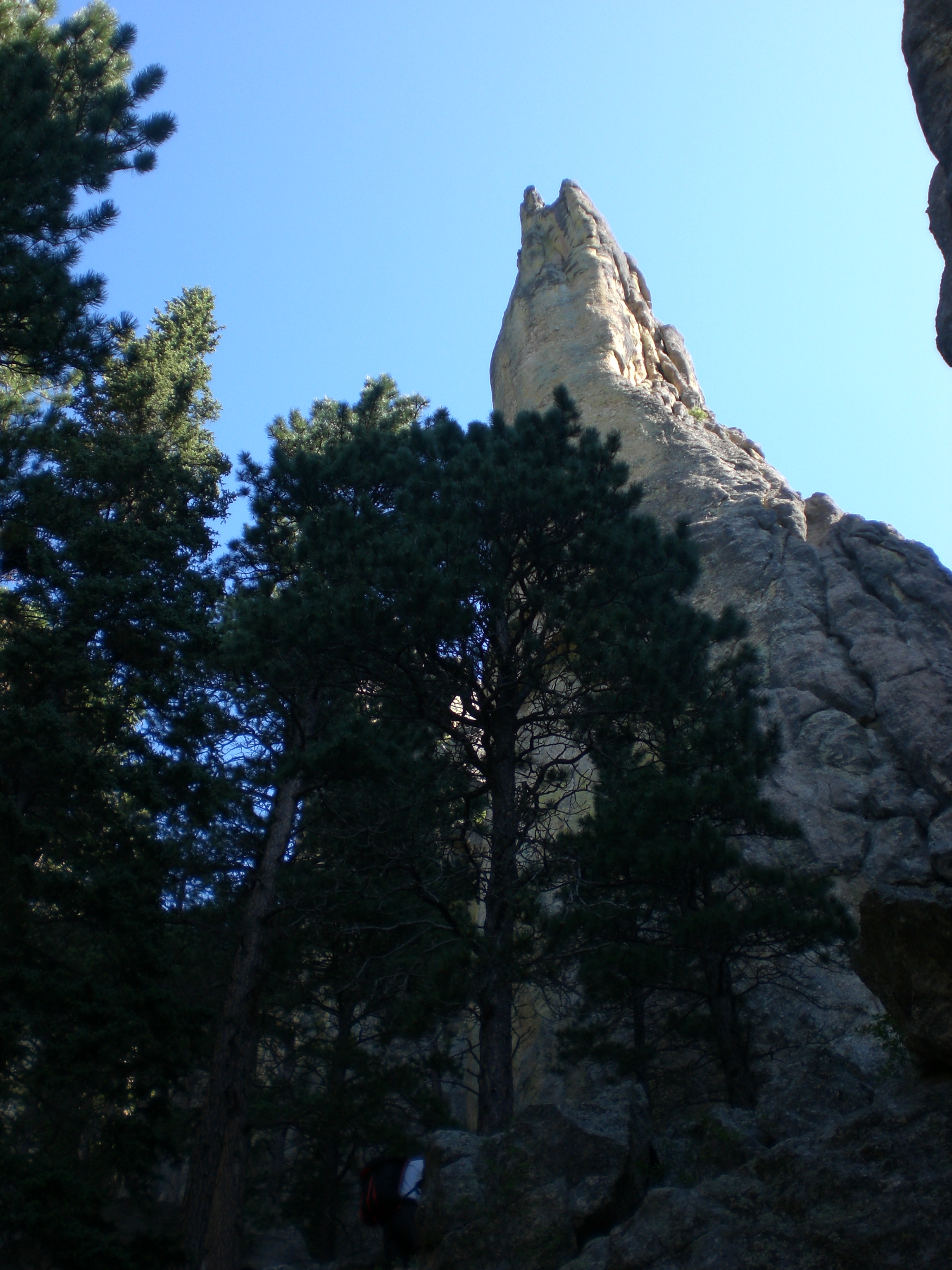
Looking up at the Cathedral Spires from the hairpin curves on the Needles Highway, one spire stands out. With its horns on top and sheer yellow sides,  Khayyam represents the Needles. It looks like a place for the bold and the elite only, but tucked away on the Northwest corner is a moderate gem: God’s Own Drunk.

The climb is two pitches, but the second is not of the same quality as the first, and is done infrequently.

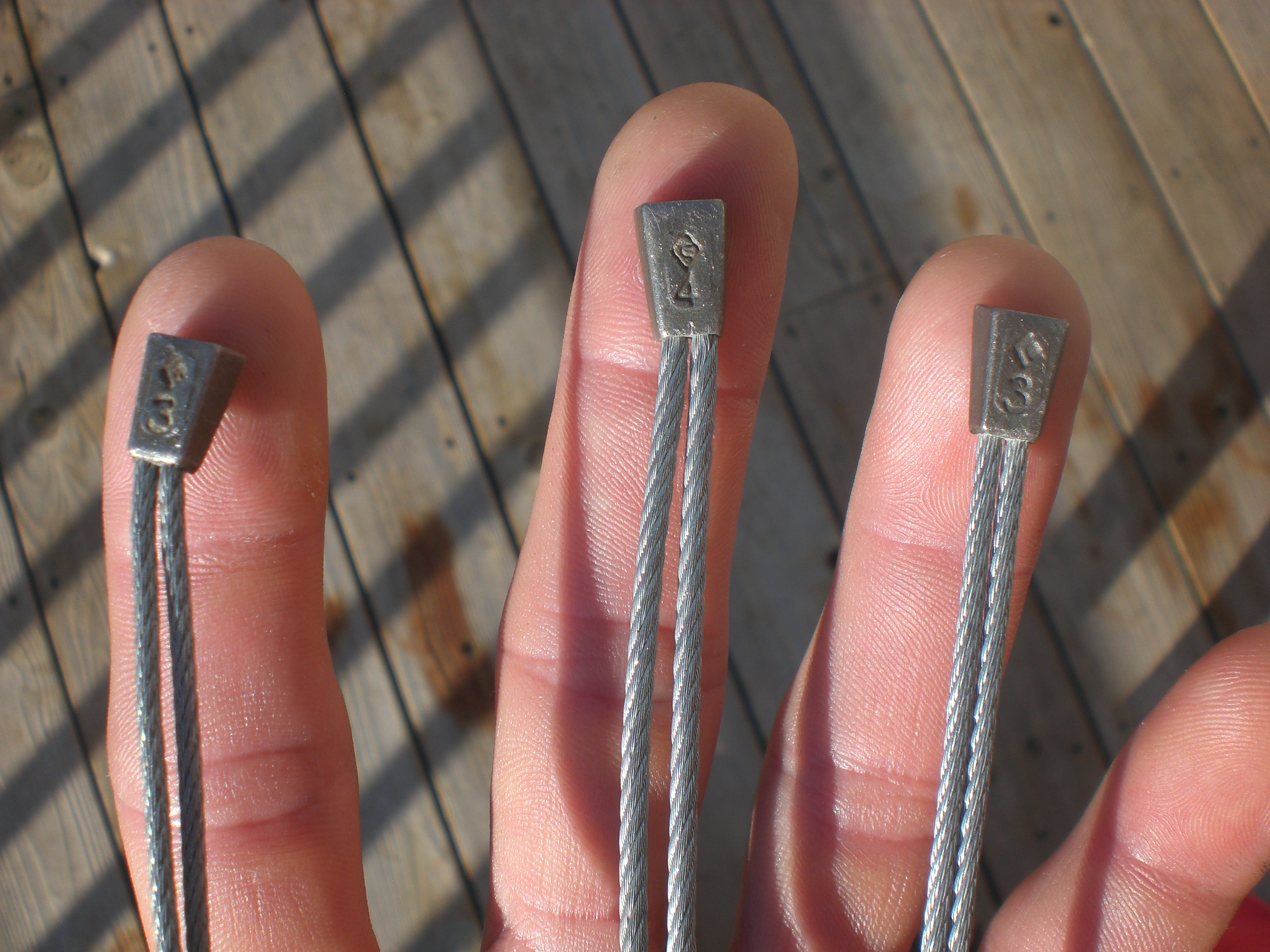
It starts with a dicey bit up an arête. A key pink tricam placement makes this section much less dangerous.


The climb continues up a crack in the corner to a belay out of sight on the right at the second set of  ledges. The pitch is long; the rap takes two ropes.

Starting the business on Hang a Right

Spire Four is known for its easy classic route on the West face. The real prize is on the other side. Hang a Right on Fourth Ave. starts in a corner on the South side of the spire. “It’s all there,” Rich likes to say. True, but it’s all steep and reversing the moves, at some points, would be desperate. Both pitches have everything, from thin face climbing, to lie-backs, to off-width. At .10b (if you’ve done a lot of Needles climbing), it’s not to be missed. Five and six Camalots will be necessary for safe passage.

Second pitch

I Don’t Get a Scooby Snack (But Then Again, Who Does?)

Being an all-around climber is like being a pig: it’s a dirty life spent wallowing in mediocrity, which garners no respect and may end early by trauma. While the rock purists are hiding from the snow in the desert, we swine are mutilating frozen waterfalls and scraping our way up icy rock with tools and crampons. When the last pillar of ice collapses in the spring and the wet snow avalanches start to slide, we must set down our tools, pick up our sticky slippers, and relearn the more delicate art of rock climbing.

Climber on El Matador

It’s a frustrating experience, but a person gets used to it. Progress is starting at a higher level and getting back to ‘go’ quicker each year. For me, that means starting on the 11’s at the Tower earlier and earlier. This year, I arrived back at my previous high point in July, and my first 11 lead of the season was Way Laid, the thin corner just left of McCarthy West Face.

Looking up Way Laid

We belayed high on a ledge where the two climbs diverge. You get to ease into the difficulties on this climb, as the corner it follows turns gradually toward vertical. Building confidence on the lower section, I made my way up the thin crack to a horizontal break where the corner gets steeper. Even as the terrain got harder, the moves felt good enough that I could enjoy the route’s puzzles rather than simply having to worry about sticking to the rock. Soon I stood below the first of two small roofs and the technical crux of the route.

Rich approaching the crux

Wedging my left foot in the corner, I stepped up into a under-cling and then latched onto a solid finger lock with my left hand. Another flared finger lock let me move my left foot up to a sloping foot hold above the roof. With my palm out on the right wall to provide counter-pressure, I moved my right foot up to a tiny edge and stood up. It all held. In fact, it felt good. As I locked my fingers into the next solid hold, I was probably feeling a little too good. The next roof went well, as did the mantel onto a narrow ledge below the final difficulties.

From the ledge, the top of the column where the route ends is very close. If you had the guts to pull up some slack and jump, you just might be able to snag the edge. When considering this plan, two things give one pause. First, to make the distance, you really ought to be able to touch the rim of a basketball goal from a standing start. The second concern is the gear. There is a bomb-proof gear placement just below the little mantel ledge.  Above the ledge though, the crack pinches down and the only protection is a nest of micro-stoppers. Overall, the situation seems to call for a less parsimonious, more controlled solution.

The three stoppers protecting the last moves

To that end, I placed my right foot on a diagonal hold out on the face and grabbed a disappointing side-pull with my right hand. A tenuous crank on the side-pull let me paste my left foot higher on the blank wall above the mantel ledge, then move my left hand up to a better side-pull above my right hand. Here’s where the unreasonable optimism from my performance at the crux came into play, along with a little pigeon shit.

View past the line of roofs on the West face

As I reached for the next hand hold, a ‘thank god’ sort of edge, I noticed a blob of guano right where I wanted my fingers to go. It looked dry, but as I prepared to sweep it away I noticed a very slight squishiness. Instead of smearing the whole hold, I left the turd lie and laid a finger on either side of it. Now my situation had changed and it demanded a reassessment and probably a little stabilization before I continued. And I would have done just that, if I hadn’t been feeling so damned good about things.

Instead, I proceeded with plan A. Moving my left hand up to an edge that would prove a very good hold once I swung my feet around, I cut loose my left foot and tried to swing my right over to a hold on the edge of the column. With no potential to generate lateral force on the crappy hold, I couldn’t make it happen. With the holds now well below and to the wrong side of me, my feet blew off entirely and started to make the sound that a startled Hanna-Barbera character’s do as they scrabbled for friction on the wall.

Finally, I let my legs hang and resorted to the ‘skills’ gained from all those hours of training in the basement. I skipped my left hand up to a slightly better hold, then my right, just like working the campus board. At last, I flopped onto the apex of the column. It wasn’t the graceful finish I wanted, but it was controlled. I guess I ought to just be happy with not having tested out those micro-stoppers.

Climbers atop the first pitch of El Matador

Tagged , ,

Oxidative Stress

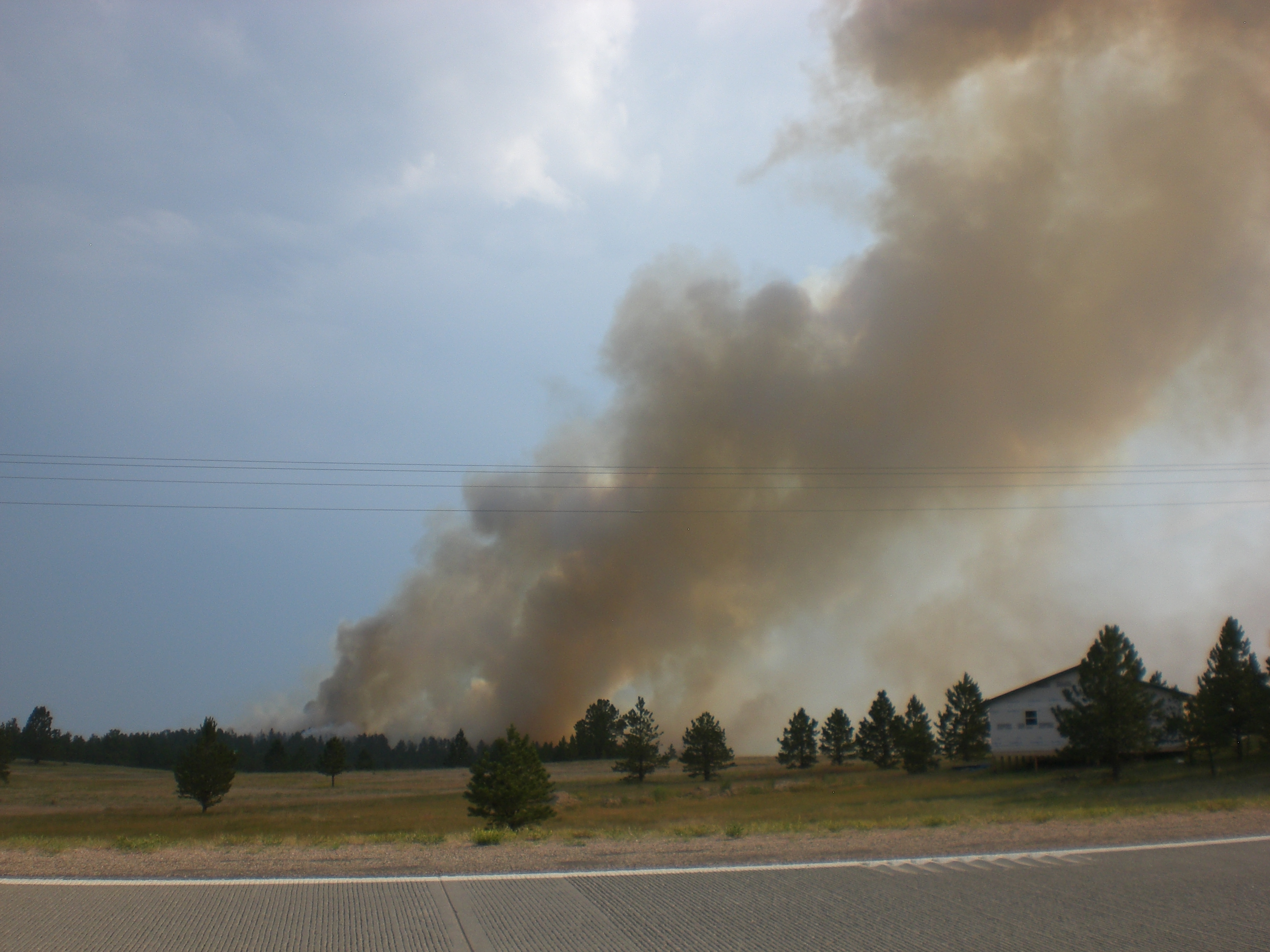
Weston County caught fire Sunday. On the way to the Needles, the air was clear and the land, peaceful. On the drive back, the trees were exploding and the sky was filled with buzzing aircraft and stinging smoke.

As I waited with the other cars for a grader to pass, I got to watch fire-fighters scramble for their trucks as flames popped out of a 40 foot pine less than 10 meters from them. They were experiencing severe oxidative stress. Scaled back and slowed down, that moment captured my whole day.

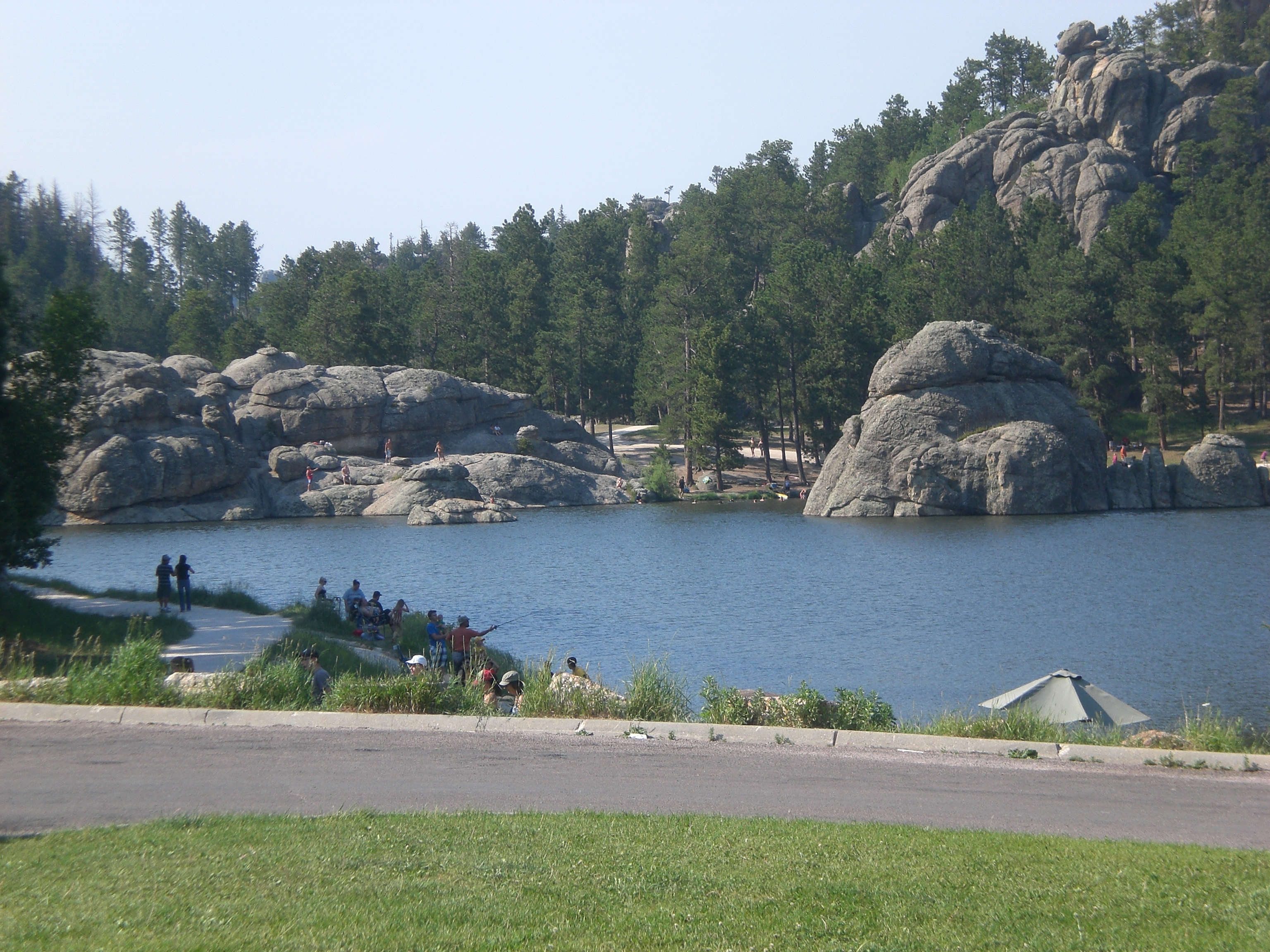
With temps in the upper nineties, our climbing choices were limited to the Cathedral Spires or Sylvan Lake, the best places to chase the shade. There’s an off-width with my name on it in the Spires, so I begged off that option – too hot, I insisted.

I wanted to climb Shelob before the day was over. This route is a Bob Kamps classic, a steep series of cruxes protected by just enough bolts and gear to make it reasonable. If I’d had my way, we would have gone right over to it. Instead, we warmed up.

The actual warm-up, the first route, made sense. It was a 5.7 crack named what every good 5.7 crack in every climbing area in every part of the world is named: Classic Crack. The second route, ostensibly part of the warm-up, was, in retrospect, what sealed my fate.

I believe the route is called Four Play (apparently lots of lonely climbers roaming the Hills back in the day – watch for a pattern in the route names). Though it is a slab and gets a low difficulty rating, it is a route made to make anybody look bad. It follows a line of greasy feldspar crystals up a nascent groove in the rock. Most people step back and forth several times trying to find the best way through the lower section. The generous gaps between the bolts add to the sense of insecurity and the angle permits indecisiveness.

With fingertips and toes feeling a little tired, we slogged up the other side of the little valley to Shelob. This is one of my favorite routes at the Lake because I can cheat my way through the crux. An alpine climber at heart, cheating makes me feel clever and I am proud of it whenever I manage to weasel my way through a challenging bit of climbing that would otherwise demand skill, strength or boldness.

The first moves are steep, but straightforward up to a couple of bolts. Then a pair of cams in a horizontal crack protect a few moves through a bulge. A fall on those moves would be bad. The cams would hold, but you would brush the ground, at best. Three boulder problems, protected by bolts, follow, then a step up and right to the little roof and corner which constitute the crux. Once I peek over the lip of the roof, I can set my feet on some good holds below the roof, lay my left side and shoulder against one side of the corner and apply counter-pressure. This allows me to rest while I place a pair of micro-stoppers to protect the move over the roof. I can then step high with my right foot to maintain the pressure and just wriggle my way up the wall until I get to the next good hold. It was just as beautifully uncouth this time as the first time I ever did it.

The diagonal crack, Sex Never Did This to My Hands

Perhaps I was feeling too smug coming off that success. I felt like finishing the rotation with a route on Vertigo View called Sex Never Did This to My Hands. It’s only 5.8. Plus, it’s a crack. It’s a diagonal crack though, steep, crusty and irregular. Much of it is just wider or just narrower than a clenched fist.

I felt a peculiar sense of fatigue as I skirted the small roof at the bottom, but I wasn’t worried; I had climbed this route many times before, and I had just waltzed up Shelob after all. About midway, the tape sweated off my right hand, and when I got to the hard part the back of my fist was slick with more sweat and a light sheen of blood. By then, I was cooked.

Tape vs. No Tape and why the route is named as it is

Fermenting like mad, I tried to pull through, but realized I couldn’t get to the next stance with enough left to place gear. I managed one and a half moves back down before I had to disengage. Eighteen feet later, it felt like my cheap rope delivered every bit of the 8.5 KN of impact force it allows right to the leg loops of my harness.

Deflated and burdened with what I am convinced were actual crystals of lactic acid in my blood vessels, I climbed back up to check the tricam that saved me, then staggered on through to the anchors. From the top, I could see smoke in the distance.

As the line of motorists watched those poor bastards scrambling to save their fire truck, I’m sure some of the observers questioned the fire fighters’ decision to park where they did. I wasn’t among the critics. I was thinking that the firemen probably thought the situation was more manageable than it turned out to be, and I was reluctant to blame them for that. Hell, I know that’s the reason most of them were out there in the first place. Civic duty be damned, some folks just need the oxidative stress. It’s the kind of love-hate relationship that keeps you going.

Tagged ,

Whatever

The healthcare reform law is still alive and the squabbling surrounding it, too stupid to live yet too overwrought to die, is reanimated. Here I go, unable to resist the smell of brains, shambling back into the scrum with the rest. In my own defense, I work in the non-systematic system this law purports to reform. I also have something more constructive to mumble than “Brains, brains!”.

Just look at the objective of the law. Its primary aim is to finalize the conversion of the health insurance industry to a healthcare financing industry. In other words, to convert it from Lloyd’s of London to GMAC. This objective is very modest, as the industry is already two-thirds of the way there. Kaiser, with its souped-up HMO model, is almost all the way there. By finalizing this transformation for the whole insurance industry, the authors of the law hope to provide universal access to healthcare and control costs. These goals are not so lofty as they first appear. In fact, the second one may not be possible by legislative means at all.

We already have universal access, just not rational universal access. Call 911, and someone will come to help you without checking your credit rating or insurance status. Go to the clinic because you have symptoms of diabetes, and you will not get the same courtesy. You must wait for the ensuing heart attack or coma.

Objections to universal access must start with what we already have, and I think these objections, since they have life and death implications, require some earnest gesture before they get serious consideration. I’d propose an opt out. If you think our polity should not concern itself with the physical well-being of its constituent individuals, please tattoo a Gadsden flag across your forehead. Then we can demand payment up front if we find you bleeding by the roadside or keeled over on the sidewalk, or we can simply choose to pass you by. Until you bear that mark, you won’t be taken seriously.

The legitimate objection regarding universal access relates to efficacy. Giving people financing, and thus access, doesn’t mean they will automatically access healthcare rationally. They will probably do a little better than they do now, but the cost control envisioned in the law depends on people doing a lot better at seeking care rationally. People probably won’t live up to that expectation.

Market forces are the problem. Efficient choices in healthcare are difficult. Even clear-cut problems often require some technical knowledge to allow for good decisions. For ill-defined problems, not even the experts can tell the consumer what he or she is buying. So, the consumer must make purchases based on emotional facts rather than physical facts.

From the perspective of emotional facts, healthcare choices break down into two broad categories: care we care about and care we don’t care about. Care we care about is reassuring care and impressive care. Reassuring care is any care that addresses illness we fear, like cancer. Impressive care is care with visible, immediate, dramatic results, like open heart surgery. Care we don’t care about is public health and chronic care, especially if it is merely preventative.

Among these two sets of choices are tests and treatments that are expensive and effective, cheap and ineffective, expensive and ineffective, and cheap and effective. The market favors care we care about, without regard to those sub-categories. Allowing people to participate in the market alone won’t help control cost, for this reason.

Agency is necessary to sort care rationally, in the light of physical facts. Physicians have been the de facto agents up to this point, but they really haven’t wanted the job and therefore serve the role poorly. A financing company might be able to act as an agent, but would be limited to guiding choices among preexisting options.

The Affordable Care Act contains some elements that gesture in the right direction, like ‘death panels’, ( guidance on end of life care). People don’t like those elements because they seek to rationalize, and thus ration care, which entails a loss of autonomy. People are loath to cede autonomy to any agent, especially a visible yet impersonal one like a panel, real or imagined. Until doctors choose to willingly alter their practice and fully embrace the role of agent, everyone will continue to get expensive and ineffective care we care about, and do without cheap and effective care we don’t care about.

To that end, the recent fights over USPSTF recommendations for cancer screening are the sort of fights we need to be having. We’ll see if the political process will allow those fights to go on and spread. As for the ACA, whatever, it’s a start. At least it doesn’t propose to expand market distortions until care is rationed by price alone or beg for a forehead tat.

Tagged , , ,