Tag Archives: rock climbing

Marginal Behavior

Climbing with kids is always iffy. Multi-pitch climbing with kids can be asking for trouble. It isn’t guaranteed trouble, it’s just a set-up that, given the arrangement of the pieces, makes you think twice. It is important to start with low expectations and treat the whole enterprise as a sort of upward rescue.
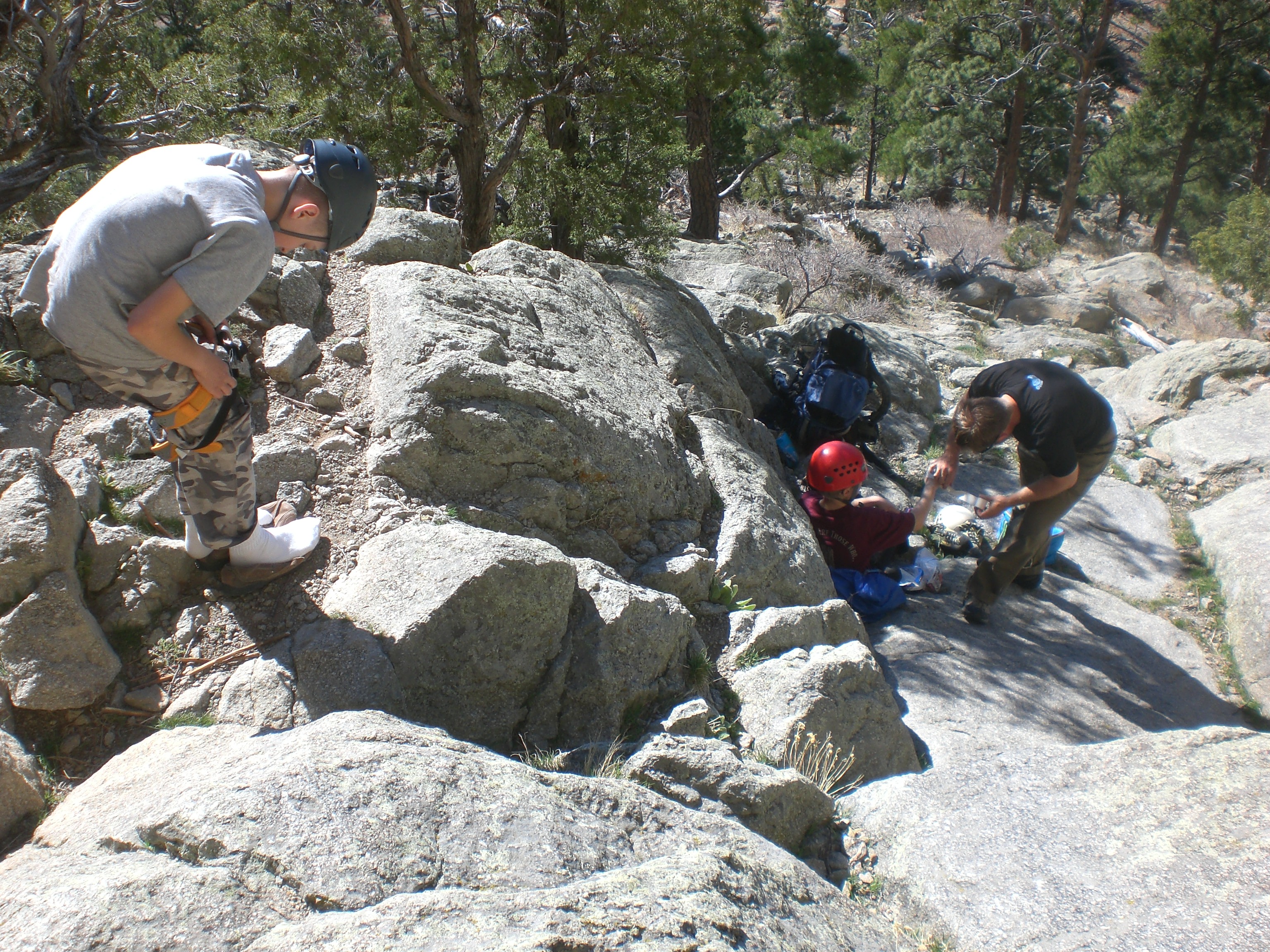
The great thing about climbing with kids is that they bring kid foolishness, which is plain and transparent,  to the climb rather than adult foolishness, which is deep and opaque. Kids aren’t going to tell you their knot is good when it isn’t. Kids may horse around on the belay ledge, but they aren’t going to unclip from the anchor so they can move around to get a better picture.
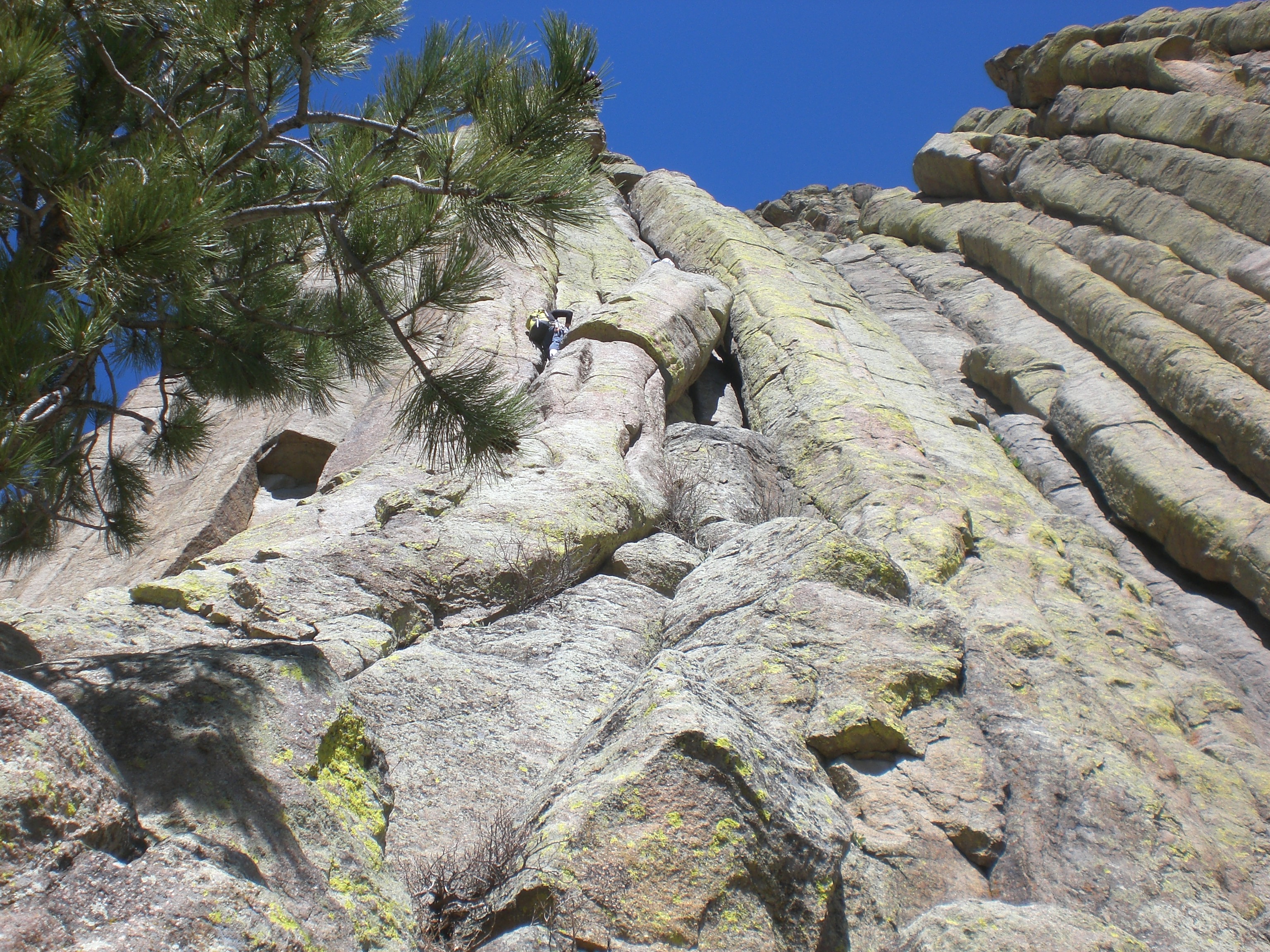
By the same  token, if  kids are going to freak out and freeze, it’s probably going to happen in the first twenty feet, when they realize the gravity of their situation, rather than three pitches up when their ego collapses.
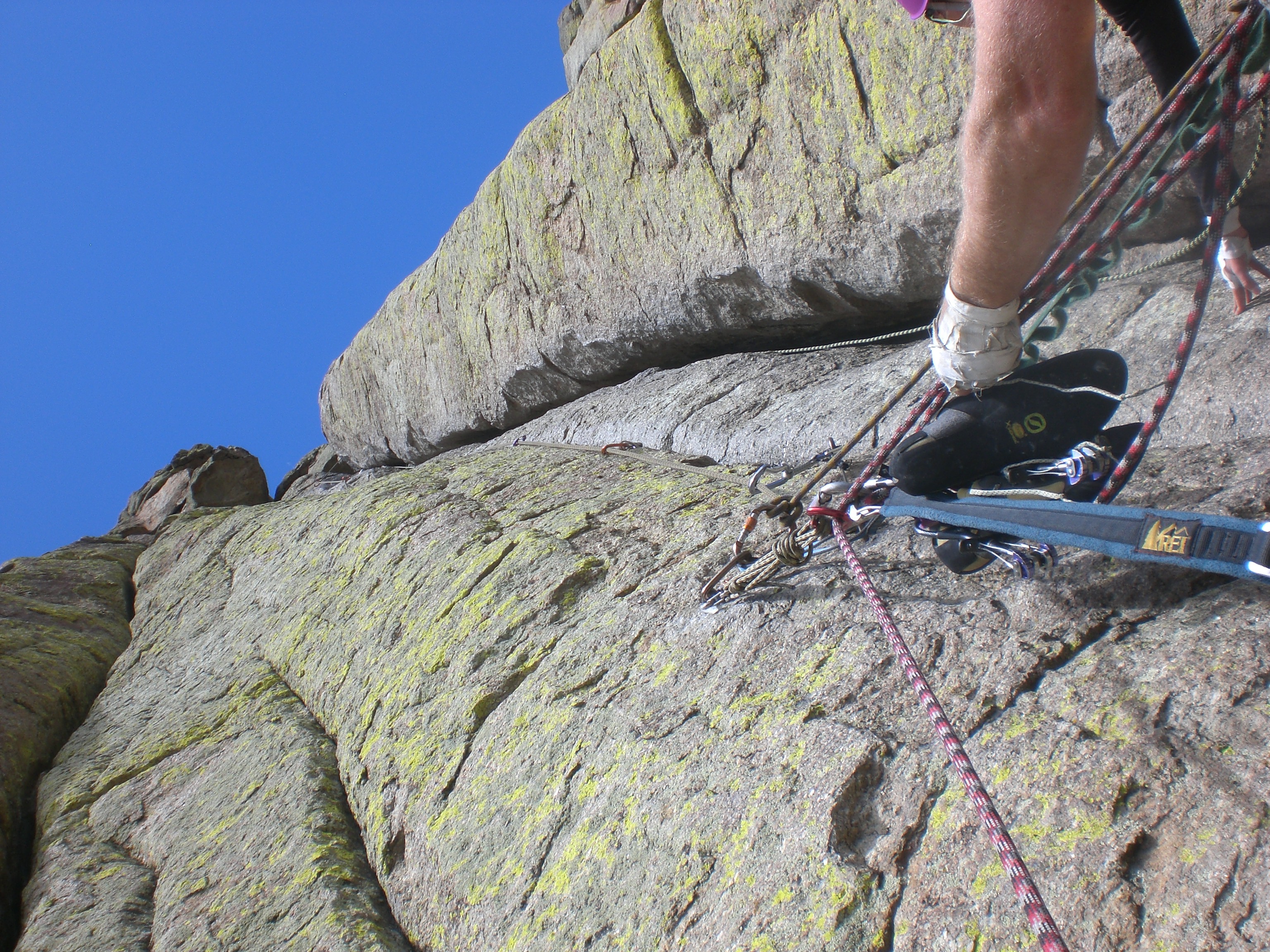
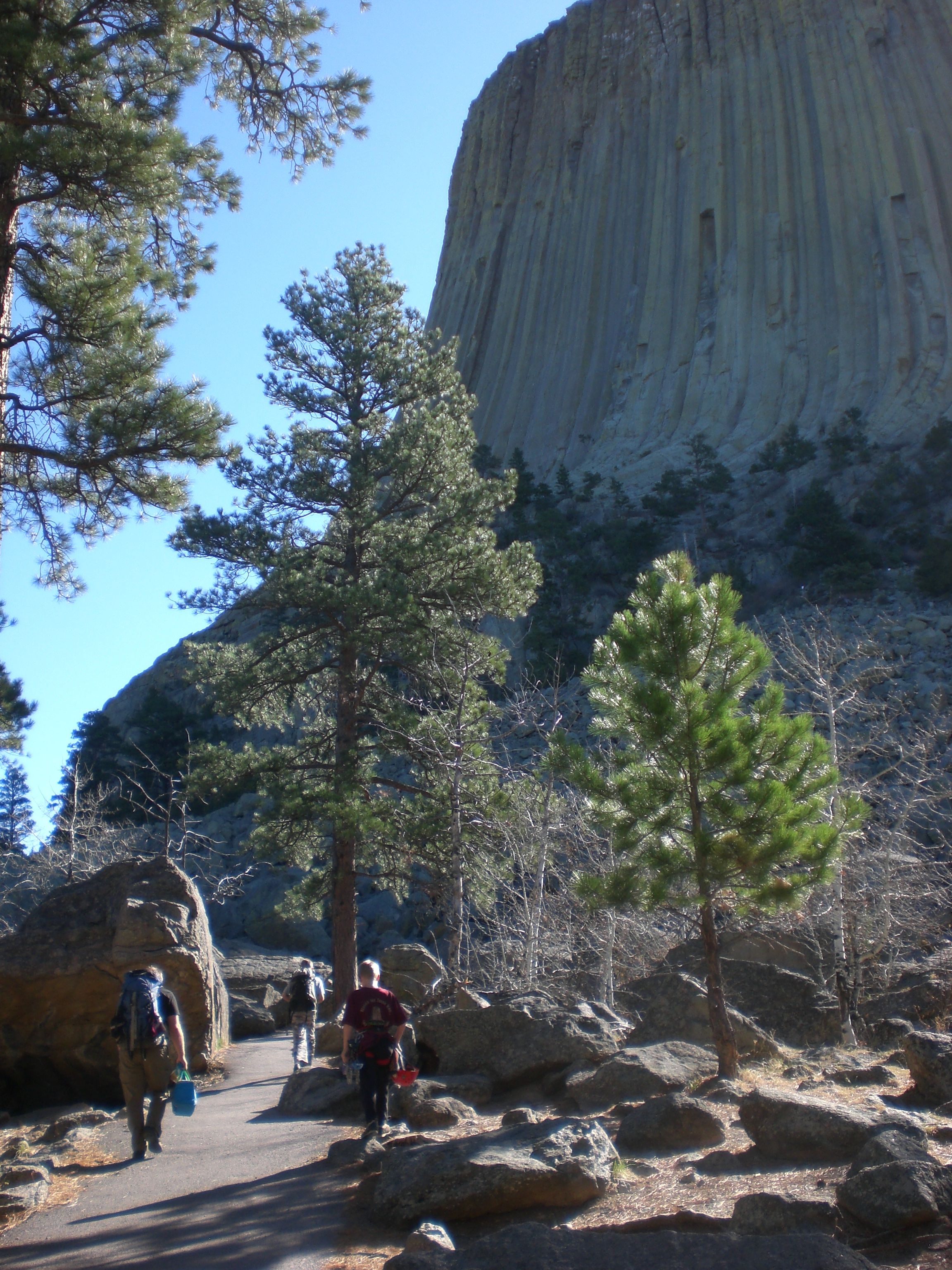
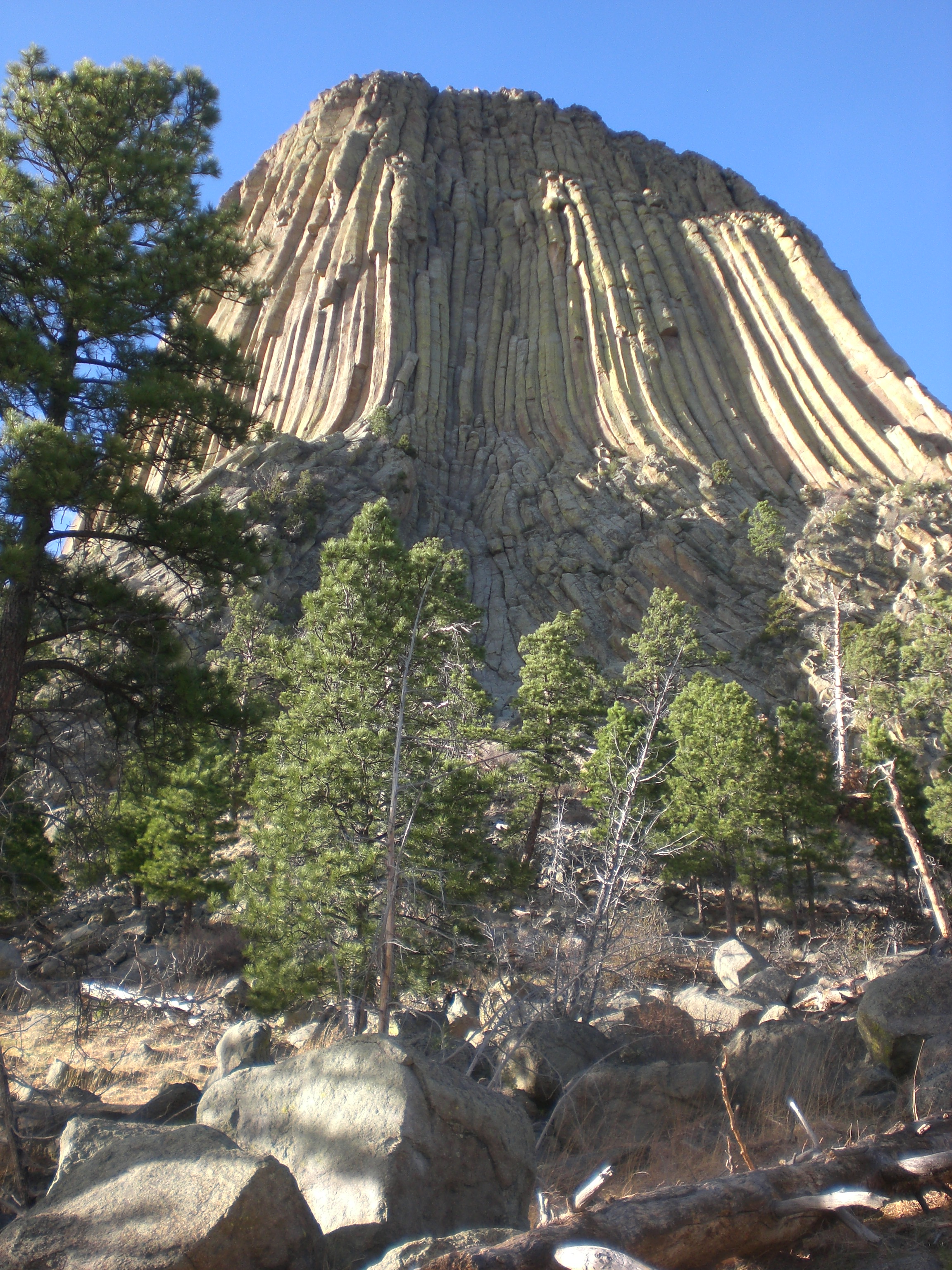
When we started up the Tower with our 11 and 12-year-old boys, Mike and I had all these things in mind. Being veterans of soul-searing alpine epics and dicey retreats, we had a reasonable degree of confidence we could pull it off. Experience like ours builds an expertise in Redneck Rescue – an improvisational method of crisis management that is effective, but lacks the smoothness and consistent redundancy of a professional approach. Of course, professionals avoid crisis situations in the first place, so what do they really know.
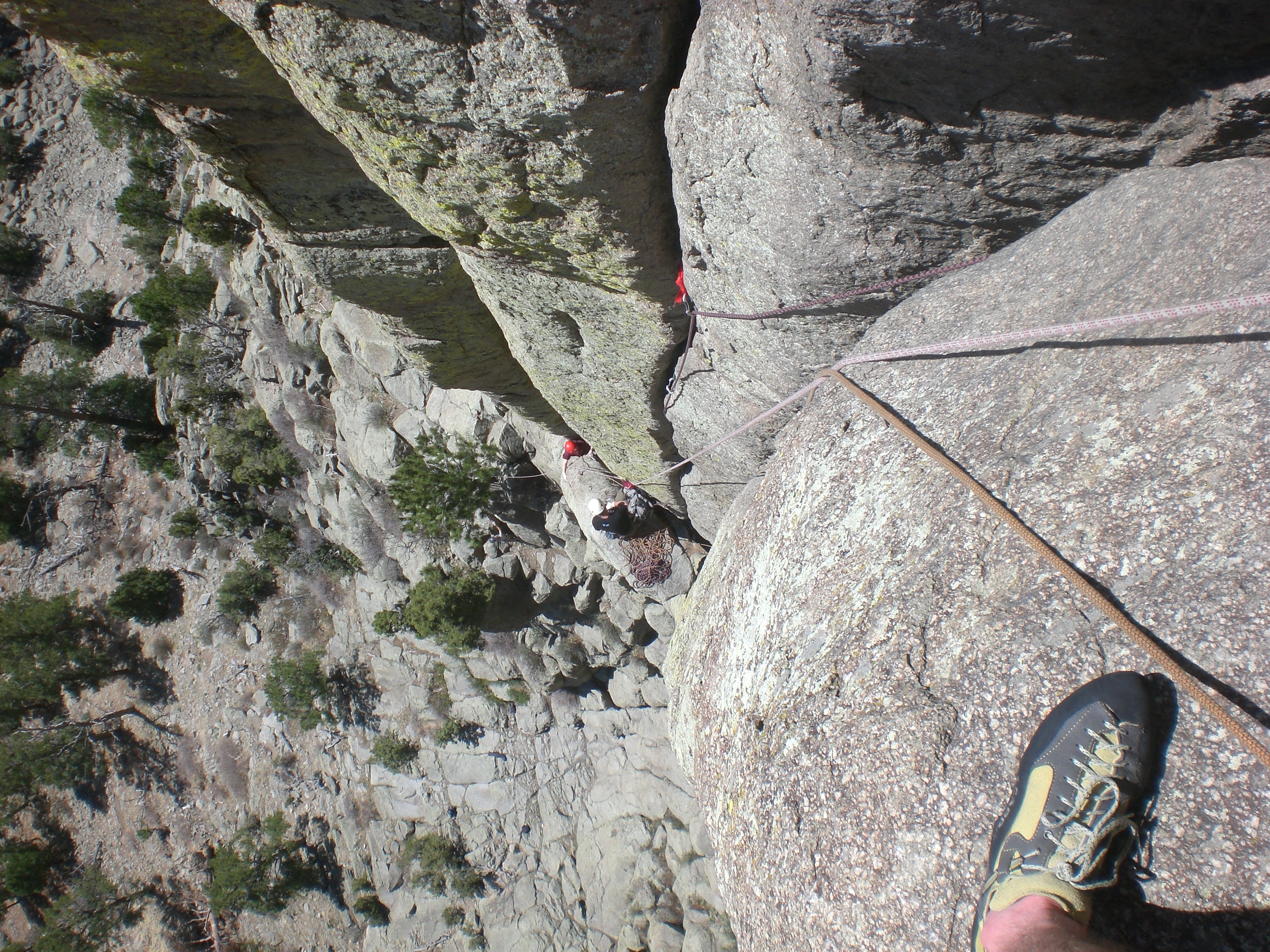
Rowan, the older kid, had seen the method in action. He had climbed the Tower with me the year before. The way up was tough and he just squeaked by the crux pitch, but the descent was a horror show. A thunder-storm caught us and we had to descend the ropes through hail, wind and lightning. It affected his motivation for the current day, I could tell. Jack, the younger kid, had never climbed the Tower, so he had no reason to fear it.
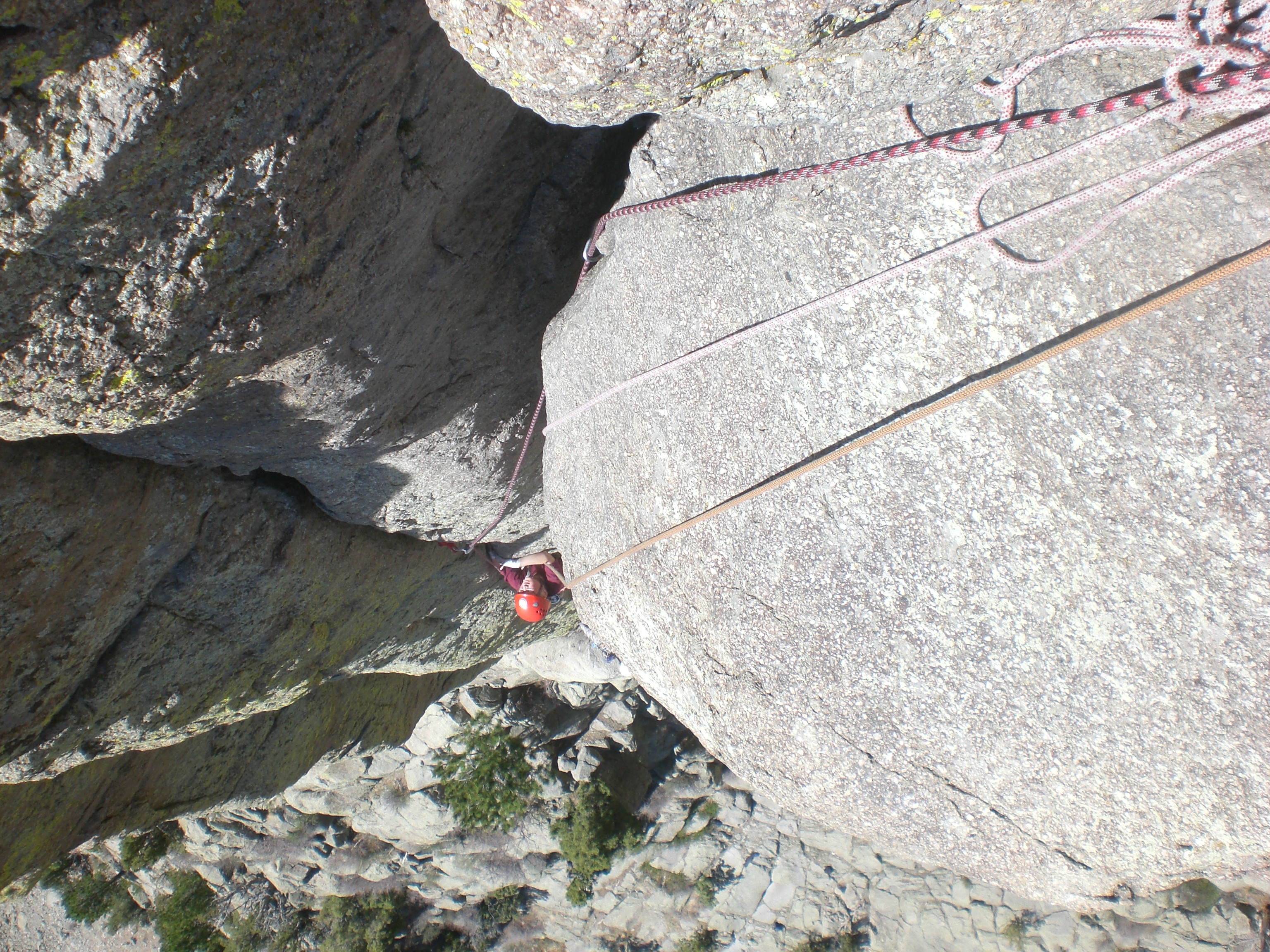
 

Rowan folded at the crux pitch; Jack’s curiosity and ambition led him on into the wide crack and stemming problem. I had the opportunity to belay him on the pitch and the experience was the same as every other time I’ve belayed a kid on difficult climbing. It’s a lot like deep-sea fishing would be, if you could hear what the fish was thinking.  You brace yourself, pull, reel in line, all to the sounds of desperate effort interspersed with whimpering.
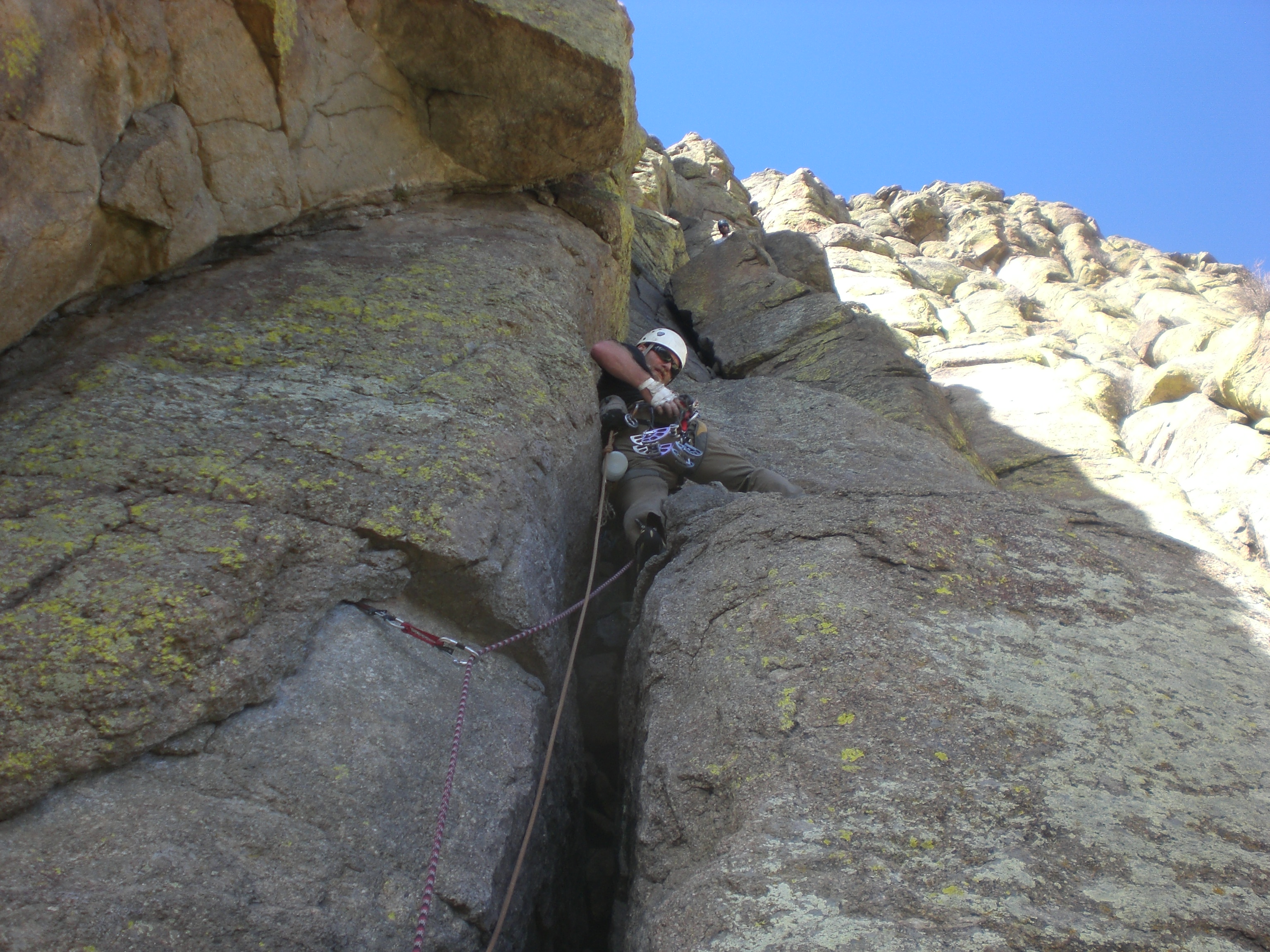
On the belay ledge, once he stopped shaking, I could see a familiar light in Jack’s eyes. He’d gotten by the hardest thing he’d ever climbed and now his teeth were locked on this project. Jack was going up, but Rowan was going down. He wasn’t upset, he’d just made his decision and would not be continuing.
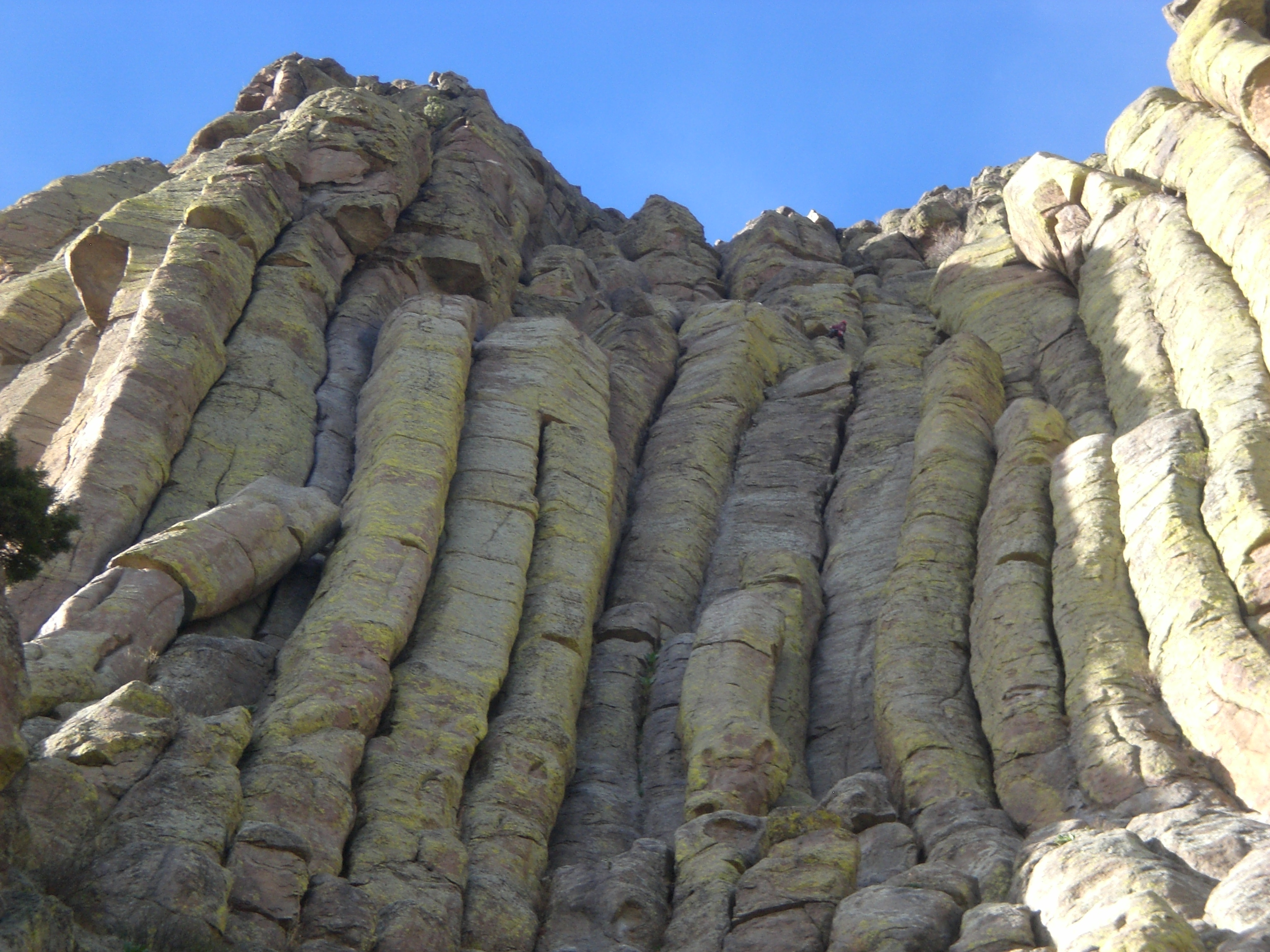
Splitting up the team is a core skill in Redneck Rescue. After batting the question, “OK, so what is going to happen..?” back and forth for a few rounds we completed the hand off and Mike continued to the top with Jack while I took Rowan down.
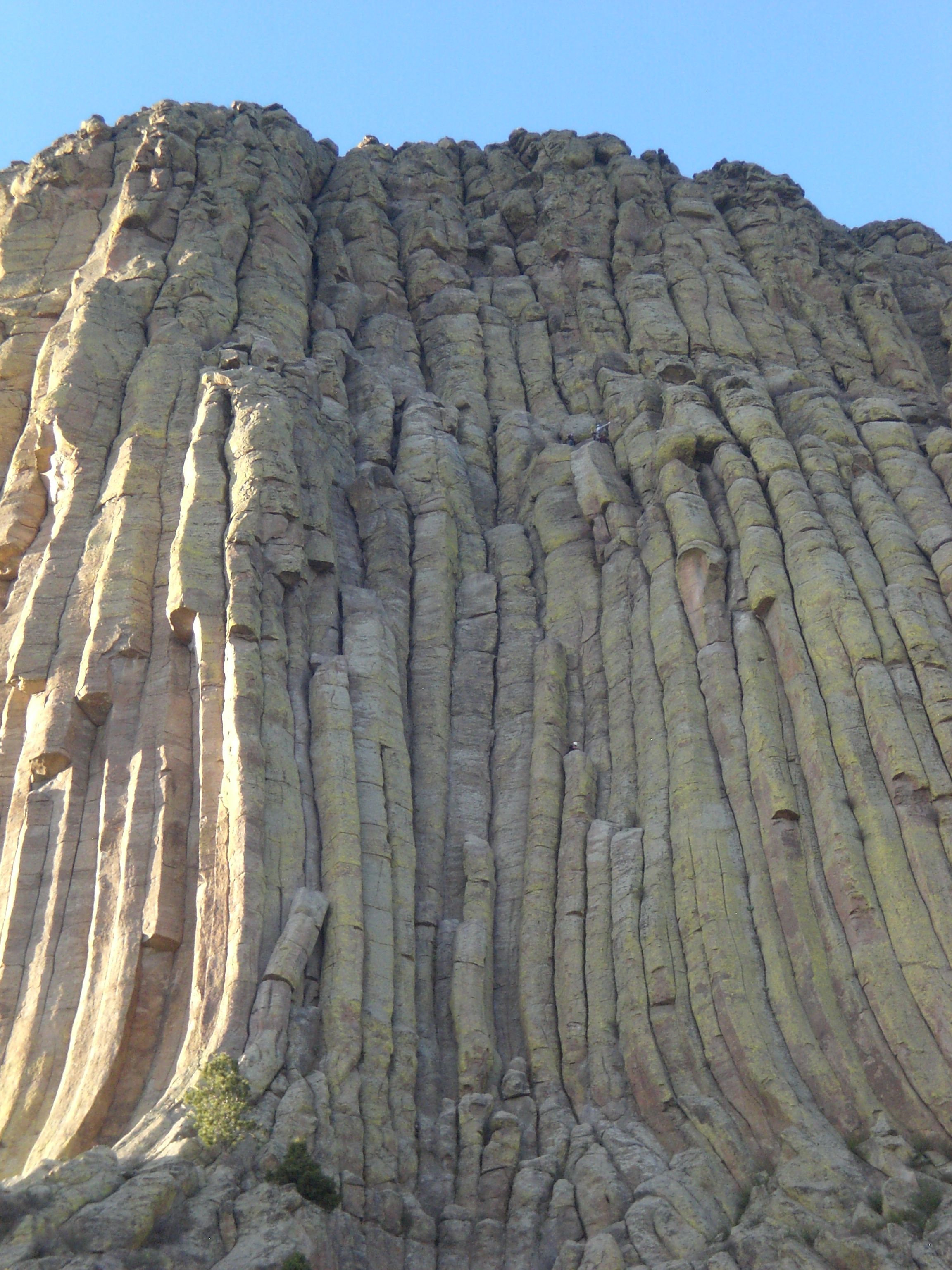
It was a long wait at the bottom while Mike and Jack finished the route. An adult would have spent the time moping and feeling impatient. Rowan spent it trying to figure out why rocks bounce. I got to watch the light change over the Belle Fourche River valley without having to think about anybody else’s emotional weirdness. I wouldn’t want to do it every day, but I like climbing with kids.


 

Tagged , ,

Spray and Beta : Climbing Social Media

In college freshman English, we had to read Beowulf. The assignment was onerous for most of my classmates, but one woman seemed to suffer above all. She sighed and rolled her eyes through every class discussion; I expected a convulsion at any moment.

And finally, it came. During a passage where the hero holds forth about what he’s going to do to Grendel’s mama, she burst out, “You know, that’s what I hate about Beowulf. He’s constantly bragging and showing off. In fact that’s all this whole story has been about. It is the shallowest thing I’ve ever read!”

I was dumbfounded. “No,” I offered,” it’s not bragging, it’s a kind of oath. He says all those things, in front of those people, there’s no way he can come back empty-handed.”

Beowulf’s soliloquy was Spray. Even back then, when I was a measly scrambler armed with a piolet, the climber inside me recognized it. Since the beginning, when climbers have encountered other climbers, they have sprayed about what they did and what they were going to do. From Cham, to Sheffield, to Camp 4, if you talked smack to those in the know, when you sobered up the next day, you had to fulfill your destiny.

My brother used to yell at the TV. He had all kinds of advice for the Dallas Cowboys’ offensive squad. He really did know something about football and often the coaches would actually do what he yelled at them. Nevermind he had never played football. And, he was 12 years old. But he didn’t seriously think he was advising the team. The tirade was just a means of vicarious participation. In climbing terms, it was Beta.

Spray and Beta are not such bad things in person. You can see the sprayer getting wound up to do something. The Beta, though it can be a little much, has an encouraging tone. However, Spray and Beta shifted to the internet, stripped of tone and context, come across like bragging and showing off, and the result is the shallowest thing you’ve ever read: climbing social media.

Of course, few things are all bad. The four main climbing sites, (Mountain Project, Rockclimbing.com, Summitpost, and Supertopo), have some great photos, gear reviews and  trip reports. In other words, with some editing they’d make decent online magazines. The problem is, they don’t have a good editing process and they don’t want to just be magazines, they want to be guidebooks and chatrooms as well.

The community content guidebook is a guaranteed failure. A good guidebook gives the reader a sense of the area, provides inspiration and gives enough specific information to get a climber up the routes without sucking the adventure out of it. To effectively accomplish those tasks, the guidebook needs the unity of purpose a single author/editor provides. Otherwise, it ends up a pile of puke – you can sort out a few savory bits, but they are partially digested and tainted by the mix.

A chatroom might seem like the ideal internet venue for climber Spray, but think back to Beowulf for a moment. When he stood up to Spray, the audience could see his scars, his sword, and the crazy in his eyes, and he could see that they were not much different. Participants in an online forum are just lines of type with silly pictures next to them. The people behind the words may be anchored to their chairs, a wide load in their khakis, a coke and a sandwich their only comrades. In such circumstances, Spray inevitably devolves to wanking.

So, save yourself the trouble and buy a reputable guidebook if you want to go climb in a new area. And if you want to look online for information or inspiration, stick to regional sites like Gravsports or Montanaice.

 But for those who love bad movies, Twinkies and True Stories of the Highway Patrol and can’t help but lurk – I mean look (and I’ll confess to all of  that), here’s a quick rundown of your climbing social media choices:

Supertopo: Cali-centric with some (intentionally) amusing forum topics and good gear reviews. Typical user may have some difficulty urinating, may also be a member of Mountain Project. Mostly about rock climbing.


Summitpost: Cosmopolitan, with the best fund of information. Typical user is chronically constipated, may also be a member of  14er’s.com and eHarmony. Mostly about mountaineering.


Rockclimbing.com: Some interesting and (unintentionally) amusing forum topics. Typical user sleeps in a bed that has a canopy or is shaped like a race car, may also be a member of Access Fund and Explorer Scouts. Mostly about what the name says, more sport than trad.


Mountain Project: Colorado-centric with great photos. Typical user owns a letter jacket and loves to give nuggies, may also be a member of Supertopo or Summitpost and a porn site. Mostly about trad climbing.

Tagged , , , , , , , ,

Should You Be Trapped in a Basement

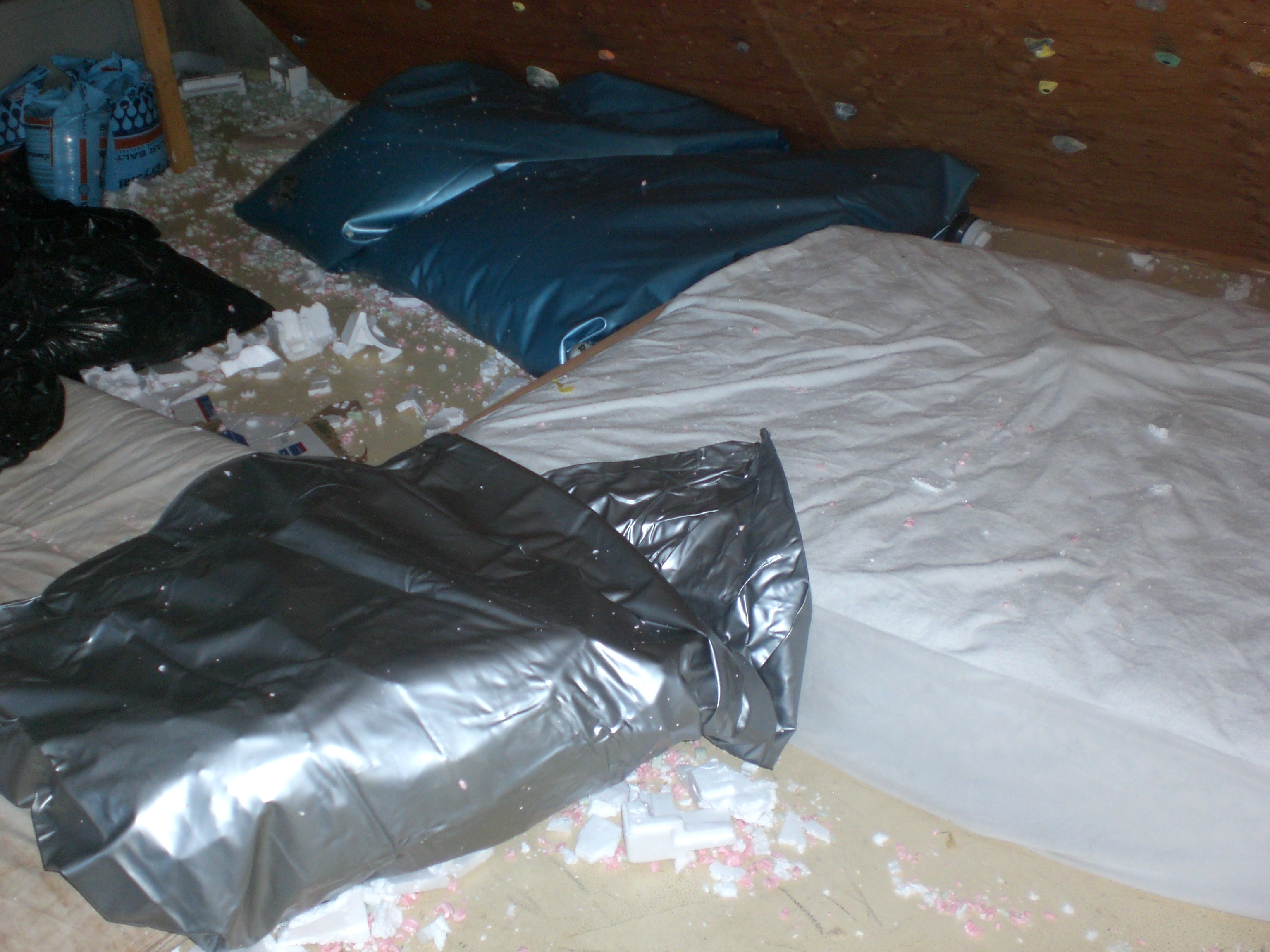
Yes. And if you are already, congratulations, because it means that you are serious about a non-productive activity, and a certain class of non-productve activity – an obsessive devotion. Not a hobby, hobbies can happen in a den and earn their keep. Hobbies are spare time things, to be set aside when they become inconvenient.  I don’t mean hobbies, I mean all those things for which the term ‘amateur’ was devised and were the reason why, in sport,  that term used to define the Olympics. Obsessive devotions will eat you up and must go in the basement, or sometimes a garage.

Anyway, for all those amateur mechanics, body builders, musicians, inventors and artists, I have no advice. For climbers, though, I can say exactly what to do should you be trapped in a basement. 

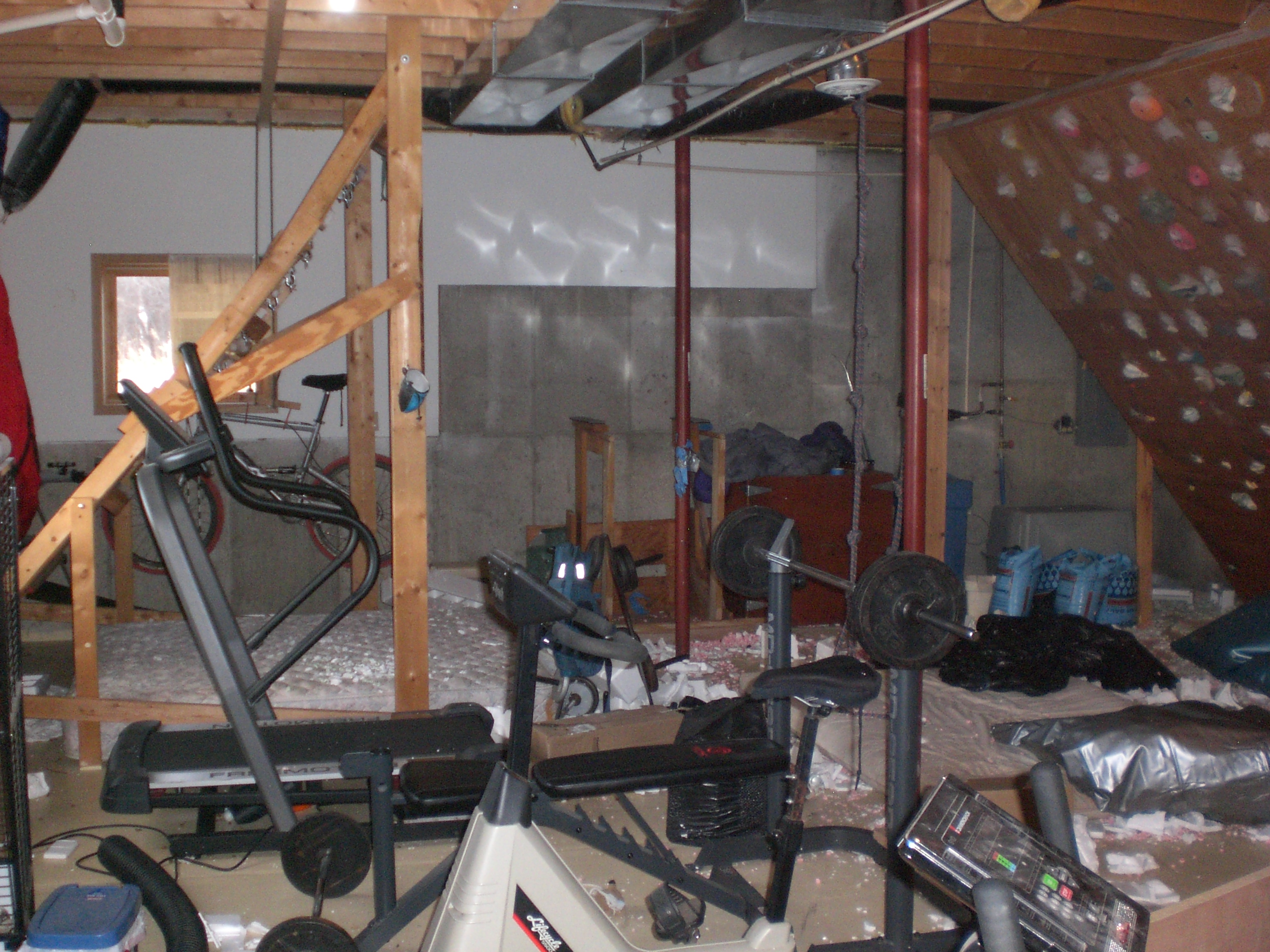
First, pick the right basement. It should be grim. No windows, no decor, it should be a concrete box if at all possible. Flourescent lighting, at least in the form of fixtures with tubes, is out. A single, bare bulb will do. A single door is best, too. It ought to lock from the inside. People should wonder what is going on down there. Wild fantasies keep people away on the front side, and compare favorably with reality if need be.

Not perfect, but close.

Fill the room only with training devices which pose an eminent risk of harm. Use free weights, no machines. You need at least one campus board. If you have a bouldering wall, pad the L.Z. with the minimum cushioning required to prevent fractures. Any Russian training device you come upon, buy it and put it in the room. They have had the world’s biggest basement for over 100 years, they have what you need. For instance, a bottle of garlic pickled in vodka may help to see you through moments of weakness.

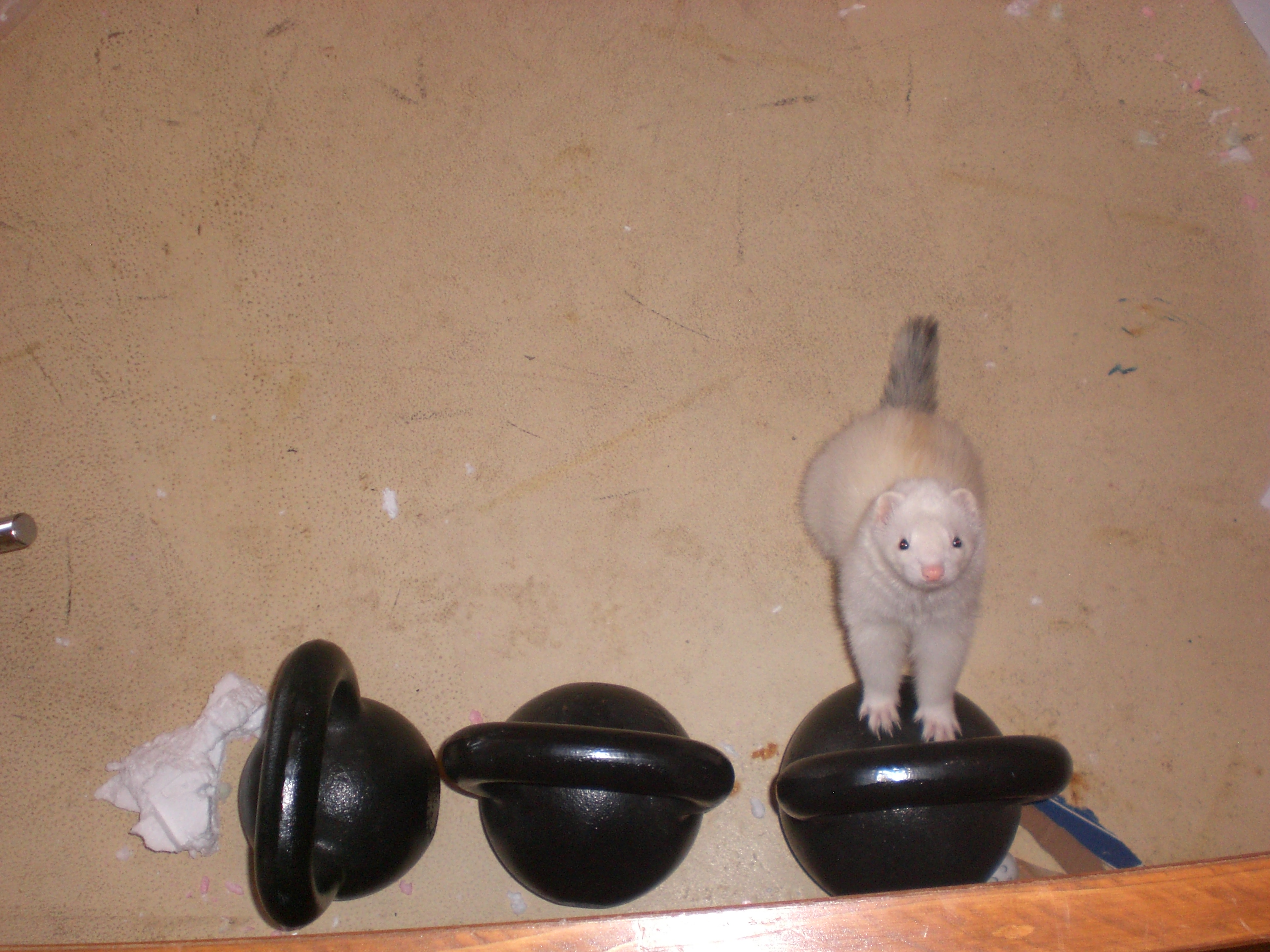
You will need a ferret, or other small, vicious animal. Let it run free to control vermin. It will keep you company without being too chatty. Ferrets are best because they also provide a good moral lesson. Once they struggle to consciousness for their four waking hours per day, they have a pure focus on destruction. Animals ten times their size rightfully fear them.

Training secrets

With this basement, you can train at 4AM or midnight. You won’t want to linger. You won’t need some meathead in a campaign hat, or worse, spandex tights, to keep you moving. Lose focus and you will crush a toe, break an arm or get bitten.  When you can finally bust out to climb outside, you won’t need a warm-up, you will be ready to send.

Tagged , , ,

Devils Tower This Time

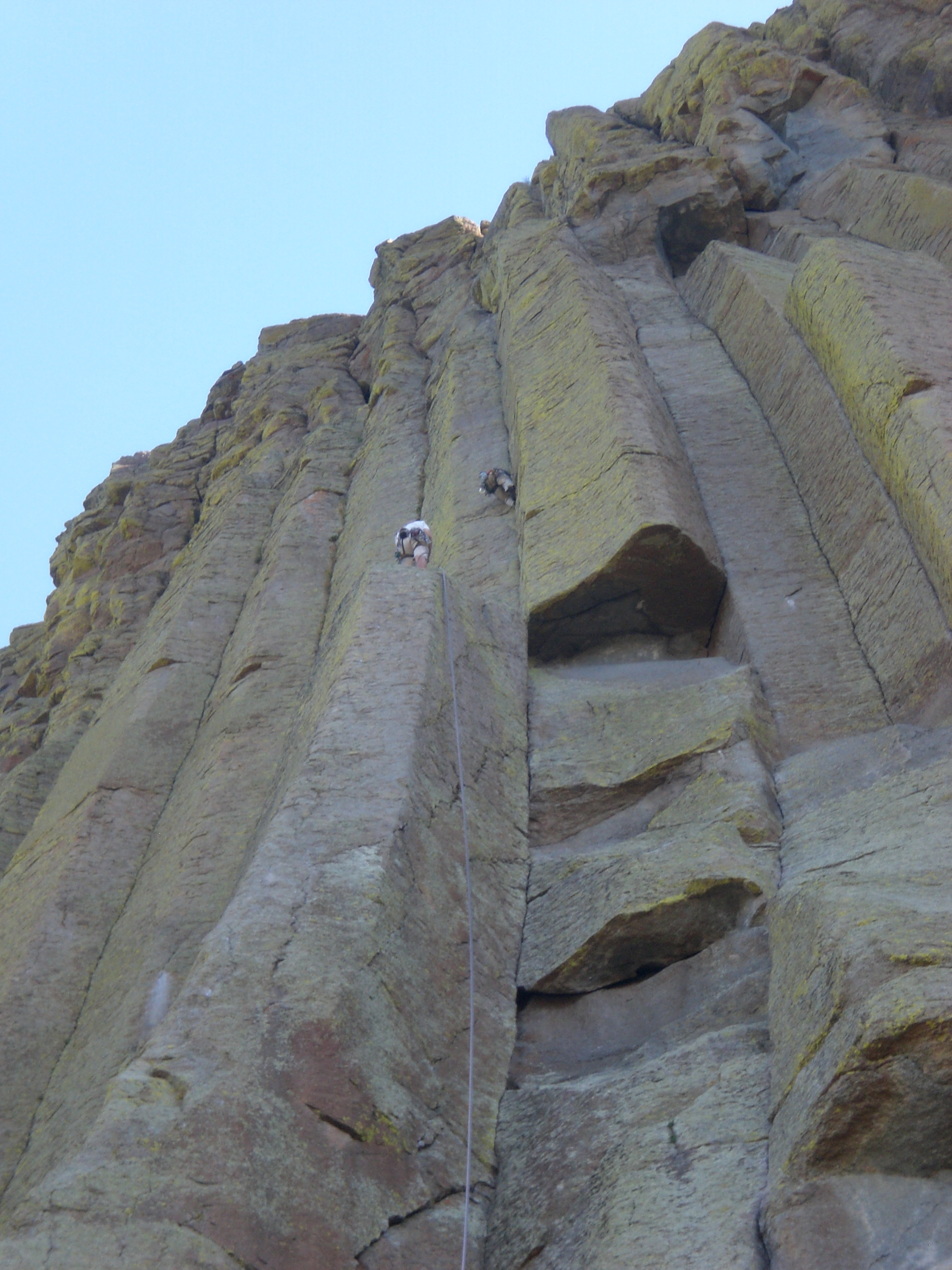
El Matador, Scott Leroux following, shoes one size too big!

It was a good year at the Tower. I spent more time there the last couple of years, than I had in the past. It isn’t good technical training for Alpine climbing; the gear is too plentiful and you generally don’t have to be too clever to place it. However, the Tower is a good place to test your resolve and endurance, both mental and physical. You can’t fake your way through things at the Tower.

Rich on pitch 2 of Carol's Crack

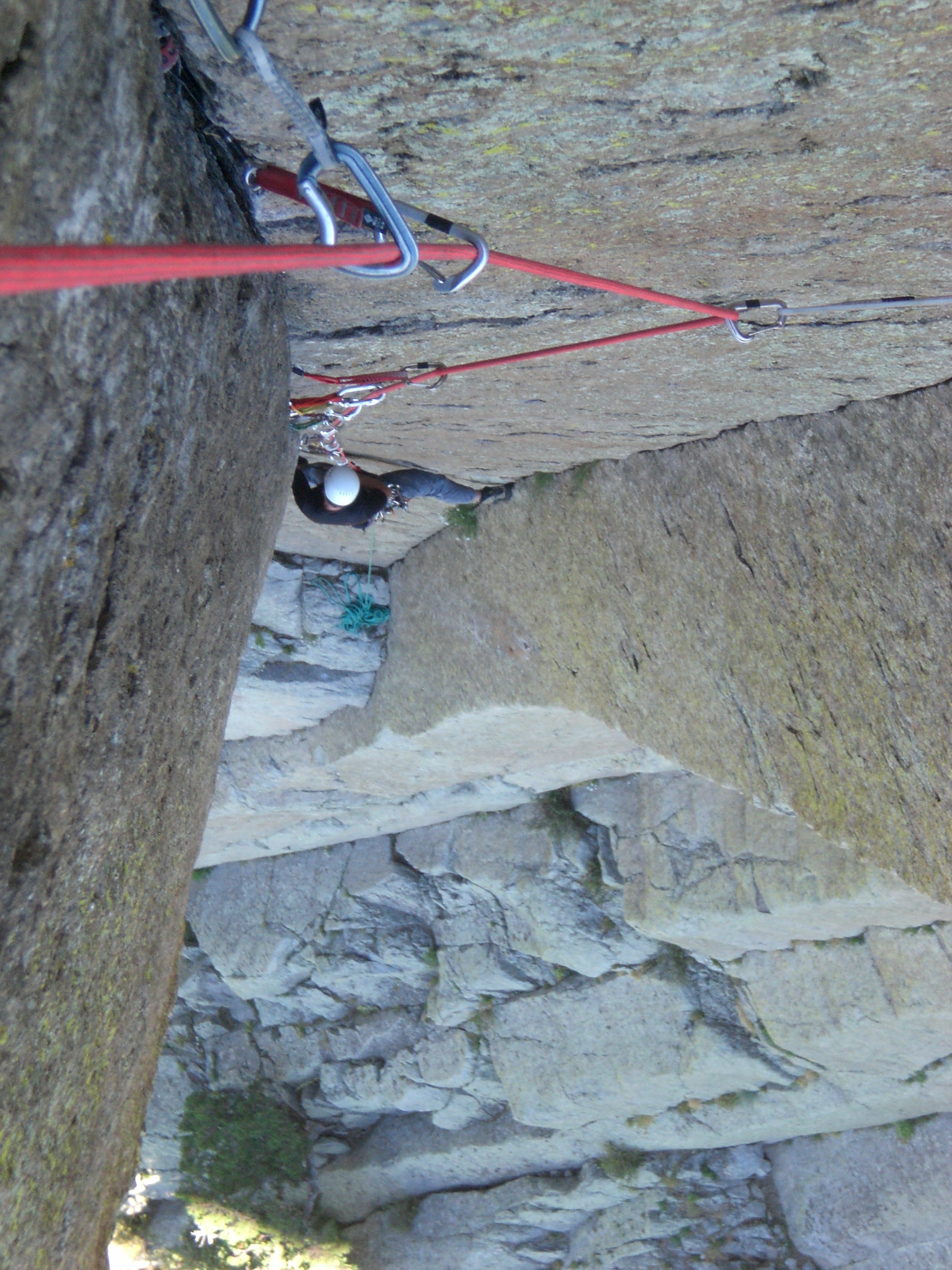
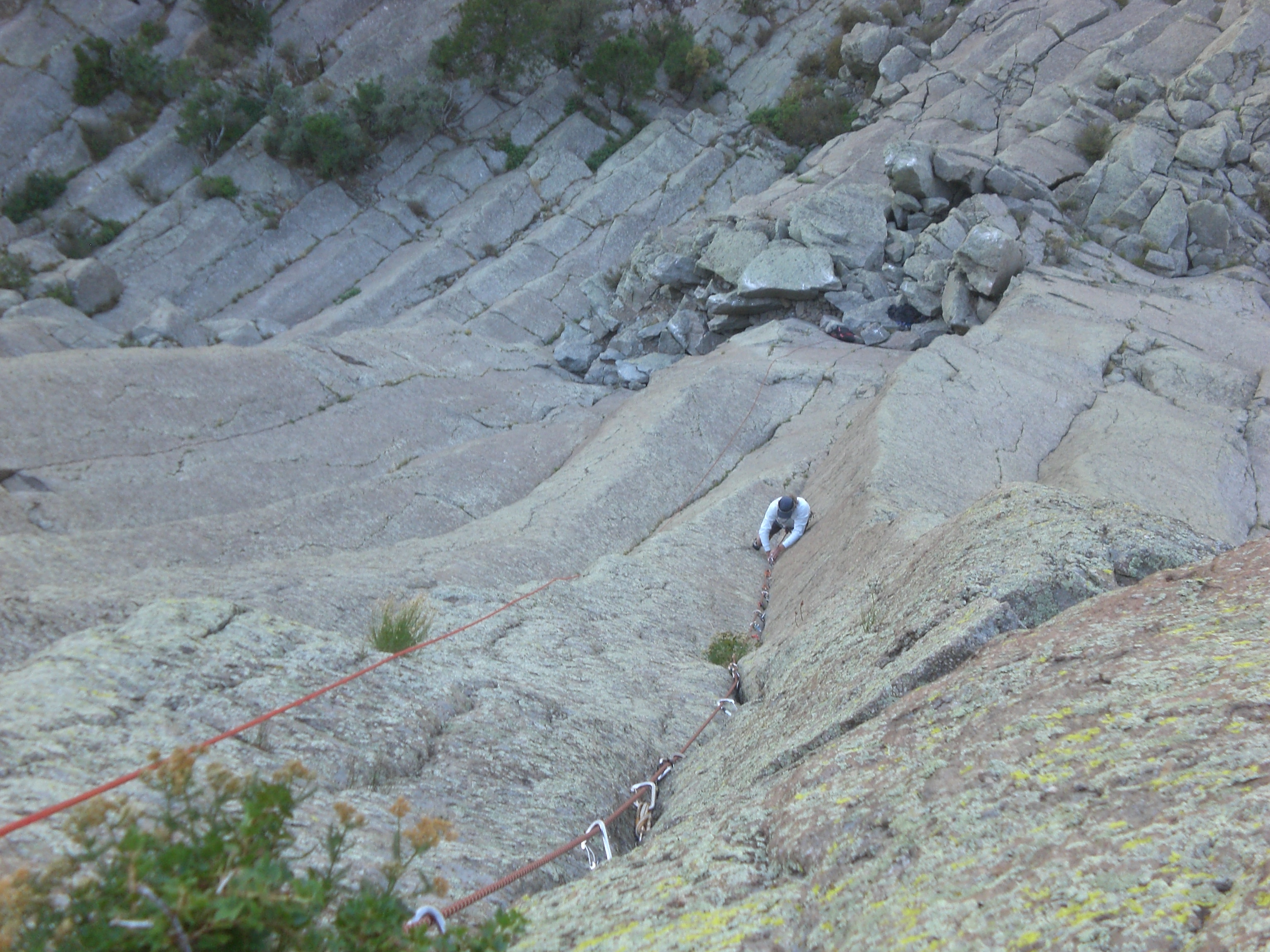
There are no clever traverses or ‘new moves’ around difficulties. Only rarely can you suck it up and climb through a crux to a good rest. Only rarely does a climb prove to be a one move wonder, an isolated crux with easy climbing on the rest of the route. It’s a good place to go with someone like my friend Mike. He’s one of those people who’s surrounded by a motivational field. Standing next to him at the base of Mr. Clean, 160 ft. of finger locks doesn’t just sound reasonable, it starts to sound like a hell of  a good time.

Mike stopping for photos of ptich 2 of Tulgey Wood before Rapping back down Way Layed

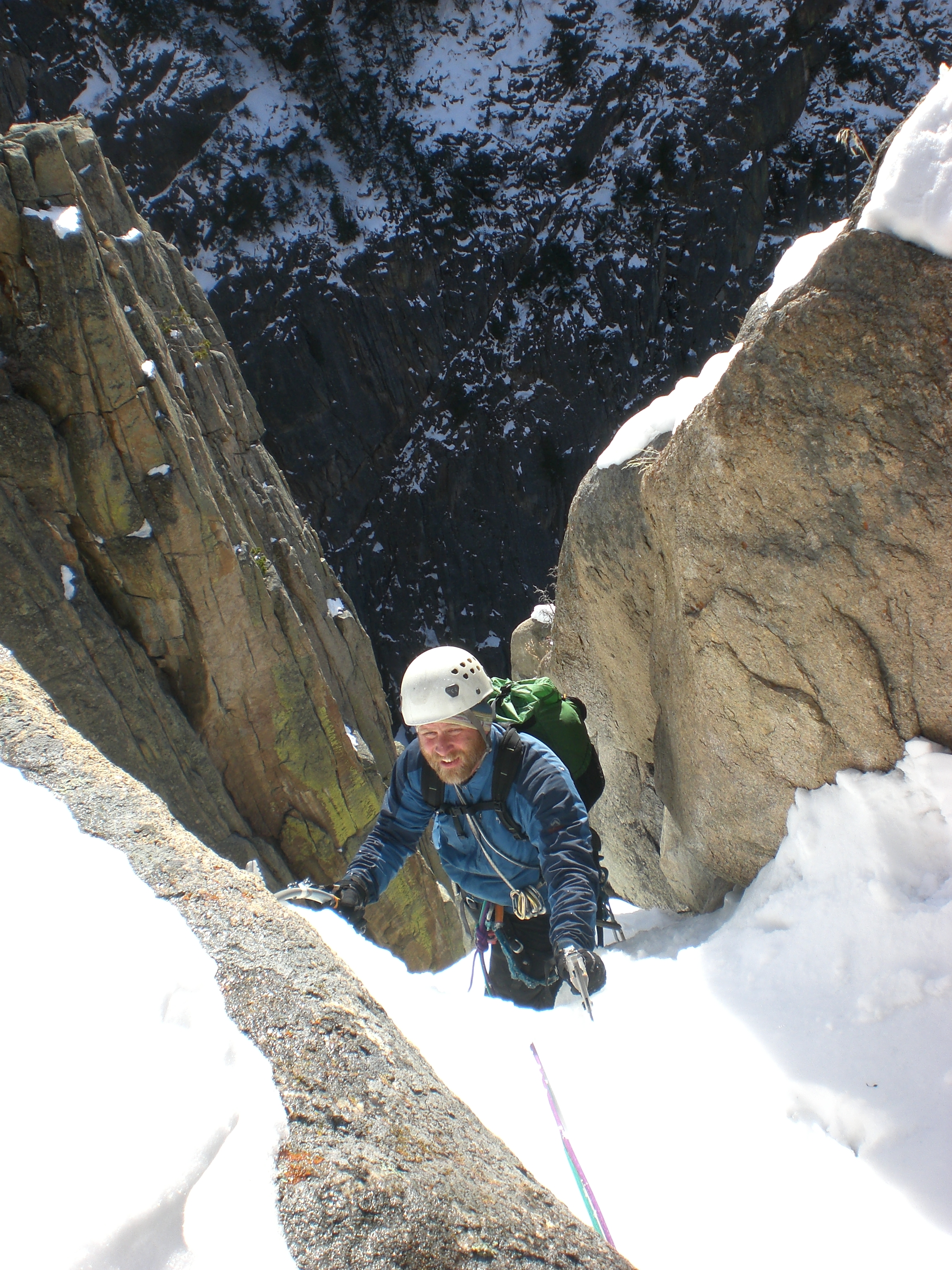
Mike McNeil on a warm day in the Clark's Fork

Tagged

Critical Thinking

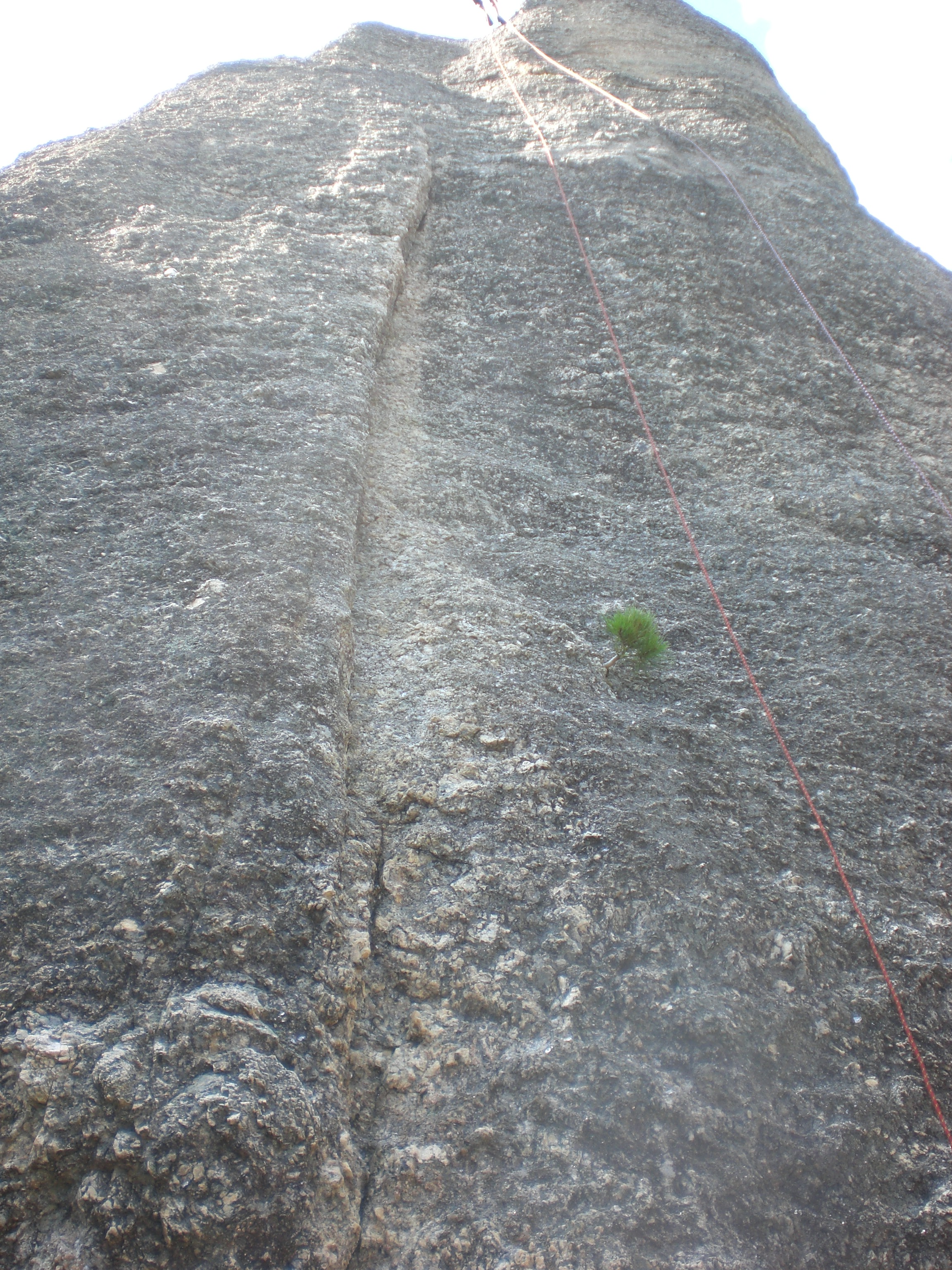
 Climbs with a hard start are the best. Any commitment issues get resolved right away. Nantucket Sleighride is like that. Once you make those first few moves, your teeth are locked and the rest be damned. Fortunately, the fall protection is good in the first half of the route, where you face difficult climbing. That’s because you rely on a crack to place the protection yourself, so all the decisions are yours and you can let them evolve. After you leave the crack at the mid-point, you rely on bolts. Then you have to guess about the climbing between the bolts. Is it within your capabilities, and if so, how far within? You have to guess at the consequences of a fall. How far would it be? Might you bounce on the way down? You have to guess about the bolts. Do they look like they were placed by a Prussian officer or the guy down the road with the junked cars in his yard? Most of all, are you running on fear, ambition or reason? On Nantucket Sleighride, it all comes to a head at the last bolt. From there, you have 30 feet of climbing to finish, so a 60 foot fall if you blow it right at the end. The fall would be ugly, too. Twelve feet above the bolt, two harder moves guard the way, then the climbing eases. A right hand where the left hand should be could end badly right there. But the fall would be unpleasant rather than a catastrophe. After those two moves you get no reprieve psychologically, it is all physical, technical relief. The trick is to see the truth: the first twelve feet and the remaining eighteen feet are two separate things rather than one, as your inner child insists. Launching from that bolt is a real exercise in critical thinking.

Tagged ,