
Hammerhead (ham-er-hed) n. 1. the part of a carpentry tool used to drive nails 2. any tool’s feature designed to impact an object 3. metaphysically, an implement used to achieve the wielder’s intent through main force 4. (slang, common parlance) any person with a modus operandi analogous to that of the tool, usually expressing the speaker’s contempt 5. (slang, among climbers) any person with a modus operandi analogous to that of the tool, usually expressing the speaker’s admiration and horror.
A hammer has a sort of minimalist beauty. It is clean. It has a singular answer to all challenges. It cannot – it will not – be mistaken for something which it is not. The beauty of the hammerhead mentality is the same. It forges a pure, guileless path in the world. It wakes each morning without ulterior motive; it pounds through each day without ulterior motive.
The psychological dynamic at issue has always been part of the human repertoire. The most famous, historical hammerhead was Alexander the Great. I’ve heard people question why anyone would ever follow such a jackass, as the blustering fool marched his army across Asia Minor to no good end. He wasn’t a blustering fool though, he was a hammerhead and I’m sure his men caught a serious case of Special-Sense-of-Purpose from him. Sure, he didn’t need to conquer India. He was simply out conquering, and India was next. Likewise, cutting the Gordian knot wasn’t a clever, if arrogant, statement or “out of the box” thinking; it was a natural hammerhead move. At the end, nobody was worried about that damned ox-cart anymore, and they could all get on with the conquest.
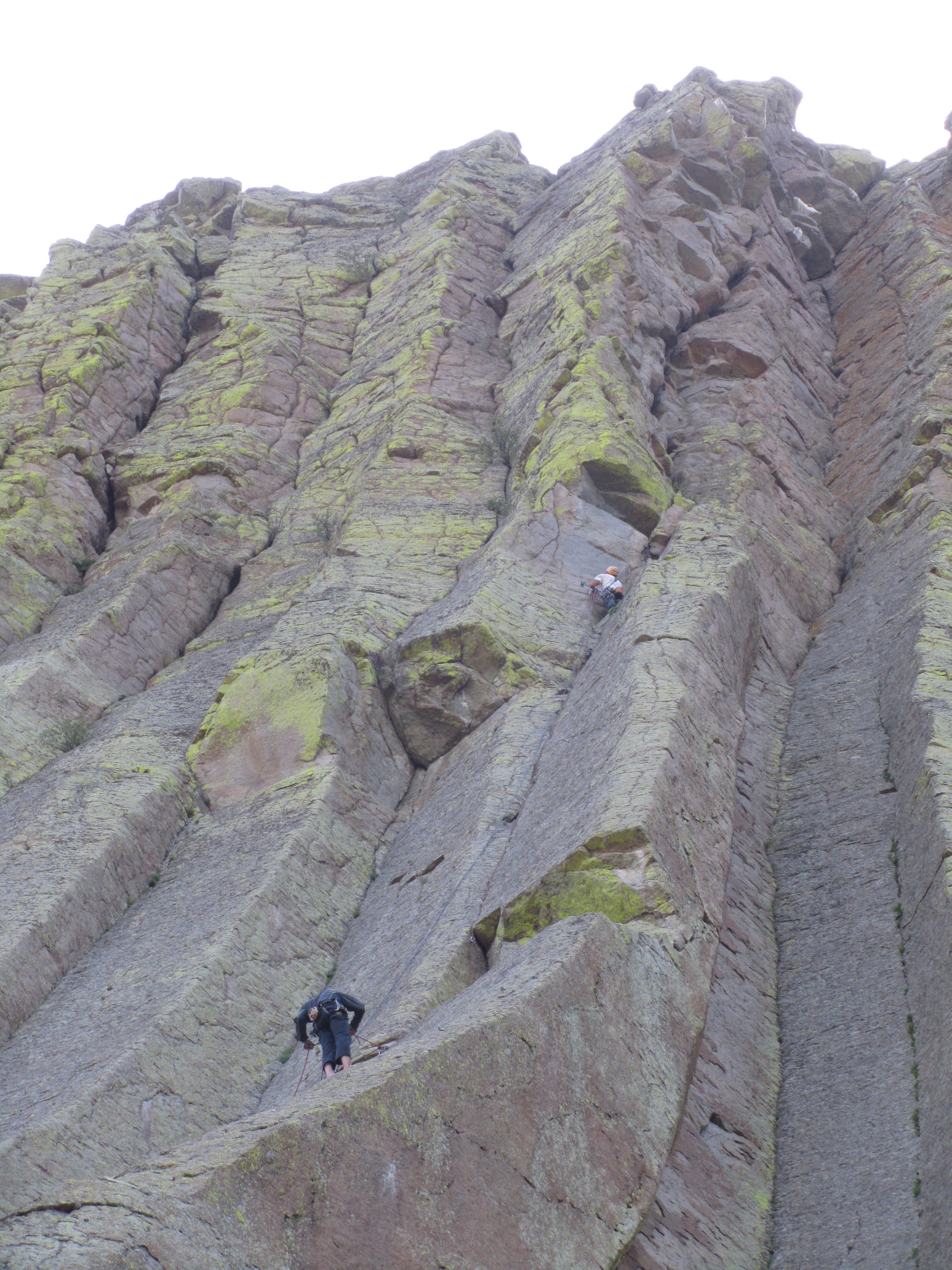
In fable, Aesop’s grasshopper, from The Ant and the Grasshopper, is a hammerhead. But only in a certain version of the fable – the one where the grasshopper is not a dissolute slob, the one where he’s just really, really into dancing and singing. It’s the version of the grasshopper with which we can sympathize. It’s the version which exposes the potential meanness of the ant’s viewpoint.
Their noble clarity is why we climb with hammerheads, why we train with them, and why we stick around to pick up the pieces. Because the unaided exponent of the hammerhead mentality is doomed from the start. Nature is bigger than us, and that’s a fact. Some routes will not go. There is a limit to strength, reach, and flexibility. A person can only go without sleep, food and water for so long. You can’t always just push through.
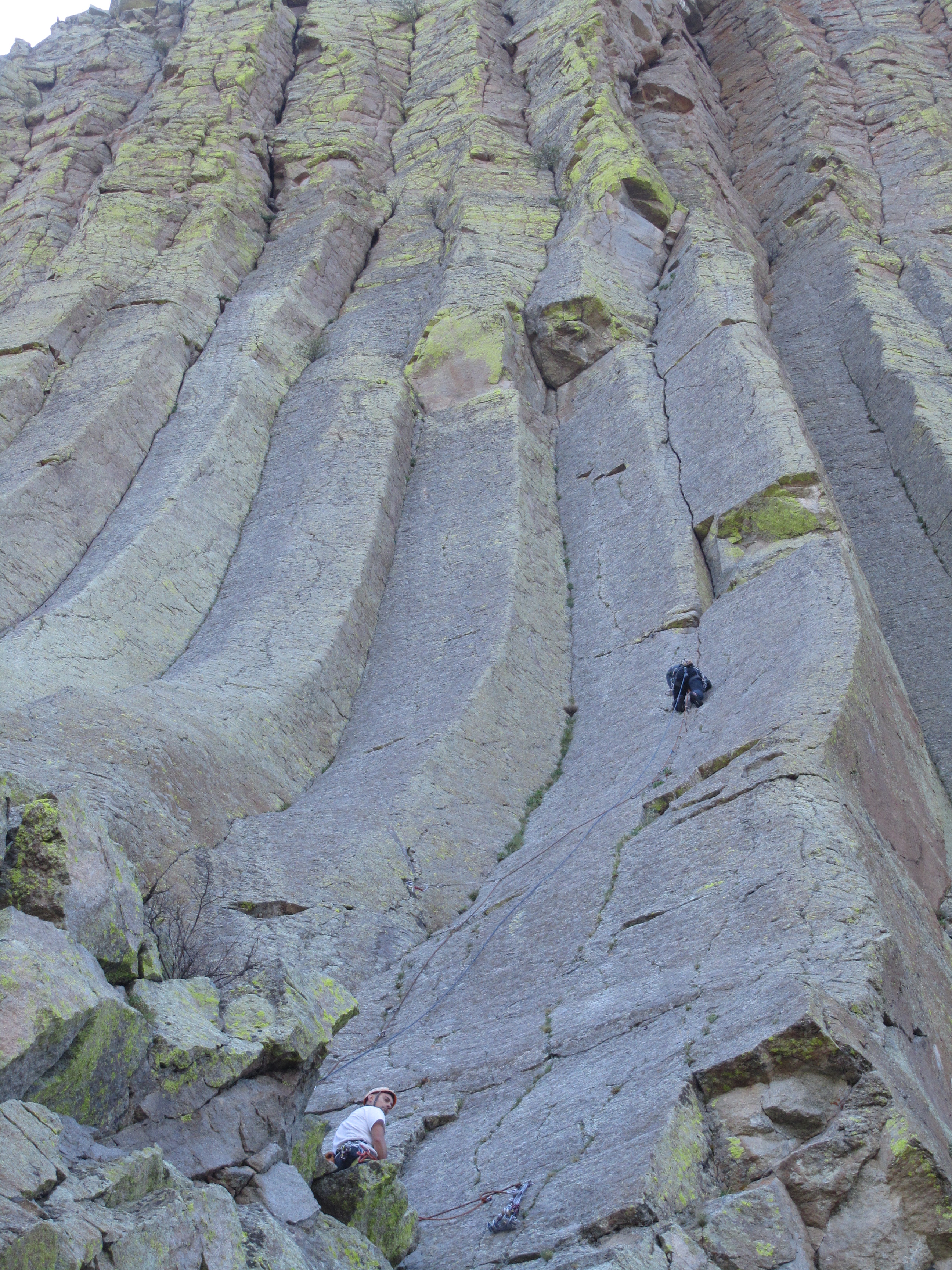
It’s a flaw as well as a merit of the hammerhead mentality that its hold is unwavering by nature, on the outside and on the inside. Once the hammerhead is engaged, it’s too late. The focus takes over and won’t let go, even in the face of impending doom. Nevertheless, we need the hammerhead mentality. At the very least, we have some unique lessons to learn from observing it in action.
The hammerheads have two things to teach the world. The first thing is: they show us how lucky we all really are. We are much more in command of most situations than we imagine, and we shouldn’t always act so surprised about it. If we just set aside our doubts and fears, we could often do more than we imagine. The odds are naturally in our favor.
As climbers, for instance, our eyes are drawn first to the peaks rather than the smooth rock faces. Our digits are shaped to hook over edges and close around corners. The knobby bits at the bottoms of our brains are really good at keeping us in balance. Our fingertips have little ridges on them. The game is rigged in our favor. We just need to know how far we can push our luck, and of course, that’s the problem for hammerheads.
They need to direct themselves at manageable projects. They can’t be allowed to build up too much momentum. In short, they need help, by means of another behavioral model to back them up and good counsel. They need ants. Not the nasty little ants in the bad version of Aesop’s fable, just waiting to say, “told you so,” and slam the door in the grasshopper’s face. They need the clever ants, the ones with some tricks up their sleeves, who can appreciate the merits of the hammerhead mentality and are prepared to compensate for its flaws. This isn’t pure charity on the ants’ part either.
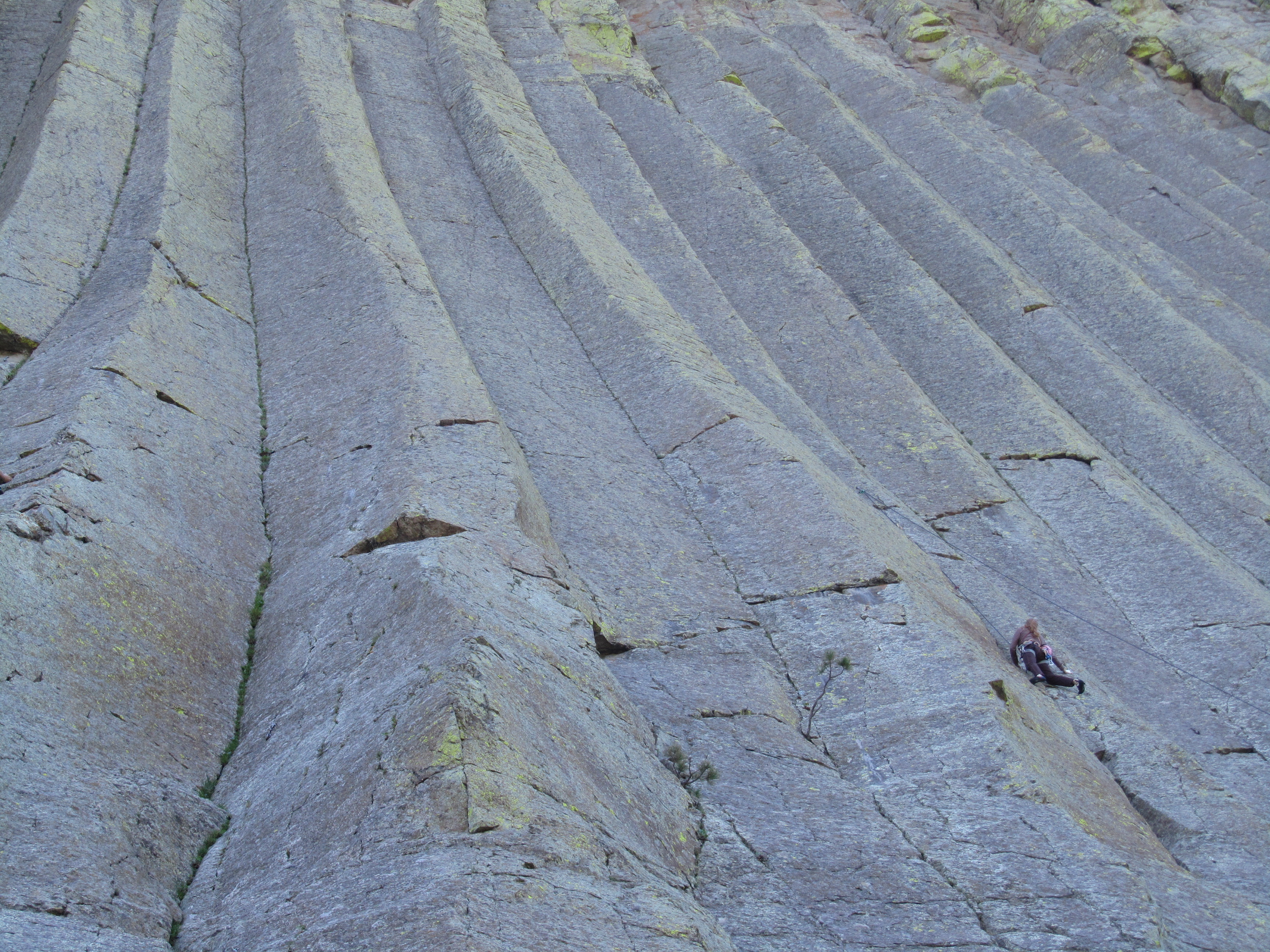
Focus is a necessary virtue, despite the requisite sacrifices. A person fixated on the summit, the anchor chains or the next hold has abandoned their self-control in order to push through. On occasion though, nothing else suffices. We all can – indeed we must – slip into the hammerhead mentality from time to time for good and ill, even if it’s not our policy. That’s the hammerheads’ second lesson. Even a good ant may need an ant in their own head now and again, if not a doppelganger at the other end of the rope. Being the ant at the other end of the rope is just good practice.
Dedicated to the Game
Climbing and other disturbing things.

Tag Archives: rock climbing
What Dies on the Sharp End
As children, many of us were cautioned not to judge another person until we had walked a mile in their shoes. This simple aphorism is meant, and taken, in two ways. For those with a literal bent, it means that we should withhold judgment until we have the all the relevant information. For those with a more philosophical inclination, it means we should understand that our judgments about others are always bound to be a little off. The latter interpretation is more accurate, because we cannot walk in another’s shoes. Beside them or in their tracks we can experience their walk, but not in their shoes or their skin. To do so would demand abandoning our own identity. In light of the latter interpretation, the implication of Mom’s trite admonition becomes apparent. We aren’t limited by our subjectivity – the statement is nonsense – our subjectivity makes us. Like so many things which children must learn to get straight, it marks a snag in our understanding which trips the most carefully considered philosophies.
Let’s see how philosophical problems regarding mind fare under the heat of our kindergarten lesson. With no subjective experience of subjectivity, philosophical zombies – hypothetical creatures which exhibit behavior without experience – take a shot to the brain, not because we cannot conceive of behavior which does not entail qualitative experience, but because we cannot conceive of qualitative experience divorced from activity (after all shouldn’t something which is a property of experience rather than a product of it show some sign of life for itself?). Rigid designators – necessary identities – hold for representative entities in logic, but not for the objects from which the logical entities derive (would that it were otherwise; think of the savings on auto repairs and trade-ins alone, not to mention the safety benefits of “the red car turning left in front of me” being true in fact as well as in theory). Determinism becomes an analytical curiosity. There is no quantity of happiness, suffering, or human thriving calculable. There is nothing that it’s like to be a bat – or a human.
Philosophies stumble because most of them have not been field-tested. This state of affairs is understandable; field testing is a grim business. The best contrivances fail in unexpected ways, leaving us deflated and puzzled. Trying to break a precious invention in the course of it’s intended use admits to some basic pessimism, but it is vital. Yet how do we test an idea of how the mind works in the world? What we need is something other than the sort of post-game analysis which always concludes that the contest turned out as it did because one team managed to “execute” and one didn’t, that one managed to fit the criteria of our post-hoc definitions and one did not. We need to know what happens, what falls away, what persists and the shape of the relationship between the whole lot.
Fortunately, we don’t have to go to the trouble of designing a test for philosophies of mind. The sort of test in question happens naturally on the sharp end of a rope. Every rope in use has a sharp end, attached to the lead climber, and a loose end, secured by the belayer. As soon as the leader finishes his knot, things begin to fall away. The belayer is a person who pays attention or not, who arrests a fall or not. He may be a Saint, or he may have walked out of prison that morning; it doesn’t matter. Likewise, the leader is a person who falls or not, who puts the belayer at risk or not. The relationship is quite specific and pertains to the subjects and the salient features, the valuable points, of the situation, as do all the relations and values which fall away. But the test extends beyond the mind-to-mind relationship. In the leader’s experience our ideas about the nature of mind itself get tested, because the leader is the one who grasps the holds. Looking at a hold creates a shaped perception of it. The hold has size, conformation, anticipatory feel, relevance to body position, distance and even strategic utility. But that hold is not the hold which the finger touches, and the leader knows the hold in hand by a different means.
Here is where another important set of ideas breaks down. Contact with the hold demolishes the mental theater. The hand and mind know the hold by assimilation. They know the edge as a hold by becoming the hand and mind which grasp it. The meaning of the feature’s heat, slipperiness, sharpness and adequacy are immediately apparent, because all those remake the first person in the moment of contact. The hand and mind know the feature as a hold because that is how they are capable of knowing it and the situation could not be otherwise in the revised individual. The subject doesn’t transcend the moment by discovering some permanent and essential nature realized in the experience, but by diving in, taking in and being taken into the meaning of the hold.
So what dies on the sharp end is transcendence, permanence, and commitment in the abstract. But these are no losses at all, because we can see that, all along, those defunct ideas were merely mistaken shaped perceptions of engagement, persistence, and understanding of change. With the death of its bearers, on more thing must fall and break in our field-test: meaning as a graven image – of God’s will, nature, humanity or whatever other imagined necessity. Meaning is revealed as, like us, the property of the present moment. The edge on the face of the stone is many things, we think, possibly, but with fingers on it, it is a hold – and that fact accounts for all valuation, all confusion over minds and bats, and the limits of footwear exchanges. This is not mysticism; it is much, much smaller. It is just what we know.
Being and Waspishness
In the Fall, our crags are swarming with wasps. Their source is a mystery. It is rare to see wasp nests in the cracks and pockets in the limestone, and when found, the nests are no bigger than a newborn’s clenched fist. The volume of the Fall swarms doesn’t comport with the numbers seen over the Summer. The wasps in Fall also differ in quality from the busy, irritable creatures encountered in Summer. The Autumn wasps are less likely to sting, but they are also harder to shoo away. When threatened, they flare their wings and wave their antennae.
A bunker mentality seems to have taken hold of them, perhaps as a consequence of excessive introspection, depression even. In flight, they behave with no less aimlessness than when clinging to the stone. They waft from perch to perch in short hops, always staying within a few feet of the crag, extending the arc of their flight only if they encounter another intransigent insect where they would land. They are not hunting, and do not appear to engage in courtship or any other purposeful behavior in the course of their days.
To the climbers who persist at the crags through the cooling season, the wasps look a feckless lot. Some observers go so far as to advocate swatting the insects on principle, as the wasps have lost their purpose and are simply waiting to die. Why let them suffer?
The Grand Auger, who sacrificed the swine and read omens in the sacrifice, came dressed in his long dark robes to the pig pen and spoke to the pigs as follows: “Here is my counsel to you. Do not complain about having to die. Set your objections aside, please. Realize that I shall now feed you on choice grain for three months. I myself will have to observe strict discipline for ten days and fast for three. Then I will lay out grass mats and offer your hams and shoulders upon delicately carved platters with great ceremony. What more do you want?”
Then, reflecting, he considered the question from the pigs’ point of view: “Of course, I suppose you would prefer to be fed with ordinary coarse feed and be left alone in your pen.”
But again, seeing it once more from his own viewpoint, he replied: “No, definitely there is a nobler kind of existence! To live in honors, to receive the best treatment, to ride in a carriage with fine clothes, even though at any moment one may be disgraced and executed, that is the noble, though uncertain destiny that I have chosen for myself.”
So he decided against the pigs’ point of view and adopted his own point of view, both for himself and for the pigs also.
How fortunate, those swine, whose existence was thus ennobled by one who was at once an officer of the state and a minister of religion.
– Zhuang Zi as translated by Thomas Merton
The same sentiment applies to the wasps. Trivially, some of the wasps which a climber sees in Fall are foundresses of next Spring’s colonies. No one would question their having a meaningful existence, in wasp terms. They represent the sisters passed, of the colony that bore them and back down the line. When we say ‘meaning’ in regard to a creature’s existence, we imply just such a representation on the creature’s part. After all, meanings don’t have meanings, symbols do. When we speak of purpose in the same context, we refer to the relationship between the representation and the meaning behind it, with the purpose of the representation being to signify the meaning.
Next Spring’s founding females have a purpose: to represent their colonies of origin and so on, in the genes they express, the ova they carry, and the smells they remember. The colony is gone but the intention of the colony remains, represented by the heiress.
People are no different. We represent our backgrounds and their intentions. We try to live up to our potential, what we are born with and what we acquire by learning. For us, as for the wasps, this representation is always in the present, pulling at the intention groping behind it. The colony’s heiress begins her own take on her mother’s colony. Her ownership changes the intention a bit. Her smell is a little bit different. Depending on what confronts her in the Spring, she may recruit the help of her fellow survivors to start her nest or usurp another’s. No matter, the next generation will recall a different ideal in its turn. We too, will try to live up to the tales of the deeds of our ancestors (by blood or tradition), rather than the deeds themselves, and the tales of the tales and so on.
But where does all this leave the true left-overs, the workers who will soon die in the cold? For them, the colony is lost forever. They represent the end. No one could blame the human observer for imagining these insects as little Macbeths, with their petulant defense of limestone cubby-holes and their swarming a soliloquy pleading for release from the futile farce which their lives have become, maybe which their lives have been from the start.
Still, they fly. They utilize the behaviors passed to them as social insects in their new context. They sting if pressed. They taste the air for familiar scents. They seek the light and shade with the progression of heat through the day. For their part, they signify the heritage of social insects as much as the females who will survive the Winter. If they have lost anything by losing the meaning and purpose of their role in the nest, it wasn’t much.
All representations work this way and the losses associated with any loss of significance are no more than the losses a cipher suffers in moving from one equation to another. When we pose the question, “Why should we let them suffer?”, the wasps might answer us like little Mallorys rather than little Macbeths: “Because I’m here.” That is exactly what they are saying when they wave their antennae at an approaching hand.
That’s a Thing? I Thought People Just Did That ‘Cause They’re Nasty.
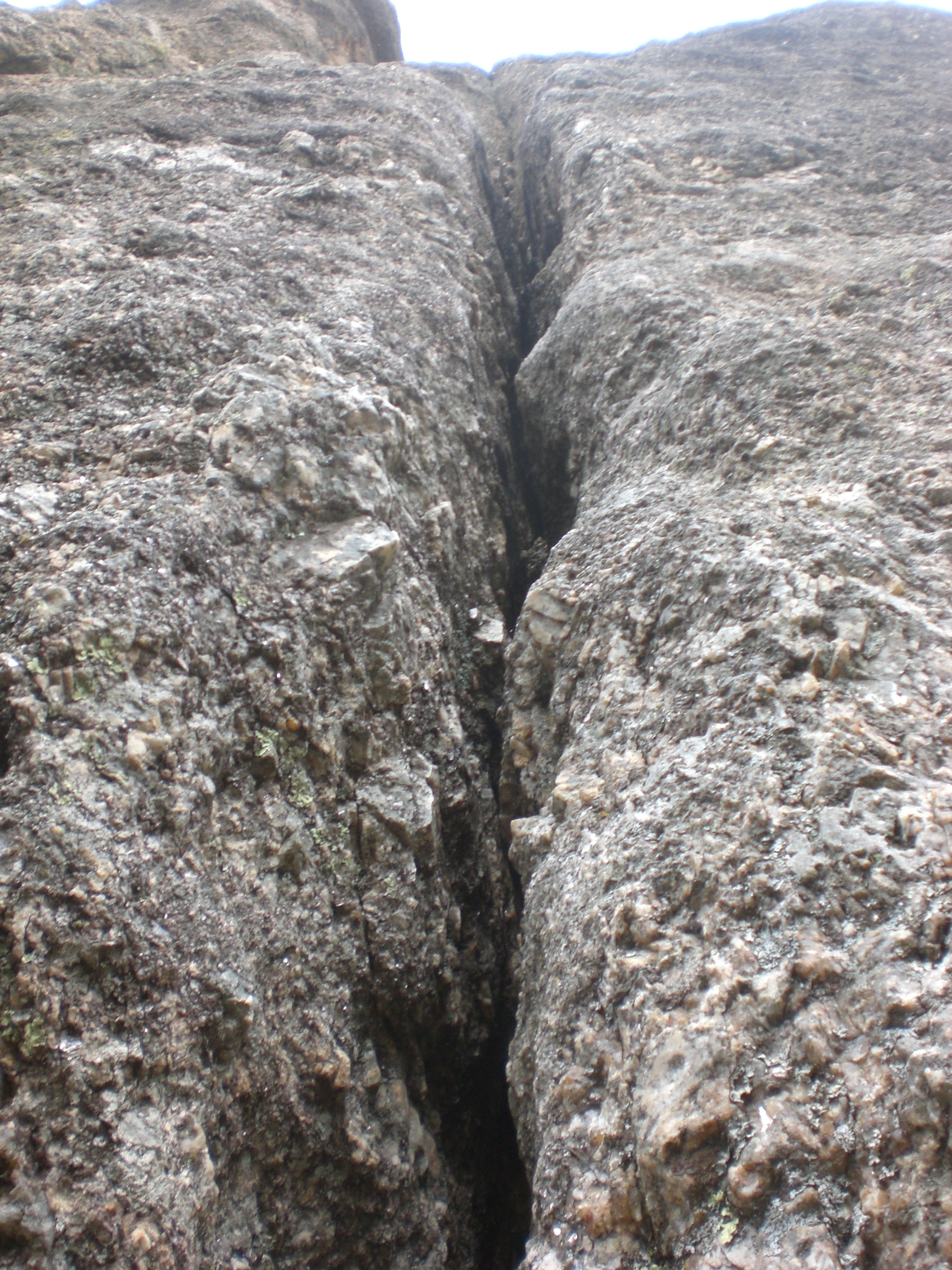
Like so many other aged and out-of-touch Americans, I learned a new word this Summer. No, I’m not talking about “sequestration”; I’m talking about “twerking”. Thanks Miley.
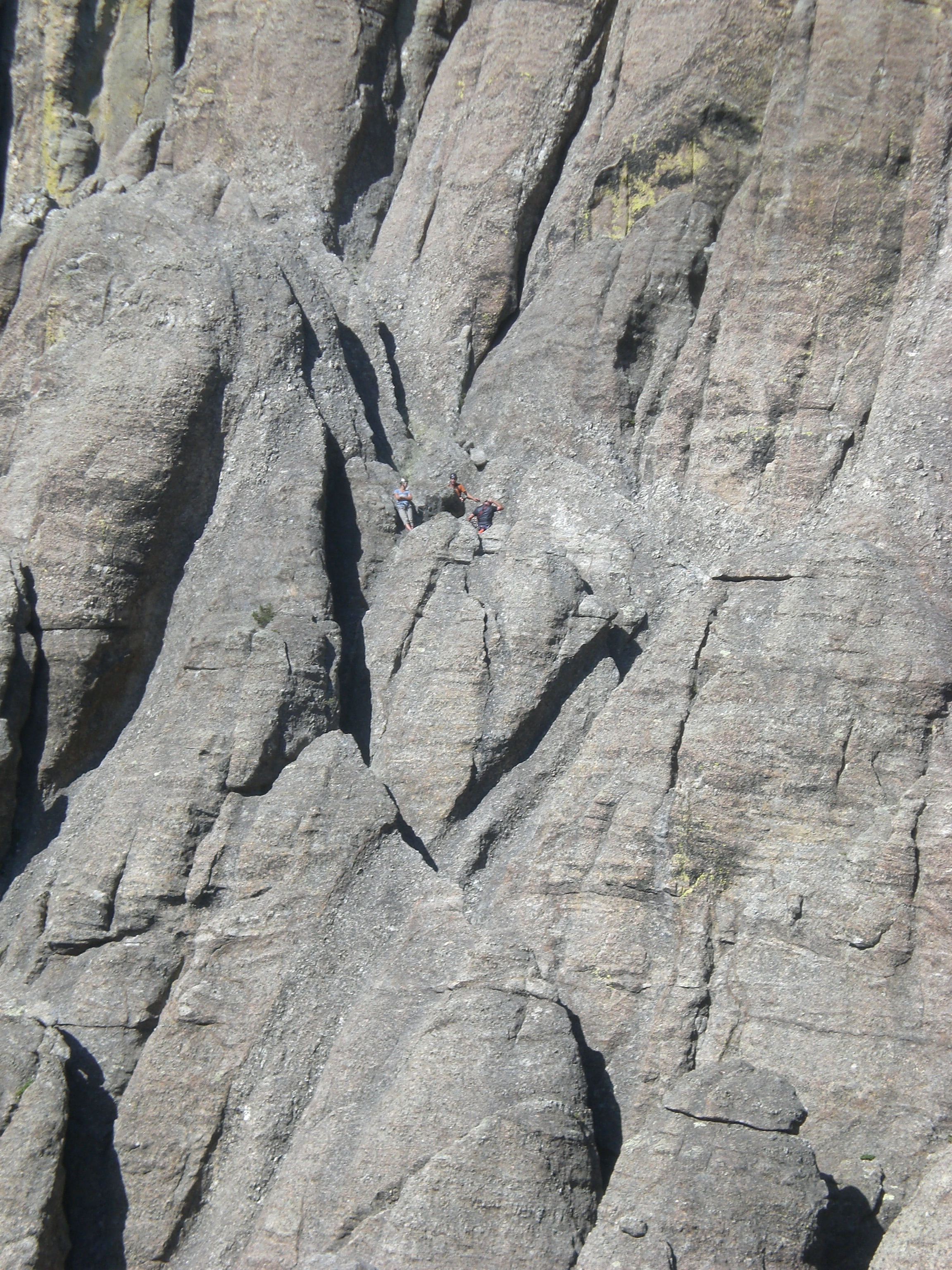
Chris wishing he was off-width climbing – or maybe twerking – instead of guiding,
My first take on twerking was the standard one for the aged and out-of-touch regarding any cultural innovation – “That’s ridiculous!”. I’ve no right to heap scorn on the twerkers though, because sometimes, I climb off-widths.
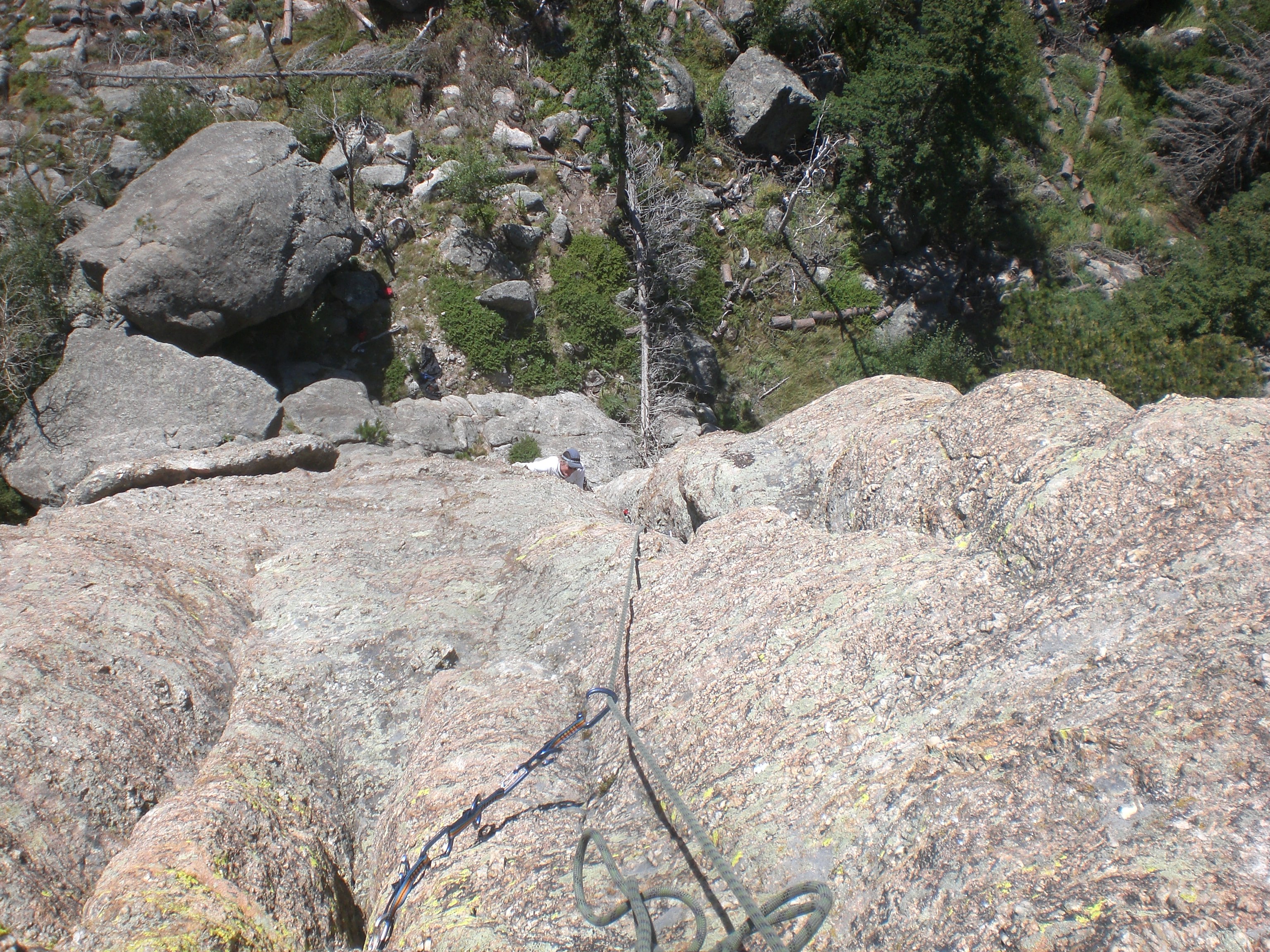
Trying to stay out of the foot-wide crack.
Actually, these are the times that I climb off-widths – when the weather is cool enough to wear clothes with full coverage, but not cool enough to justify breaking out the ice tools. Coverage is a big deal because an off-width is any crack wider than a climber’s clenched fist. In other words, to climb an off-width, the more pampered body parts must get involved.
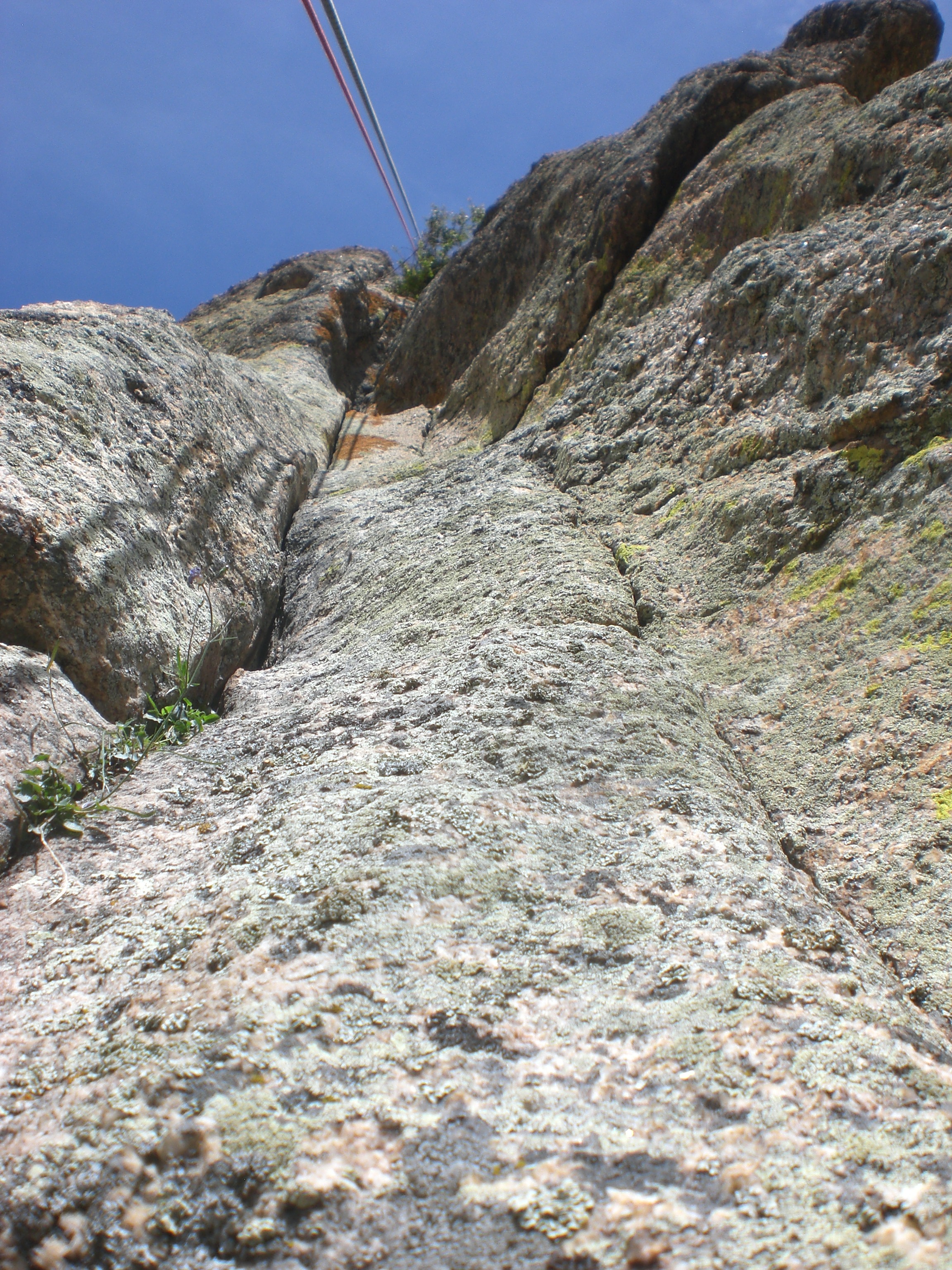
Now, I am the Miley Cyrus of off-width climbing. A brief foray onto YouTube will reveal, by comparison, Miley’s incomplete mastery of the technique which takes the squatting butt-pump beyond its overt nastiness, transforming it to an artistic representation of nastiness. Like Miley, I’m still at the stage where I’m constantly challenged to recall that I just need to relax, that body position is critical, and that proper technique consists of mostly small movements. But at least me and Miley have passed the first barrier. We’ve gotten past the mortification, and whether or not we’re good at it, realized that nastiness can be kind of fun (if you’re doing it on purpose).
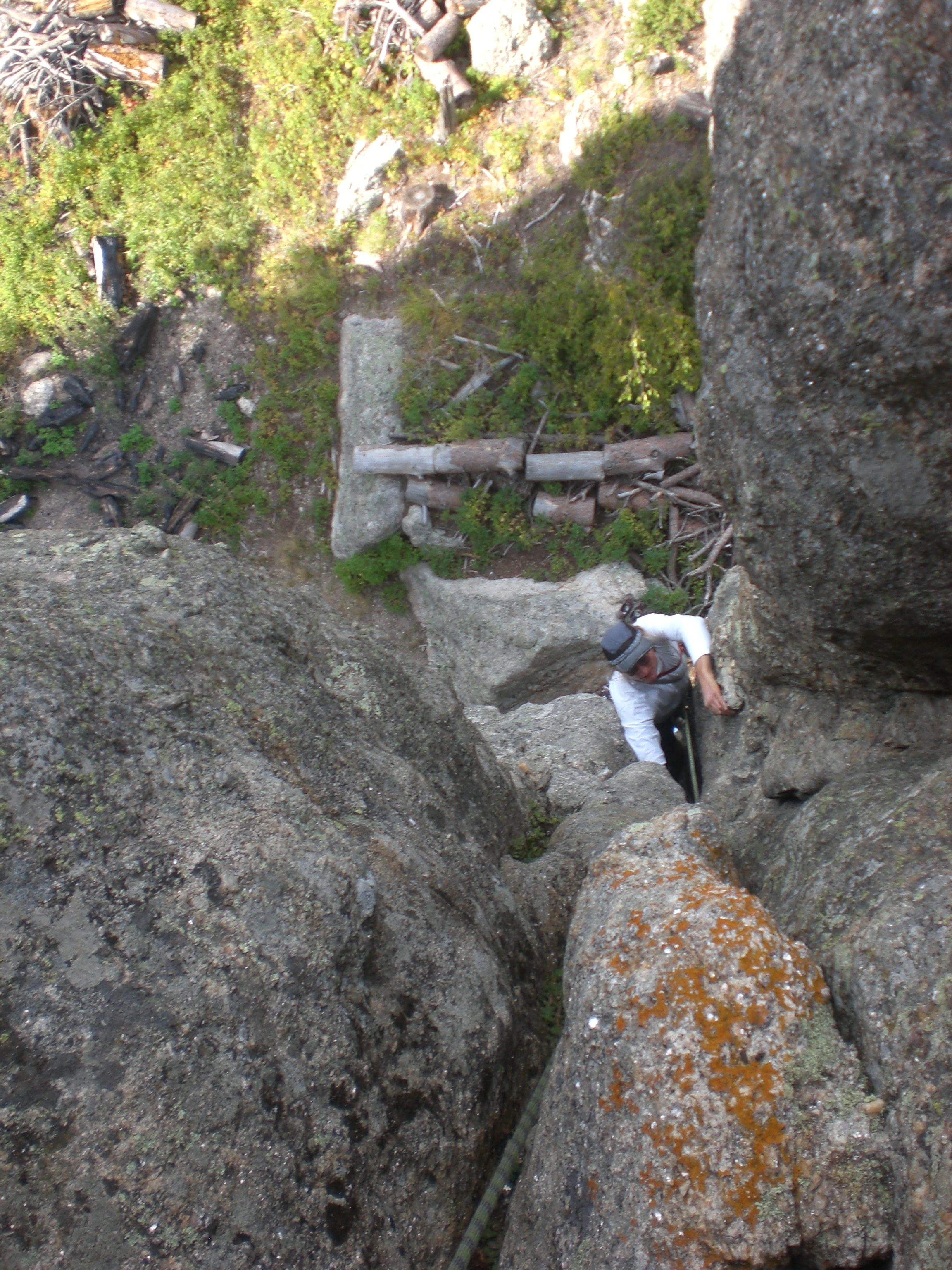
Finally, it becomes a chimney.
Samsara
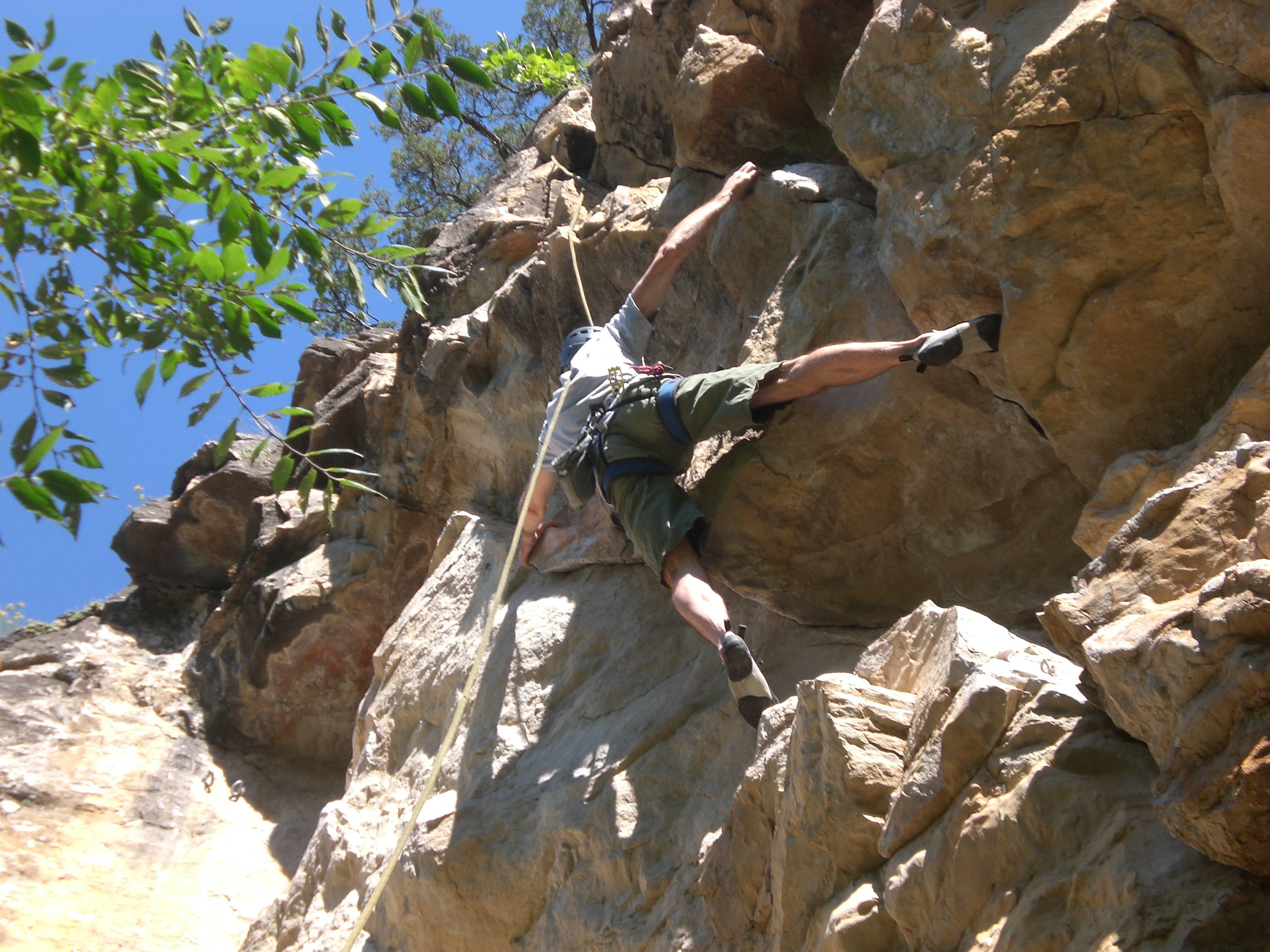
Setting up for the finger lock.
For me, what is left when the cycle turns is Tongueless Wonder.
The route is a Pete deLannoy creation at the most unfashionable crag in Spearfish canyon. I don’t know if Pete put this thing up in the absurd, power-drill-on-lead style for which he was famous. I kind of doubt it, though it would be fitting. The whole thing is ridiculous. It is a horrible crack-climb, with as many pockets and pinches as it has hand-jams and finger-locks. It is a horrible sport climb for the same reason. Furthermore, it is an ethical disaster. The bolted crack could be protected with clean gear, but only as a nightmare. The route is only twenty meters; most of the time on route would be spent with only one piece of gear between yourself and the ground. Much of that gear would be placed blindly due to the serpentine nature of limestone cracks.
I’ve lead it on the bolts, so I’ll never have the clean, first lead on gear. What I’ve got left to me is that most absurd of all climbing achievements: the headpoint. Headpointing is the thoroughly rehearsed lead, with the moves and gear placements worked out and practiced in advance on top-rope. In its own peculiar way, a headpoint is quite alarming. During the rehearsal, you fall off. Denial, the onsight climber’s friend, becomes unavailable. One is motivated to get the route wired.
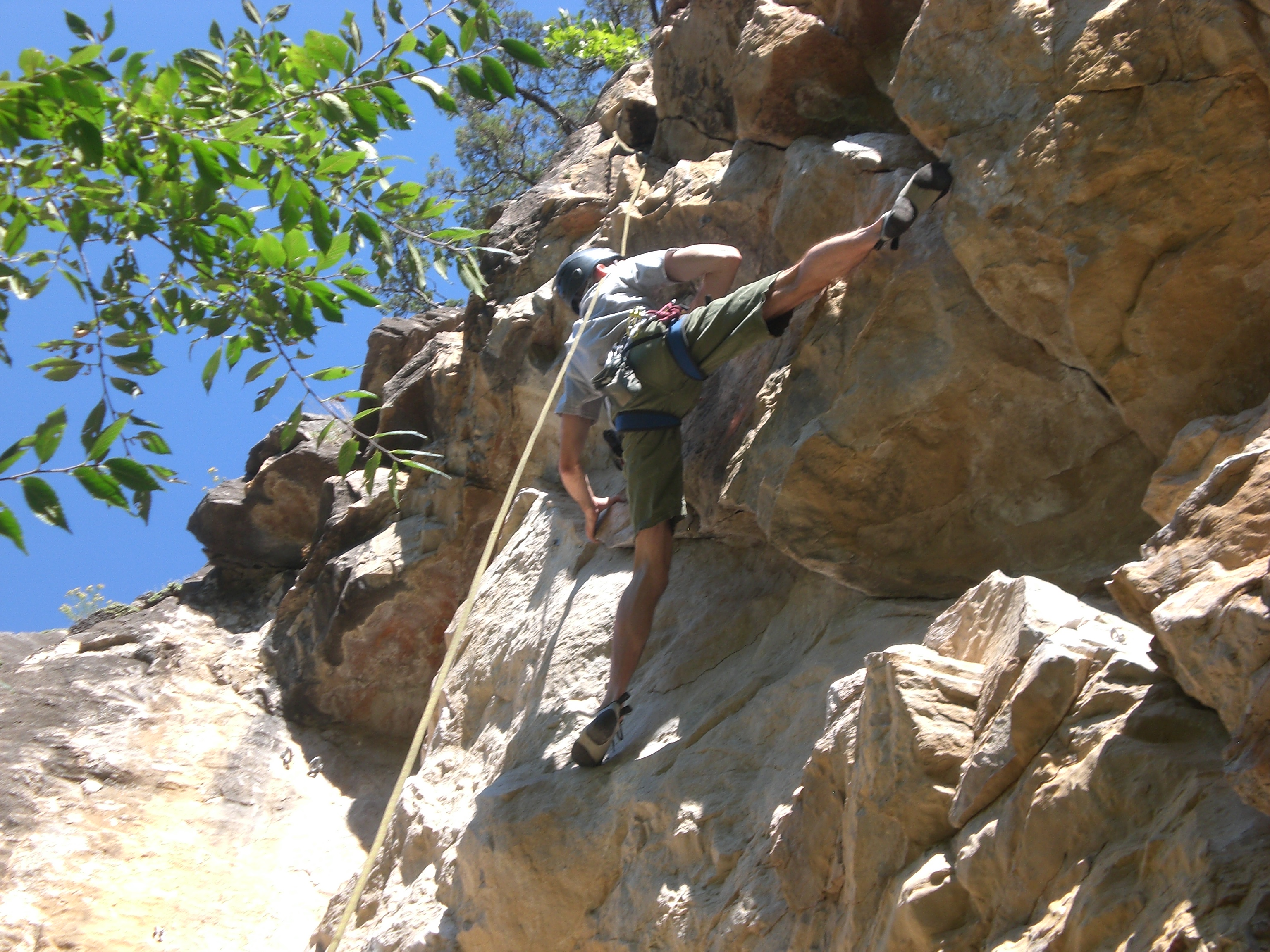
I’ve been working on this one for, four years, five maybe? I’ve been almost ready several times, but Fall caught me and I had to start over the following year. Perhaps the situation is closer to the Greek version of an endless cycle of suffering – Sisyphus in the underworld. Except, I don’t have Zeus to blame. I’ve chosen to push this, but it is finally an excuse. I like the climb, and that’s the only truth. Climbing it on gear is an arbitrary purpose which keeps me coming back to the route with renewed motivation.
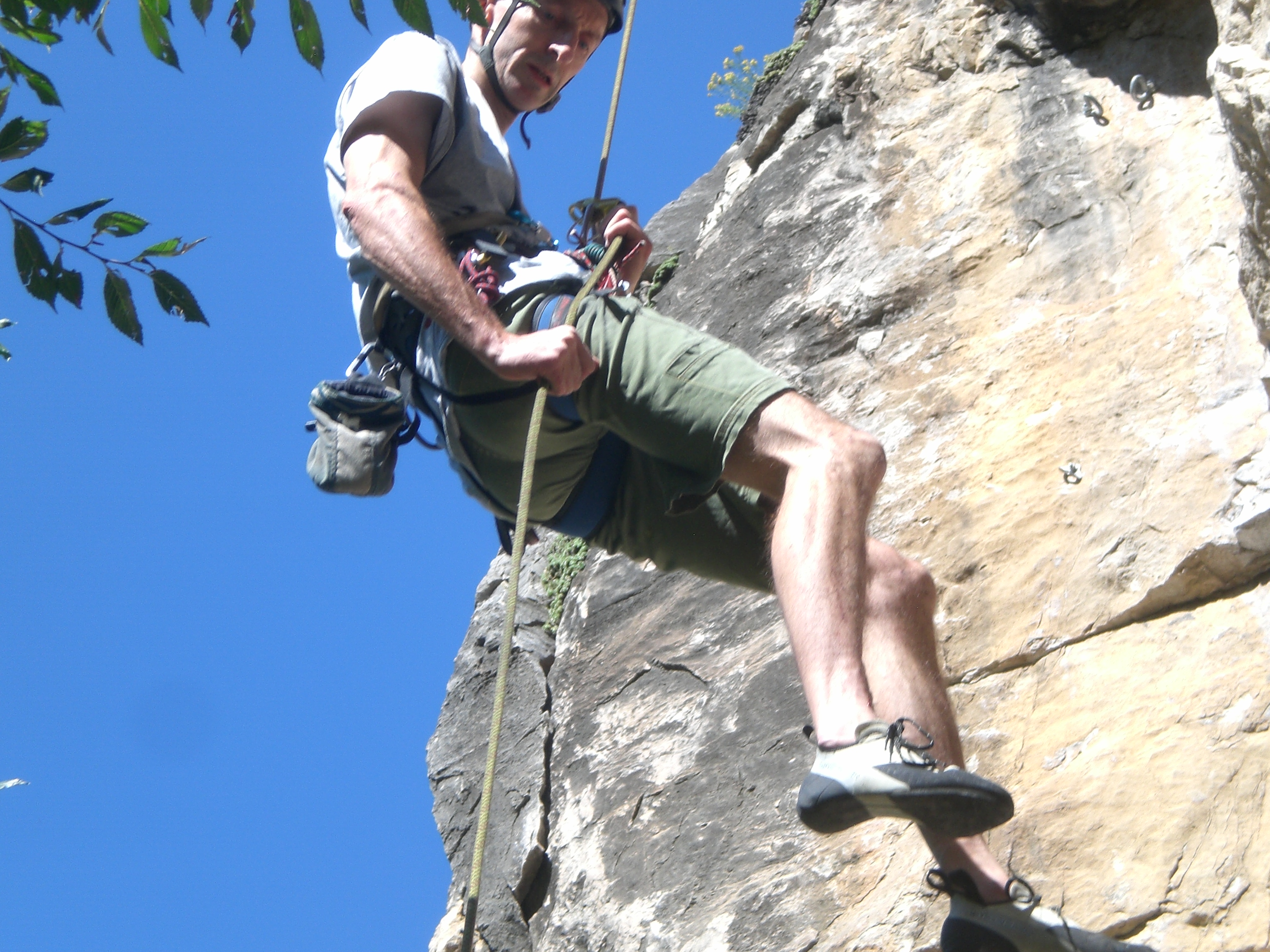
Next lap coming up.
It’s pointless, but so is climbing in all its forms, and work, and every one of our silly struggles – Samsara. We still do it, though. We’re groomed for this game by our heritage. We can’t lose, because points and pointlessness don’t stick to us; the truth is we like the doing and that’s all. Just like Sisyphus, who I believe out-foxed Zeus in the end. Maybe not on the tenth lap, or the fiftieth, but maybe by the thousandth or ten thousandth, old Sisyphus was into it, I’m sure. Then it didn’t matter whether he ever got to the top; he’d beaten Zeus and escaped the cycle of suffering.
Sediments
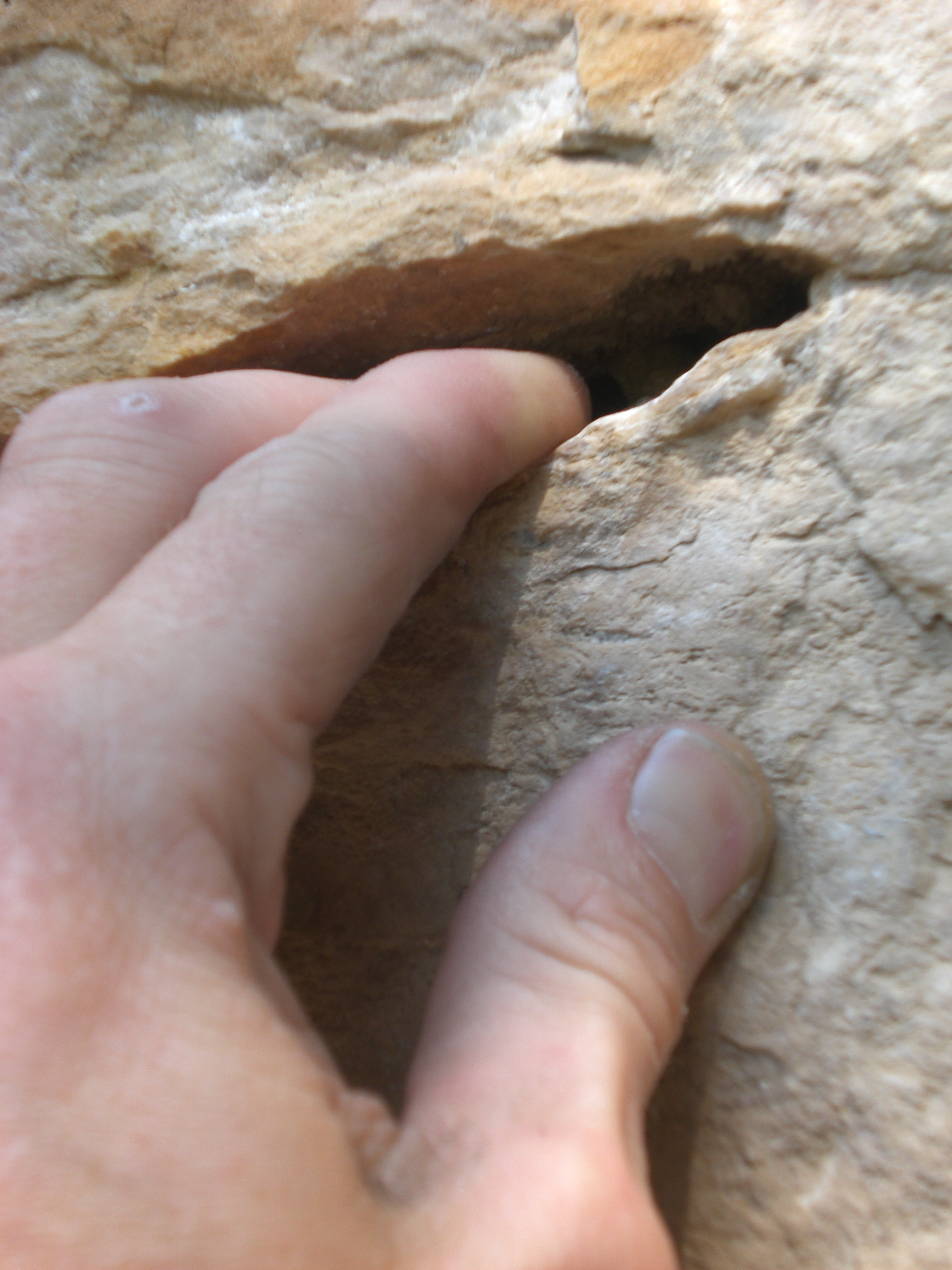
Like it was made to be climbed…
The Hills have lots. Limestone is one of our most abundant resources. Most of it is the typical yellow stuff, with many small pockets, butter-dish edges and thin cracks.
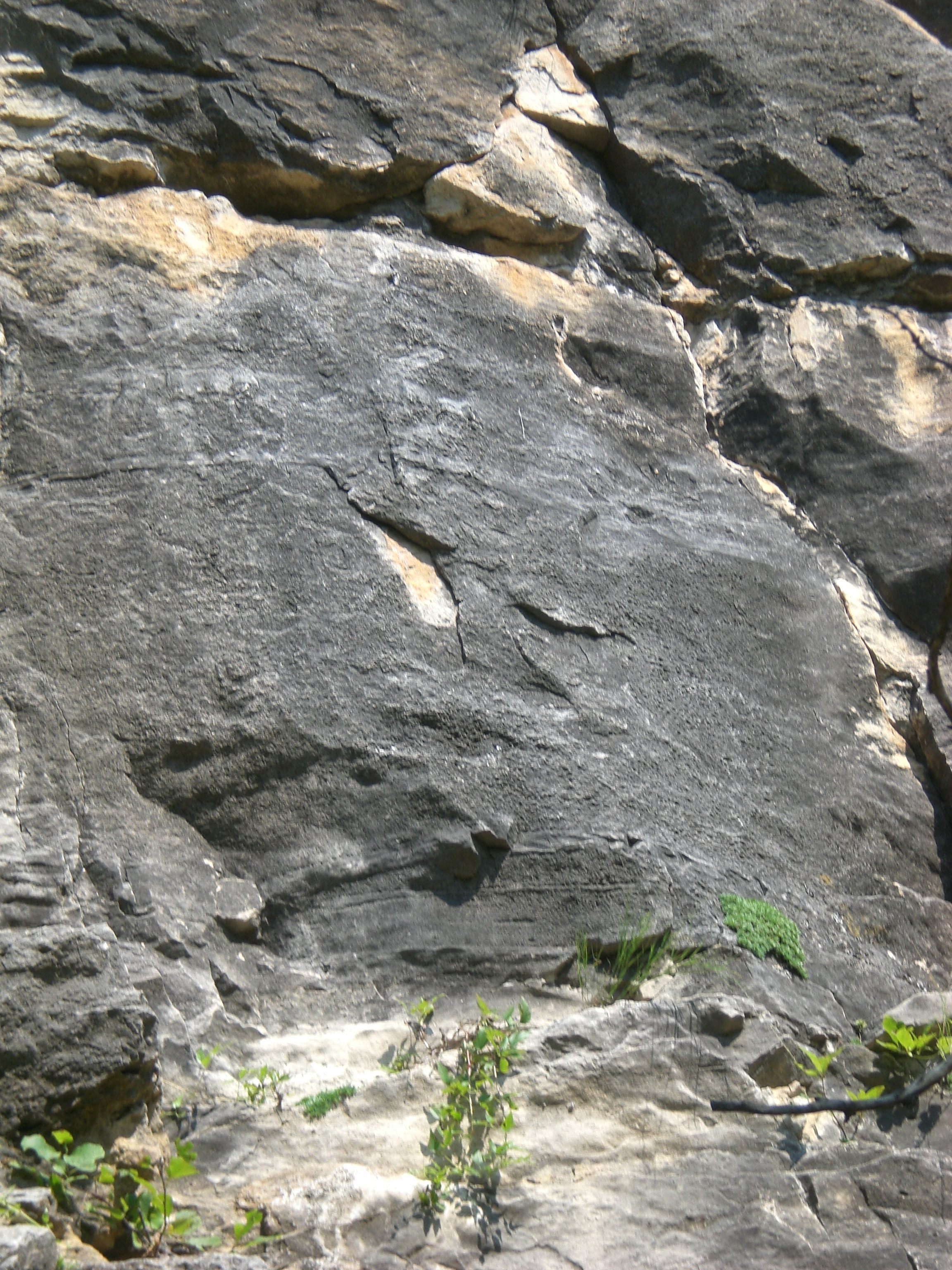
There is some black rock mixed in. Much of it is moderately overhanging, with a few roofs, often close to the ground.
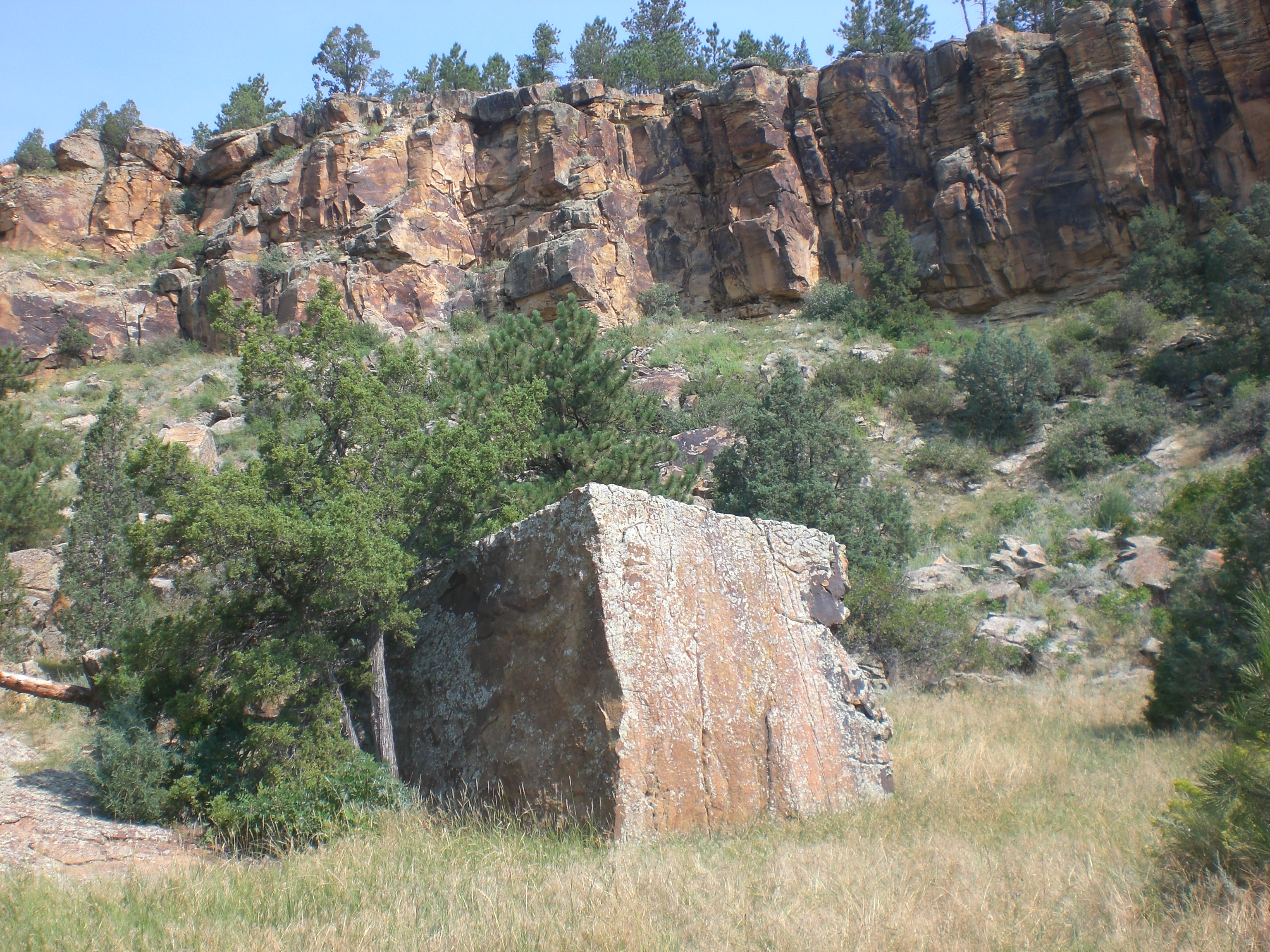
There is also a bit of sandstone. Nothing like the acres of patina found in the South, but of good quality.
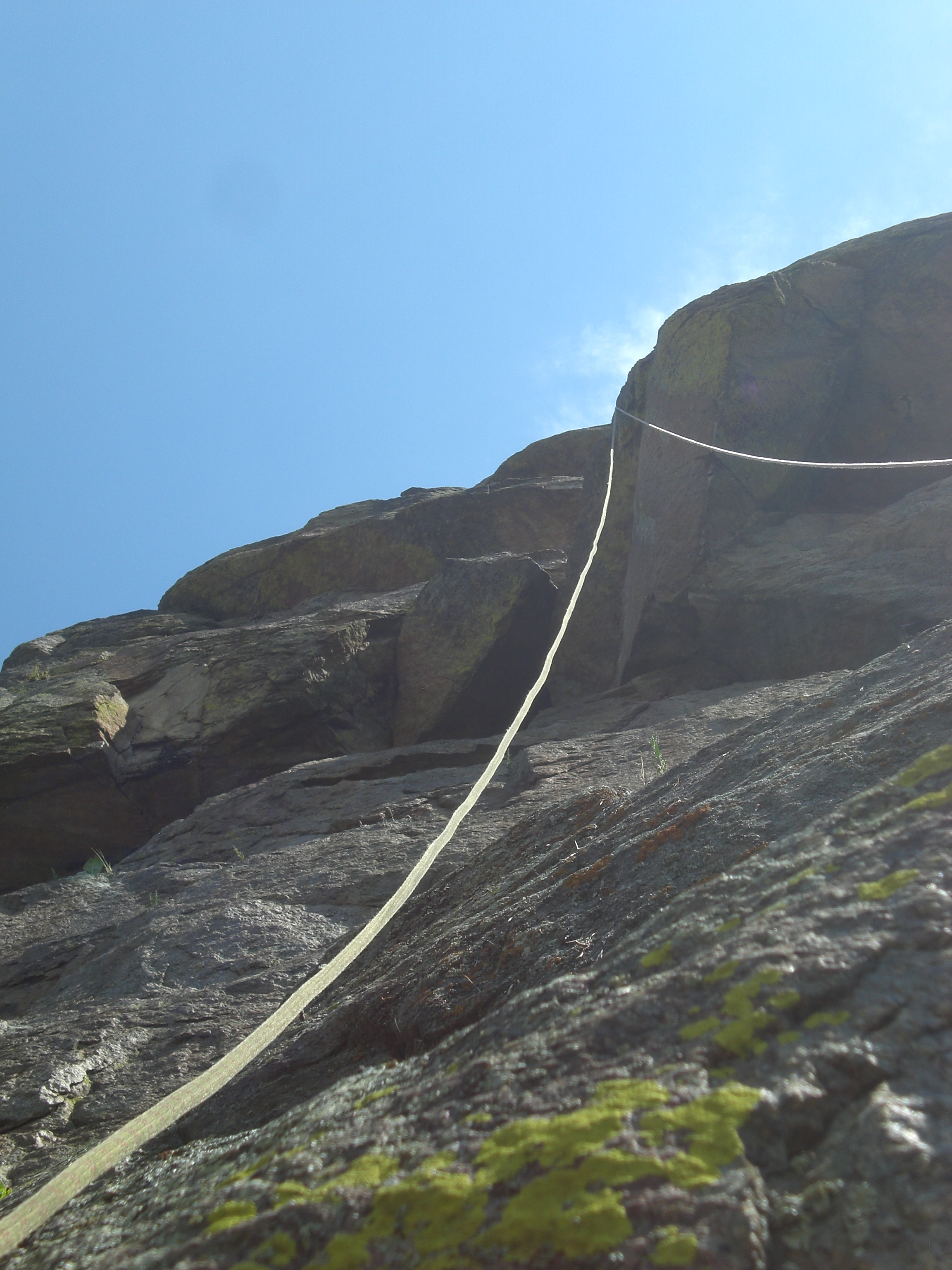
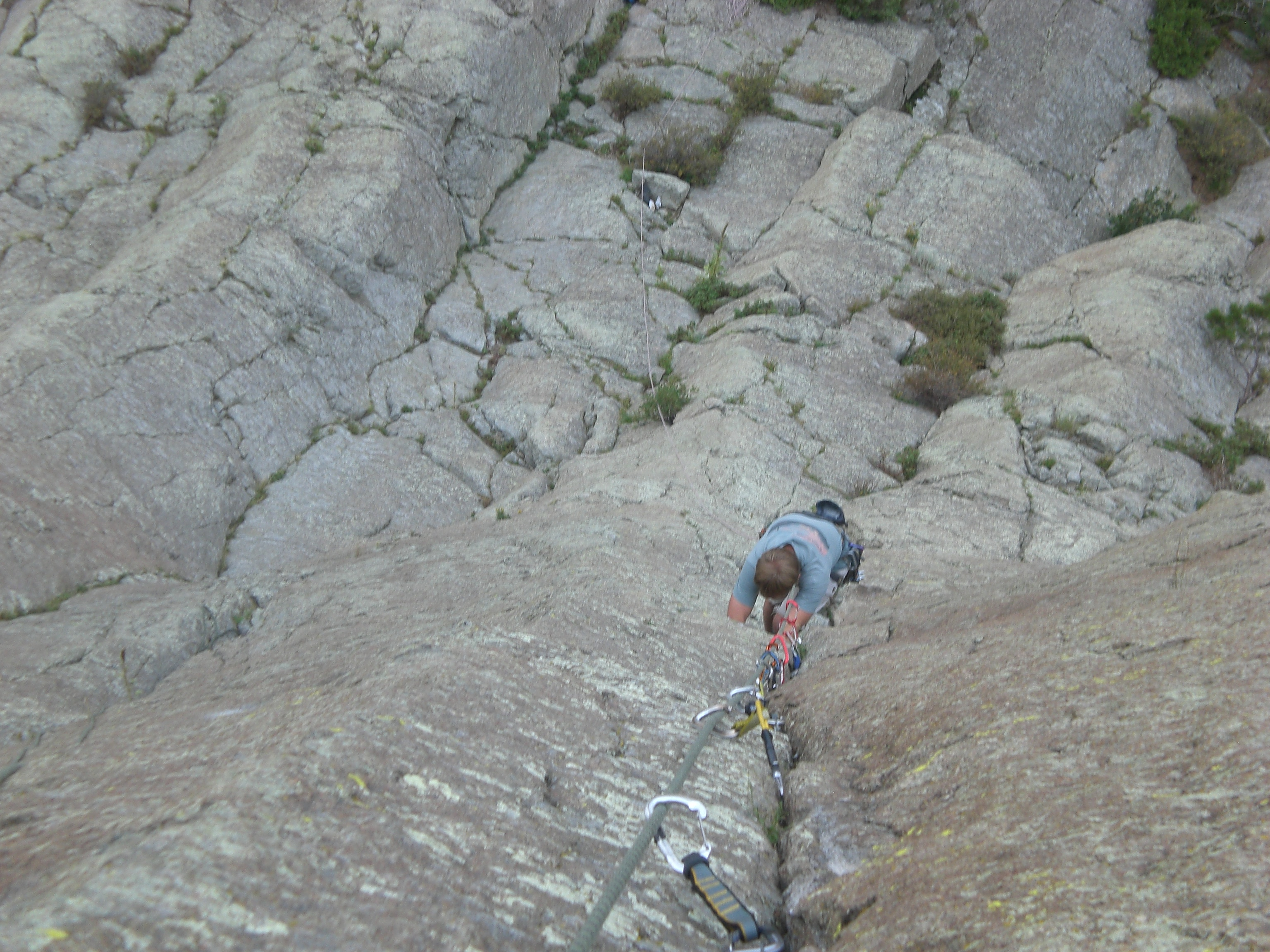
Looking up at the roofs on Dedicated to the Game on the SW shoulder of Devils Tower
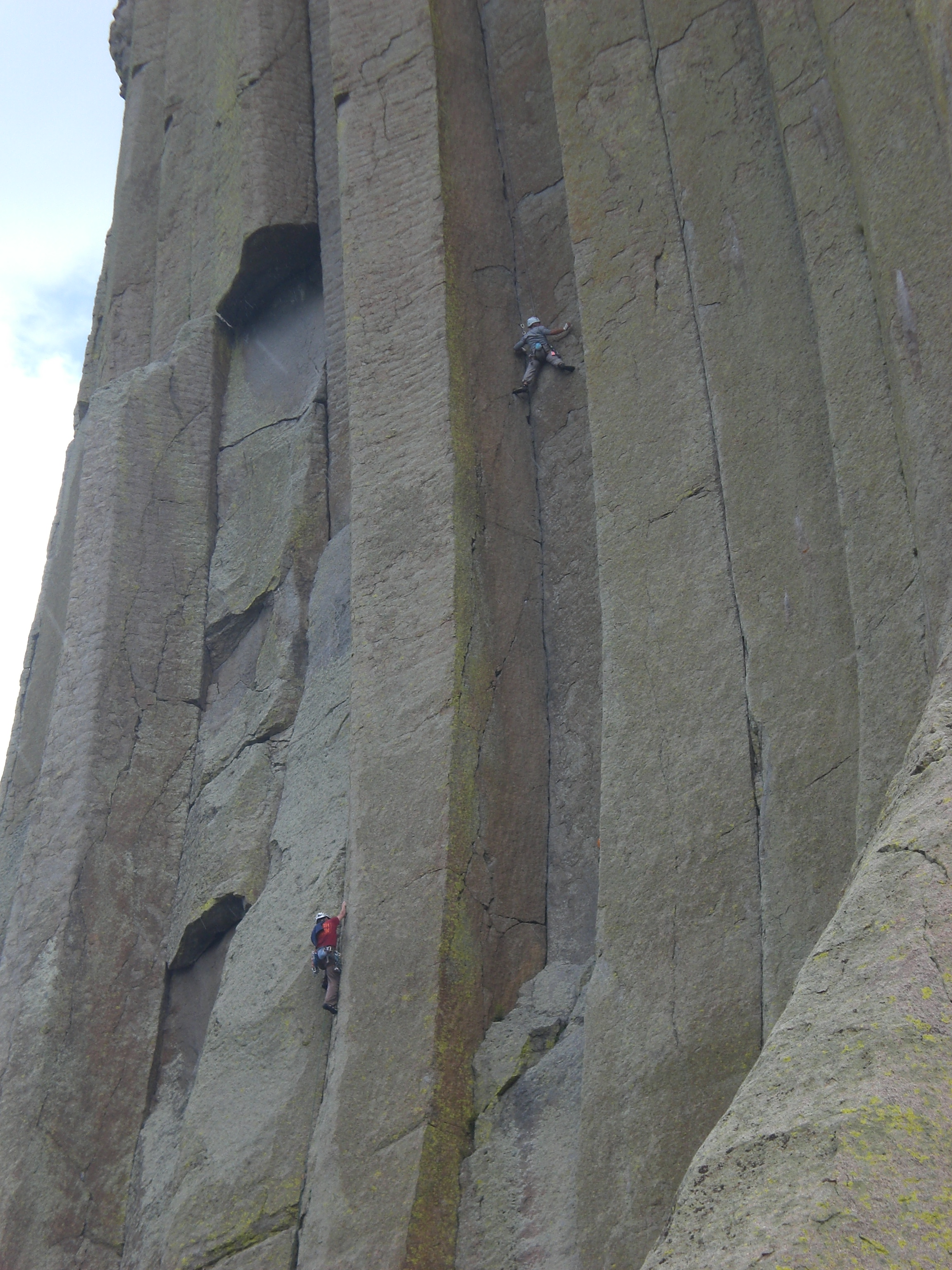
For sport climbers and boulderers, there are worse places to be. Still, the magma-forged stone is the main attraction.
Functional Geology
The Hills have been rainy. In a place where it is difficult to climb well, we can usually count on the weather to help us. We are displeased. The bad weather has me thinking about the other impediments to climbing hard in the Hills. The weather really is the only one of those factors which is just a spoiler. The rest are…well, difficulties. Take the rock; our problem there is an embarrassment of riches.
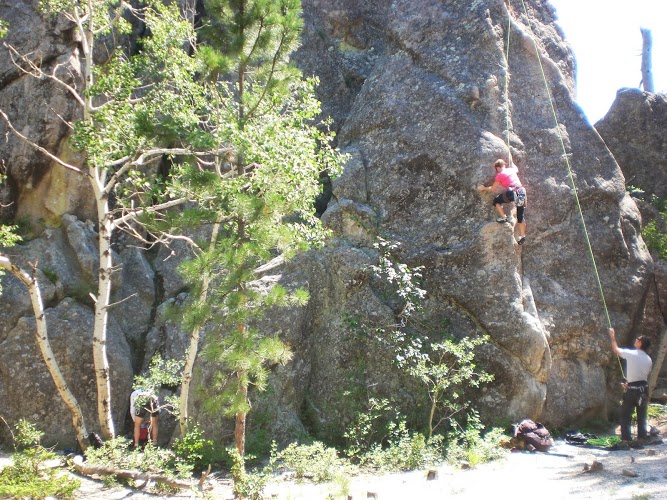
We have so many different types of rock that it is hard to stay focused.
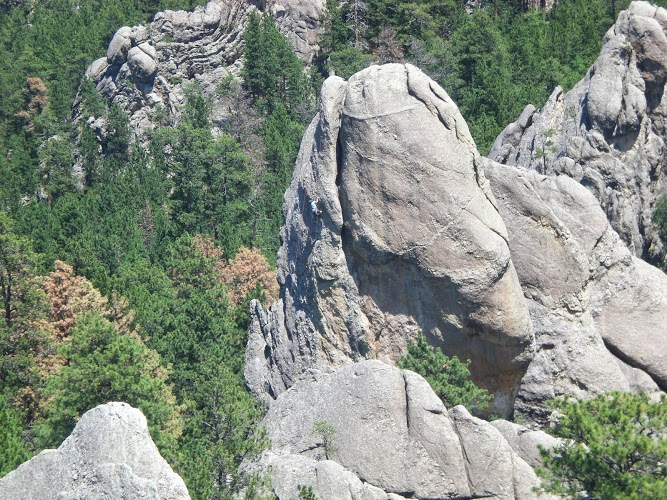
In the Needles, there is a coarse-grained variety of pegmatite. Pegmatite is a kind of granite with giant crystals mixed in. The crystals are quartz, feldspar, and other, exotic minerals some of which, I am told, are quite valuable. I don’t care; to me, they’re all holds – sharp, glassy, oddly-sloped holds. You can’t lever or pull out on the crystals too much, so the program is “feet low and move slow”. Stepping up on faith alone is a bad idea.
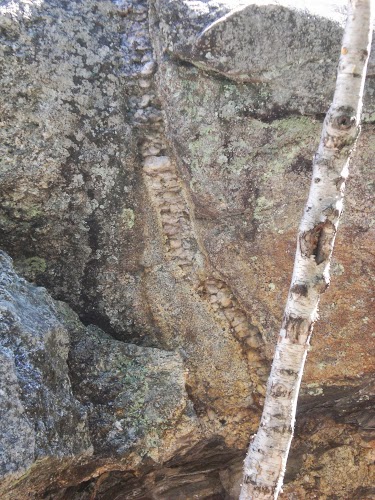
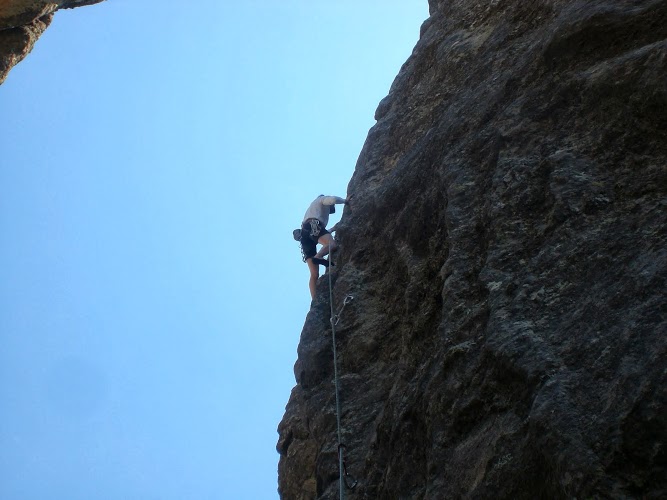
Mt. Rushmore is a pegmatite area too, but the rock is finer-grained with bands of crystals like wrinkles in the surface of the granite domes. Plus it has schist. There isn’t a lot of the metamorphic mineral around, but it makes up the steep portion of some of the steeper climbs. The inclusion dikes along with the schist favor a technique emphasizing balance, counter-tension and spurts of faith-based movement.
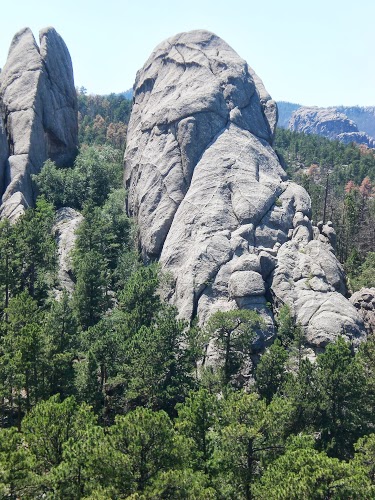
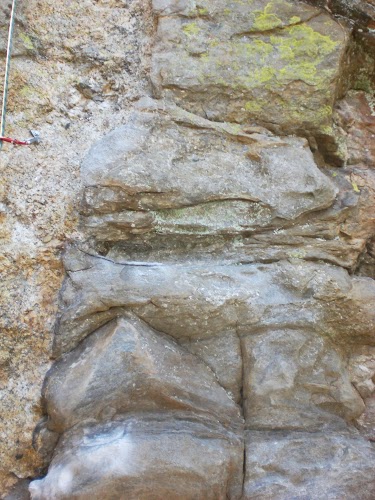
The Tower is phonolite porphyry. It is not basalt. One more time: The Tower is not basalt. Basalt is much smoother, with sharper edges where it is fractured. Much of the climbing at the Tower is friction/crack climbing in the classic sense – jams, not locks, with feet smeared on divots and small rugosities.
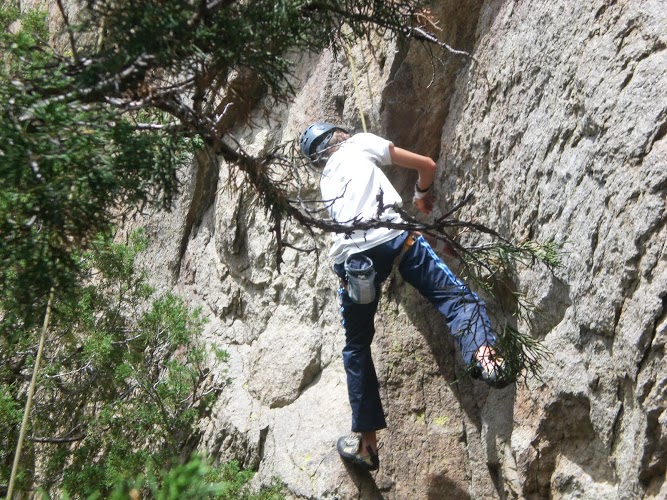
And there is more, so much more. I haven’t even got to the sedimentary rocks yet.
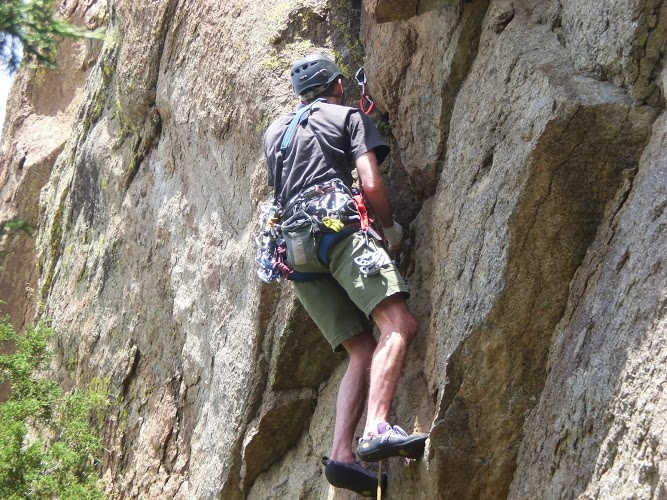
Late Starts
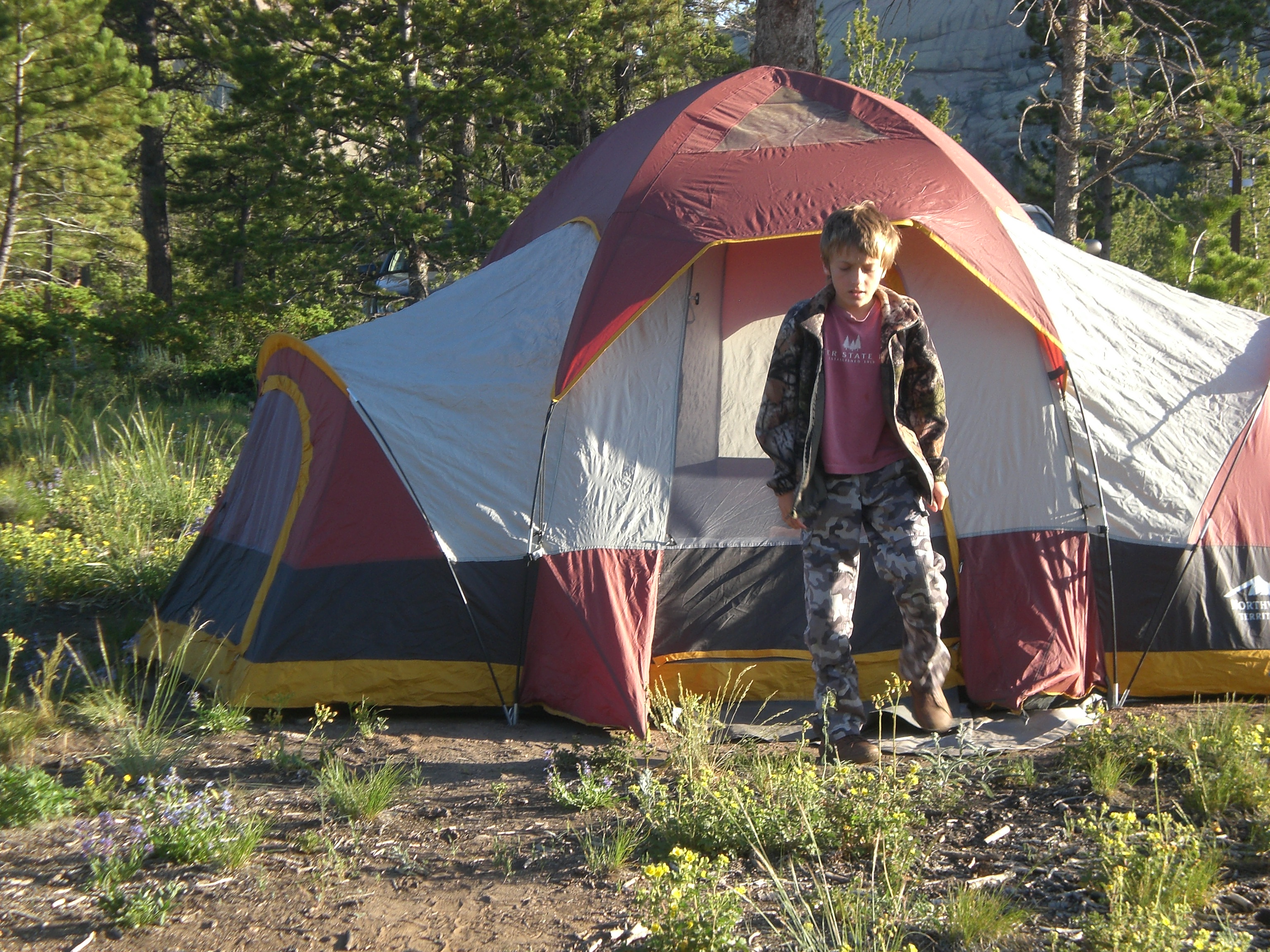
There are morning people, and then there’s this…
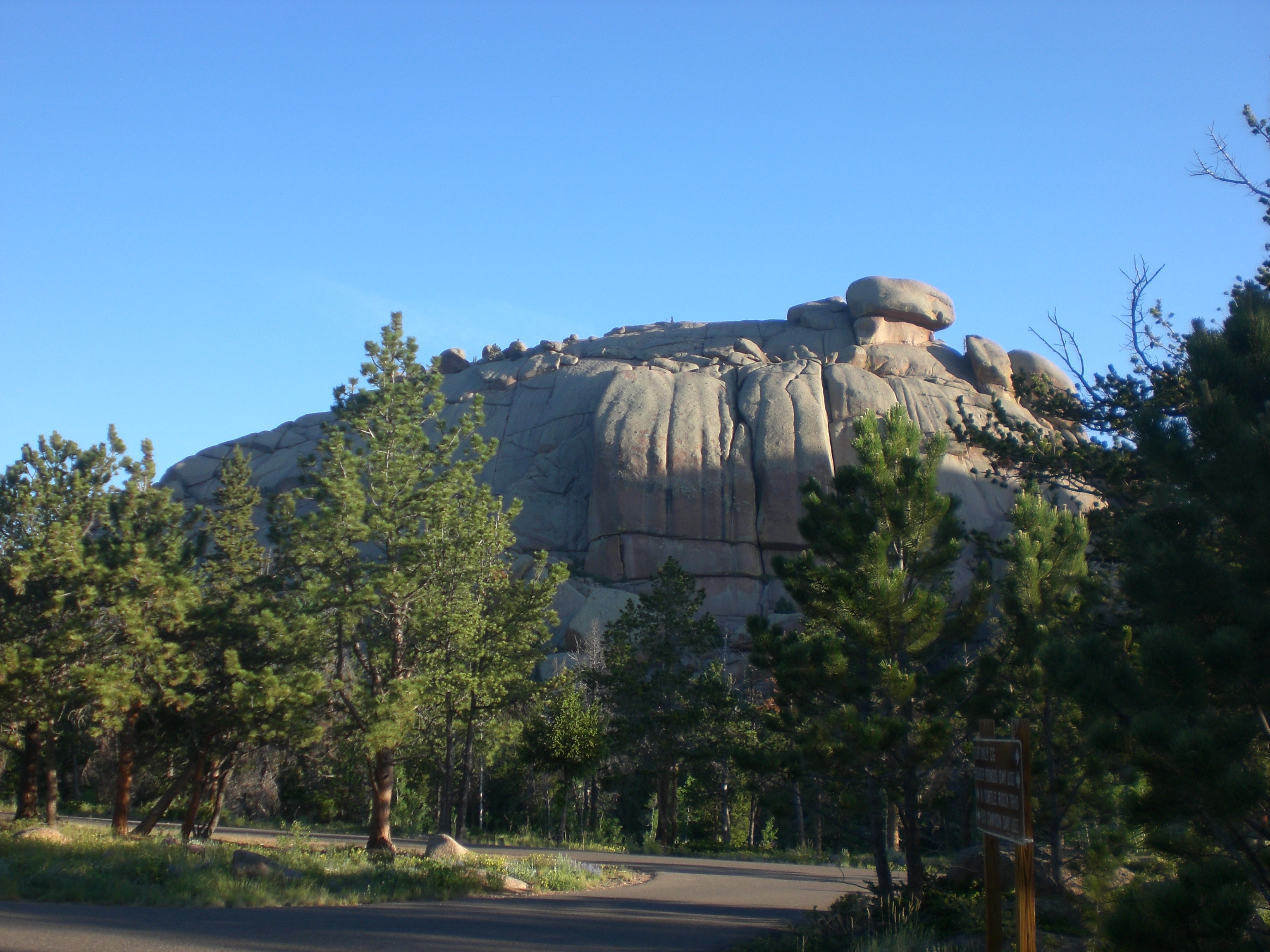
Can’t beat the view from the campground.
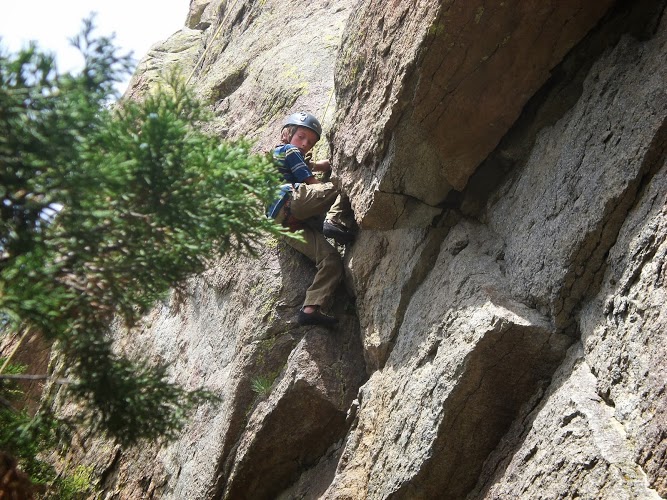
It has plenty of moderates, especially now that the kids’ idea of “moderate” is evolving. They are at the magic point in their climbing careers where they’ve begun to trust the rope and their knots and where they are habituated to exposure. They can focus on the movement alone, and a whole new aspect of the sport is opening up for them.
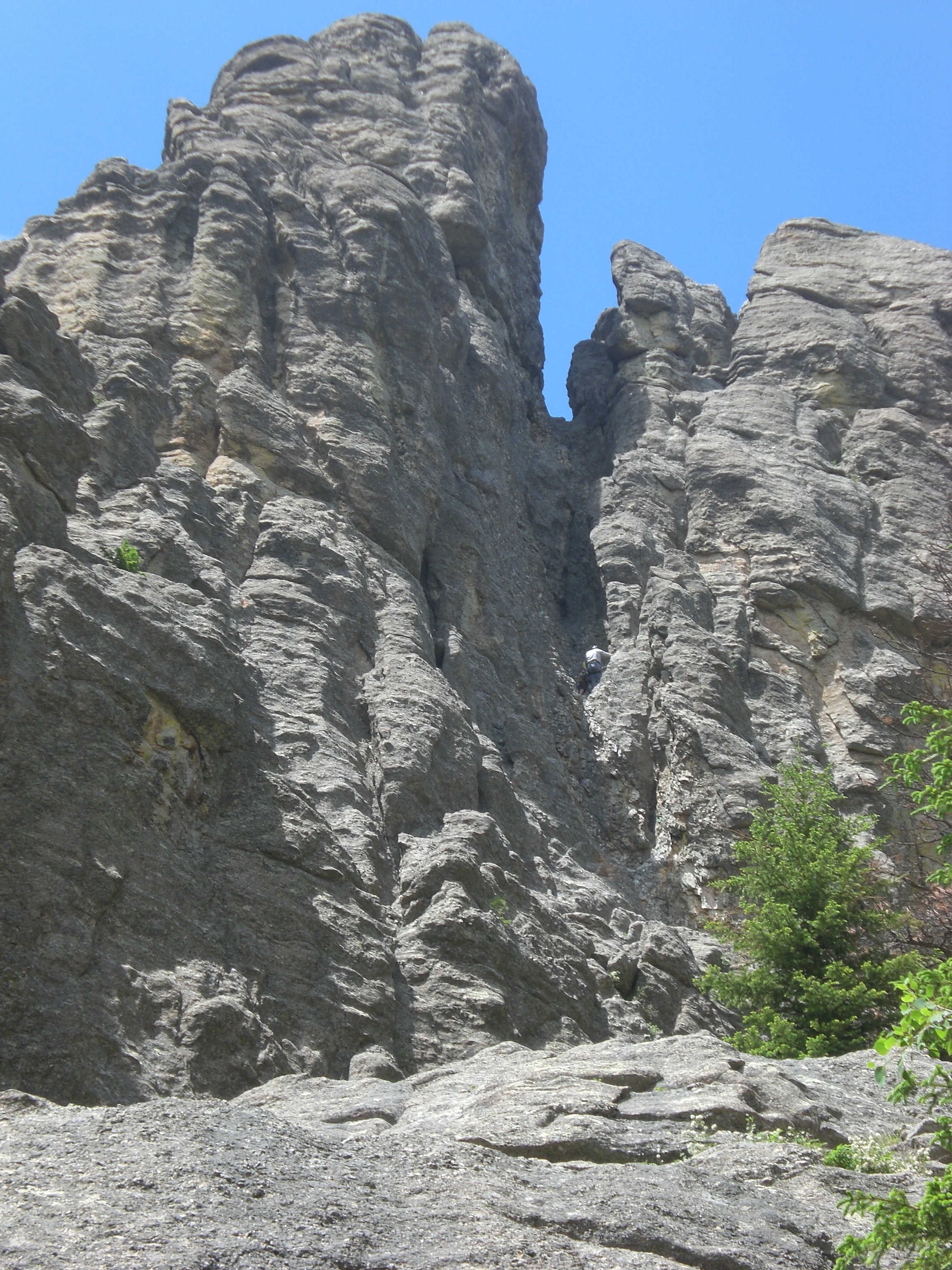
Spire Two.
I’m not the only one starting slow this year. Back in the Needles, the gumby routes are swarming. But that is always the case, as one man’s hero is another man’s gumby right down the line – another beauty of the sport.
Just Off Highway 212..
..in Southwest Montana, hard by the Crow agency, stands a prominent hill with a monument marking a mass grave which holds the remains of members of the 7th Cavalry. On a sunny day in Spring, I stood on that hill and saw what happened to Custer and his command in the Battle of the Little Bighorn.
They lost it. They lost it long before the last of them died on the hill, though. The evidence, especially the fact that the last of the command did die on the hill, is manifest on the surrounding landscape. Markers dot the ridge and valley leading to the site of the ‘last stand’ indicating the spots where men died along the way, died while standing separate from the command, or fell trying to flee the hill. Nobody could really know what transpired that day, but anyone could know, just by standing there, that the hill was a terrible place to be.
The view from the hill was panoramic. All the features of the terrain, including the perpendicular ridges which form the sides of surrounding gullies, were exposed. The commander of a military unit would naturally seek such a vantage point, due to both his training and a natural instinct to be able to see an oncoming threat. But even at the beginning of his maneuver to the hill, Custer had ceased to be the commander of a military unit trying to win a battle.
As his trained instinct to retreat and regroup was misplaced, so was his natural instinct to keep his enemy in view, for from an opponent’s perspective, anyone standing on the hill became a perfect target outlined against the sky. Any move to escape the hill could not be concealed. From the vantage point of those defending the command, targets seen from the hill had to be picked out from the background of grass and dirt on the slopes, if those targets were not completely hidden behind the perpendicular ridges. Custer’s maneuver to the hill was a mistake, but it was not the first such mistake in human history, nor the last. It was one of a surprisingly broad and common category of mistakes, which afflict the capable as easily as the bumblers among us.
Decades later, the pilots of Air France flight 447 experienced something very similar to Custer’s retreat up the hill. Just as the pilots were maneuvering through a series of thunderstorms, the airspeed sensors on the outside of the airliner froze over. The plane’s computer then shut off the auto pilot to avoid the automated system’s reacting to invalid data from the malfunctioning sensors. Now in control of the plane and unable to make sense of the numbers anymore than the computer could, the acting pilot reverted to instinct and training. His instinct was to get out of the situation. The first bit of training which came to mind for escaping a bad situation was one which told him to add power and pull the nose of the plane up. He even tried to confirm his instinct with his fellow pilot, at one point saying, “I’m in TOGA, eh?” – an acronym for ‘Take Off, Go Around’, a maneuver used to recover from an aborted landing, for example, by adding power and climbing. All the while, the stall warning was screaming, indicating a problem which demanded everything but elevating the nose of the plane and climbing.
I have great sympathy for the pilot of flight 447, because I have done what he did, but I was luckier. I was on one of my first long rock climbs with an equally inexperienced partner. We set out on a warm, clear day amid the long days of Northwest Summer on a route well within our capabilities. We knew we could climb it easily in a day, so we left without jackets, headlamps and extra food. However, the route was longer and more convoluted than we had anticipated. By the time we peeped over the summit for a view across the range to the sea, we had to shade our eyes from the lowering sun. We knew it was late, but had no idea how late, since we had left our watches with the headlamps. As we descended, which we had planned to do mostly by climbing down, it got dark and we were forced to use the rope more and more often.
For those who are unfamiliar with climbing techniques, descending by use of the rope involves doubling the line through a loop of nylon webbing anchored to the rock, with or without a metal ring to hold the rope off of the nylon, then using a friction device attached to one’s seat-harness to slide down the two sides of the doubled rope at once. Typically, the descending climber holds one hand above the friction device for balance while the other hand is on the rope below the device, controlling the rate descent by increasing or decreasing tension on the free end of the rope. Before coming to the end of the rope, the descending climber must find a new spot to anchor another loop of nylon. The second climber then comes down the rope to the new anchor, the team pulls the rope through the original anchor, doubles the line through the new anchor and repeats the process.
In the growing dark, new anchor opportunities became harder and harder to find. We had to get down, because we planned to get down, because we felt an instinctive aversion to the prospect of being stuck on the face, and because my partner had to be at work the following morning. As I approached a wide ledge, I could not find an anchor. I swung back and forth across the face, letting a little more rope through my friction device on each pass to allow a wider and wider arc. Now past the ledge and increasingly desperate for an anchor point, I pushed back to the left one more time and felt the ends of the rope slip past my lower hand. My upper hand reflexively locked onto the rope above the friction device as the ends pulled free of the device. Luckily, my grip on the rope with the upper hand held and kept me from falling several hundred feet down the face.
Instantly, I forgot about the prospect of not finding an anchor, my partner’s missed work day, and the dreariness of being stuck out for the night. Climbing hand over hand back up the rope to the ledge, I was re-oriented to the situation. We were not racing to finish a successful climb or out of options because I couldn’t find an anchor by starlight. We were trying to descend a complex route in the dark, and had hit an endpoint. We would not die of cold or thirst or starvation that night. My partner joined me on the ledge. We secured the rope ends to a bush and then curled around the stem of the small plant as if it could provide some warmth and shelter. We shivered the night away and by morning’s light, found a large flake of rock ten feet right of our little bush to tie off as an anchor. My partner lost a vacation day, but kept his job.
As I climbed more, I spent fewer unprepared nights out, partially because I learned the hard way, but partially because I learned the checklists that all climbers employ. There is a packing checklist, a checklist for use prior to climbing onward from an anchor, a checklist for use prior to descending the rope, a checklist to run before pulling the rope through a top anchor, etc. Checklists have saved me on many occaisions.
A checklist almost saved flight 447, though they did not know they were using one. When the senior officer arrived in the cockpit, the pilot and co-pilot were racking their brains trying to sort out what had happened, even as they acted to achieve what they knew that they must achieve – making the plane climb instead of descend. When they asked the senior officer what they should do, he replied, “I don’t know.” In effect, he performed the most vital step in any checklist – he stopped himself and began to pay attention to what was going on right then, in his own head as well as in the airplane. Unfortunately, by the time he’d helped his fellow officers clarify their mental states and reconcile their actions with the events at hand, the airplane was one and a half seconds from the ocean. Even Custer might have been saved if he’d had a checklist, despite the more complicated nature of his situation.Custer faced a special challenge because his opponents had a keen understanding of the psychological elements which make a checklist so useful.
One element in particular is the key benefit of checklists and the one which we are in constant danger of forgetting. Even in the definitive popular treatment of checklists, Atul Gawande’s The Checklist Manifesto, the key element gets only superficial treatment. He touches on it in his description of the engine failure checklist for single engine planes.
It is slimmed down to six key steps not to miss for restarting the engine, steps like making sure the fuel shutoff valve is in the OPEN position and putting the backup feul pump switch ON. But step one on the list is the most fascinating. It is simply: FLY THE AIRPLANE. Because pilots sometimes become so desperate trying to restart their engine, so crushed by the cognitive overload of thinking through what could have gone wrong, they forget this most basic task. FLY THE AIRPLANE.
The admonition in step one of his example could be generalized to the statement: Remain oriented to your situation. Gawande can’t be blamed for focusing on the other utility of checklists – their ability to help us prioritize the necessary steps in a complex task and thus break the task into manageable bites. After all, he is primarily concerned with the application of checklists to prevent errors in the relatively controlled, but complex, environment of the operating room. However, his focus risks neglecting the source of our potential disorientation, a mental flaw which Custer’s antagonists at the Little Bighorn understood as vital, and which the course of the battle illustrated so well.
As opposed to Custer and his command, the warriors camped along the river were not soldiers. They had experience with war, but operated as a group of individuals rather than a formal unit. They had leaders, but no commanders. Their only training in the cooperative use of force came from hunting buffalo. Yet they understood their position. Management of the warriors’ psychological state was the leaders’ primary task. The leaders had to direct their warriors by example and exhortation. And from the buffalo hunts, they knew that if they could control their targets’ psychological state as well as their own, success was guaranteed. The assembled tribes had a method, but not a plan and part of their method was aimed at breaking all plans set against them.
When Custer moved against the encampment on the Little Bighorn, he had a plan. He planned to trap the band of wayward natives between the two elements of his command, preventing the Indians’ escape or forcing them to surrender and return to the reservation. His plan was one for a pursuing force, an aggressive force. It was a plan for a military unit, utilizing a military unit’s capacity for coordinated attack and maneuver. For a moment, it looked like the plan might work. The Indians were surprised by the force which crossed the river to attack from the South under the command of Reno. But the Indians had a larger contingent of warriors than expected. In the face of determined resistance, the Southern attack failed and the troopers fell back in disarray.
When the initial thrust of Reno’s force stalled, a number of the warriors still mobilizing in the camp stopped to perform ceremonial rites. Crazy Horse in particular took so long in ritual preparations for battle that the younger men following him became impatient. Perhaps the drama was part of his plan too, orchestrated to focus and rouse his entourage. At any rate, Crazy Horse’s rituals were vital for his own role in the fight. The preparations served as Crazy Horse’s checklist, to protect him from the very thing he would soon attempt to do to his enemies – turn them from men into buffalo. When he emerged from his lodge, he was ready to fight his way. During the subsequent action, he would ride back and forth in front of the enemy lines blowing an eagle bone whistle, drawing fire. He would cut through a line of moving soldiers and lead his band of warriors in among the enemy forces. His actions would serve to prevent concerted action by his foes and force them to fall back on the familiar and the comfortable – predictable instinct and the rote lessons of training.
Custer’s attack never really got started. Confronted by a large force rallied to face him, he seems to have had difficulty orienting himself to the new situation. He doesn’t even seem to have had that critical moment which flight 447’s senior officer provided when he said, “I don’t know.” Instead, he retreated toward the hill. In a subsequent interview, Hollow Horn Bear, a warrior who witnessed the battle gave this description:
Interviewer: After the soldiers got to the ridge, did they keep together in one body, or did some of them make a stand to give the others a chance to select a position?
Hollow Horn Bear: Soldiers kept together all during the fight. The soldiers would shift positions, but no stand was being made to do so.
Another witness, a warrior named Two Moons, gave a more incisive analysis:
…Custer was a brave man. I give him credit for attacking a people that vastly out numbered his – but something was the matter with his men. They did not run nor seek shelter, but stayed right out in the open where it was easy to shoot them down. Any ordinary bunch of men would have dropped into a watercourse, or a draw, where they could have fought for a long time. They acted and shot their guns like something was wrong with them. They surely had too much of that whiskey. That bunch of men should have fought for a long time, but it did not take long to kill them all.
Most telling was the view from the perspective of the encampment, as witnessed by Julia Face:
Interviewer: Did the Indians reach the high ridge ahead of Custer, and did he at any time charge them and drive them off?
Julia Face: None of the warriors reached the high ridge ahead of Custer. The Indians acted just like they were driving buffalo to a good place where they could be easily slaughtered. Custer never charged.
Maybe Custer had no choices that day. But maybe the one critical step in any checklist, the pause to reorient, would have helped his command acquit itself better even if it could not have saved him and his men. Because that one step is the only thing that can save the human part of the mind from itself. Without the jolting stop at the start of a checklist, the part of us that thinks will dwell on its plans and motivations rather than wading into the delays and discomforts immediately before it. A pilot’s mind, focused on the goal of gaining altitude, will tune out the stall warning since it is not helping him achieve his desire. A climber’s mind will forget about the end of the rope since it is not helping him find the next anchor. Then, with the human part of the mind occupied with its own concerns, the buffalo mind is left to act in its place. According to its nature, the buffalo mind just does something. It reacts to the anxiety assailing it from within and the simple cues coming from the outside with a series of programmed behaviors which ignore the future and the immediate past. It functions as a behavioral “Hail Mary” when the thinking part of the mind has checked out. It may freeze in the face of an immanent threat and not fly the plane. It may run over the edge of a cliff to escape. Even without encouragement, the buffalo mind, with its unselected, rote behaviors, will often lead us to a good place where we can easily be slaughtered.
Notes: Interviews are obtained from the books, Indian Views of the Custer Fight by Richard G. Hardorff, Lakota Noon by Gregory F. Michno, and Lakota Recollections of the Custer Fight by Richard G. Hardorff. Further information is available at the Custer Battlefield in South Central Montana via our wonderful, woefully underfunded National Park Service
Oughto Elimination
 “I ought to be able to climb this,” I thought.
My partner agreed. “You got it, man,” he called from the belay.
Of course, the problem was that I didn’t have it. If the helpful blob of ice for my left foot had been there instead of the mushy snow that was, I would have had it. If the sun had not already melted loose the key chunk of ice above my head, I would have had it. If there were a foot hold above the little bump of granite which supported one point of my right crampon, I would have had it.
I pulled sideways on the quarter-inch, diagonal edge which provided the only purchase for the picks of my ice tools on the overhang which I was trying to exit. The ice having proven useless, I tried to clear it from the rock and then ratcheted my way up, fishing for an edge to latch onto with my left tool. Before I found one, my right foot popped off the little bump. My knee took up the counter-pressure before the pick of my right tool popped off the rock.
Pleasantly surprised to find myself still attached to the route, I lowered gently back onto the little bump. Ambition drove me up one more time, with predictable results.
“Not gonna happen today,” I said, “I’m coming down.”
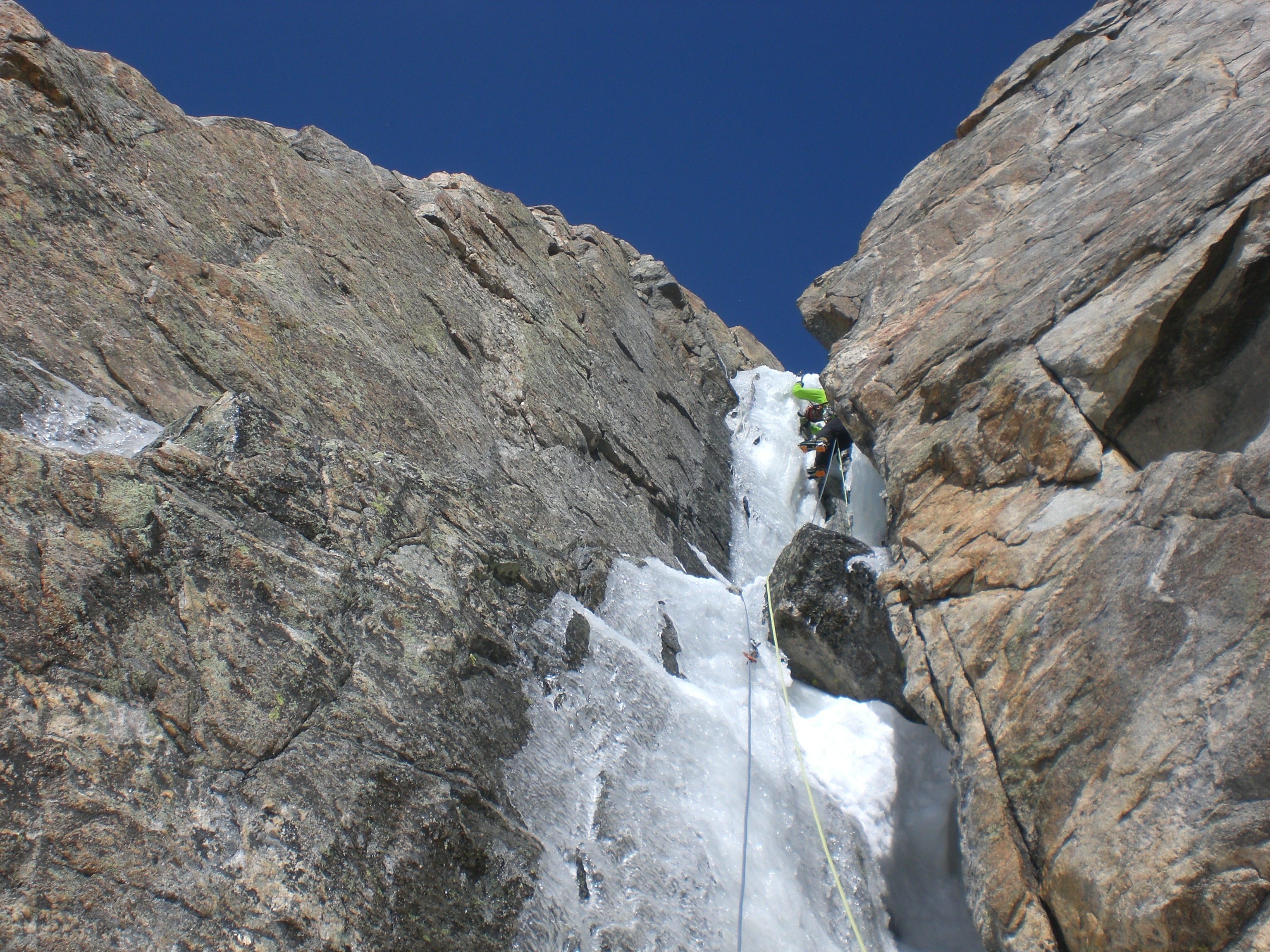
That attempt was my third on the route. We rappelled the three pitches below and descended avalanche debris to the floor of the cirque. As we coiled the ropes, a few tons of wet snow rumbled down a ledge system beside our abandoned line of ascent. We walked back to camp in silence, crawled into the tent and took our boots off.
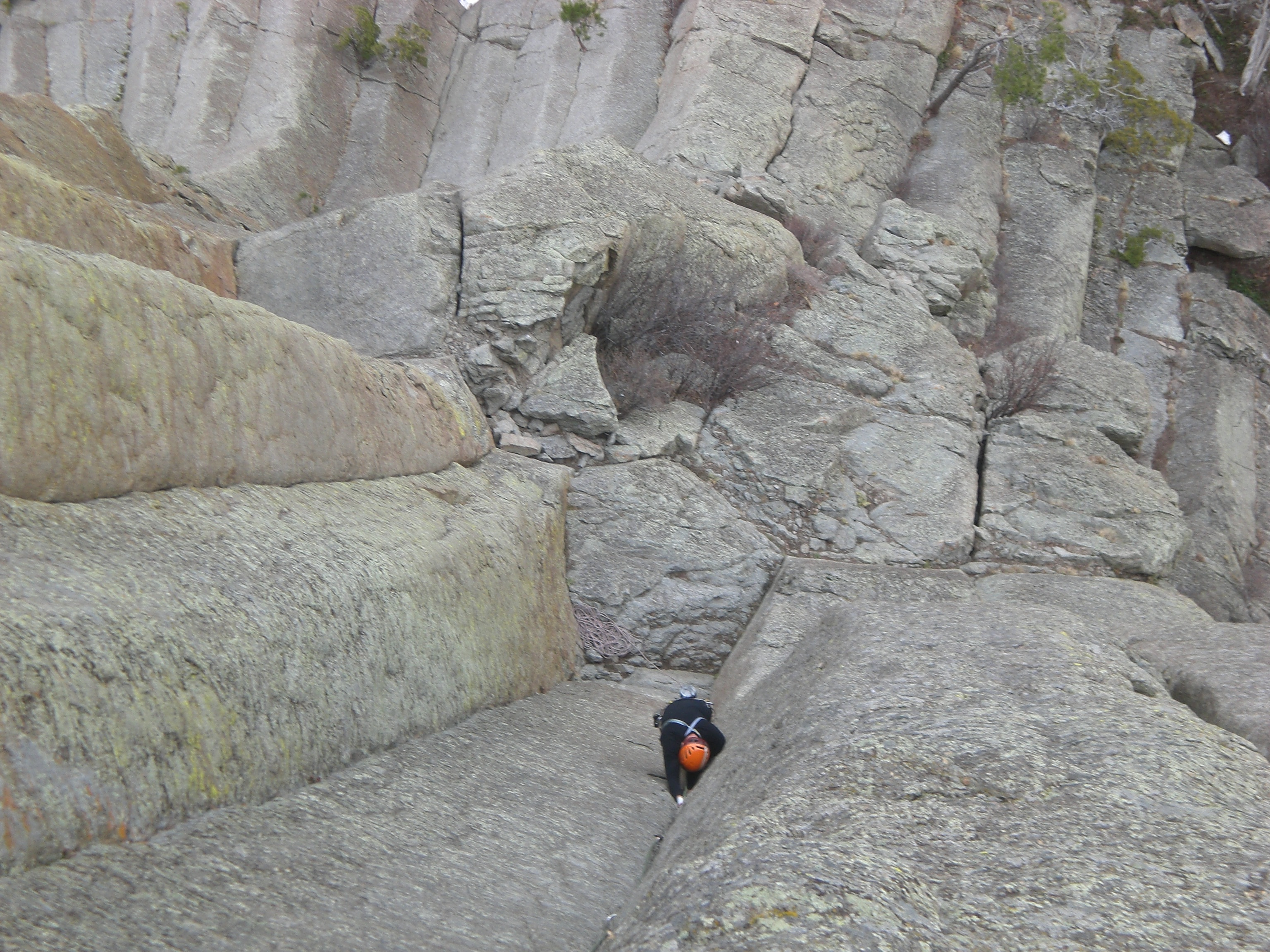
“Well,” I offered, “we could always go climb at the Tower.”
Few who climb remember the moment they started. The best most of us can do is to recall a time when we realized that we were climbers, but we were well into it by then. It sprouted as an inspiration regardless of the seed. As we acted on the landscape though, it changed our notions of what we could do and what we wanted to do. Aspiration took over from inspiration.
For most of us, ambition came close behind. Everybody’s had a list or project take possession of them for a stretch. In the worst case, our projects frustrated us, wore us down and made us quit, even if we finished them. In the best case, by the time we achieved our ambitions (or at last abandoned them), they had changed us so that the climbs to which we devoted ourselves no longer seemed so hard or so desirable as the routes we had discovered along the way.
Two Winters ago, an old man began to frequent our local ice climbing crag. He was a person of some renown, with many first ascents to his name in the ranges of North America. But, he had never climbed the waterfalls in the South Fork Valley of the Shoshone. He was training for the Valley’s steep cascades with miles of rolling ice between them, by climbing at the little cave we had nicknamed “forty feet of fun”.
His equipment was antiquated, but he wielded it with an ingrained ability reflecting many years of focused movement over ice and snow. Still, he was slow and the length of his reach and the height of his steps betrayed the effects of 70 years of mountain travel on joints and tendons. He must have known what he was doing, so he must have known that his chances of getting up any of the climbs in the South Fork were extremely slim.
Finally, I had to ask, “What do you plan to climb in the Valley?”
“I don’t know,” he said, “I’m just going to go and see.”
A puzzled smirk spread over his face as he spoke, and I began to suspect. I’d felt the same expression of bemusement on my own face on occasion, after pulling a hard crux, usually on a “project”, when I couldn’t recall the moves involved or even how hard they felt. Then I would walk around for the rest of the day with the fading suspicion that maybe I didn’t climb it, maybe I fell off and even died, but had lost the capacity to notice in the process. Maybe the old guy felt that way all the time now; I didn’t ask about it or anything else, and I never found out how his trip turned out.
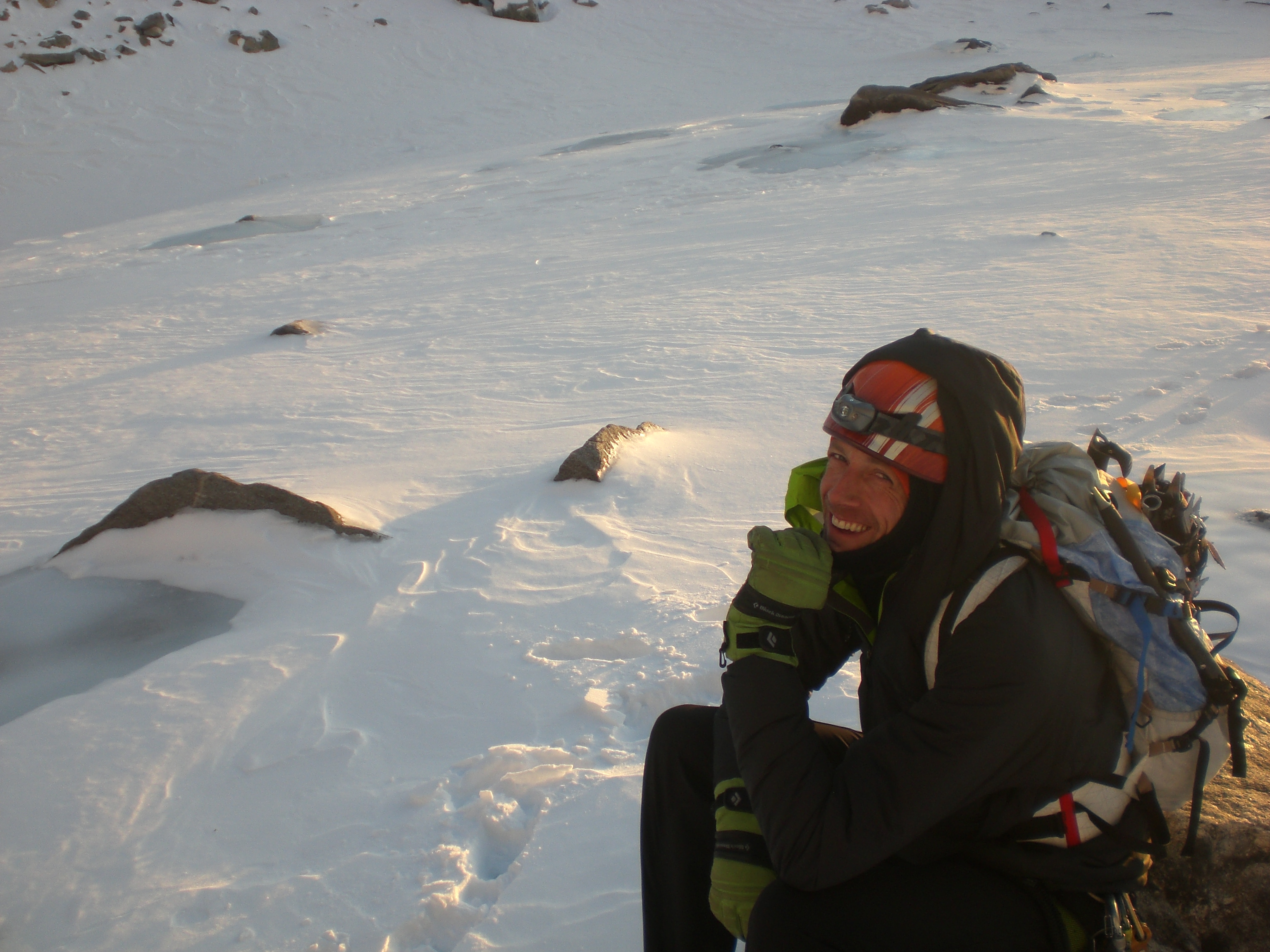
Back in the tent, both of us stared at the nylon floor for a few moments.
Then my partner lifted his head and replied, “You know, climbing at Devils Tower has been on my list for a long time.”
 Dedicated to the Game